

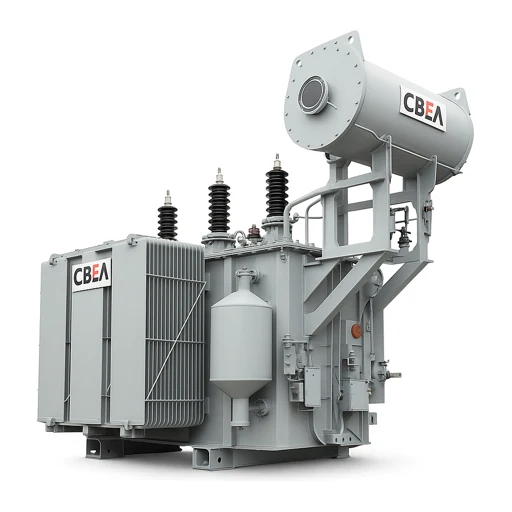
ترانسفورماتورهای قدرت
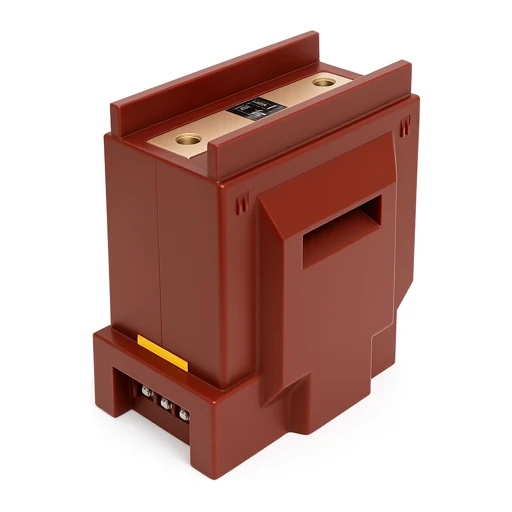
ترانس جریان (CT)
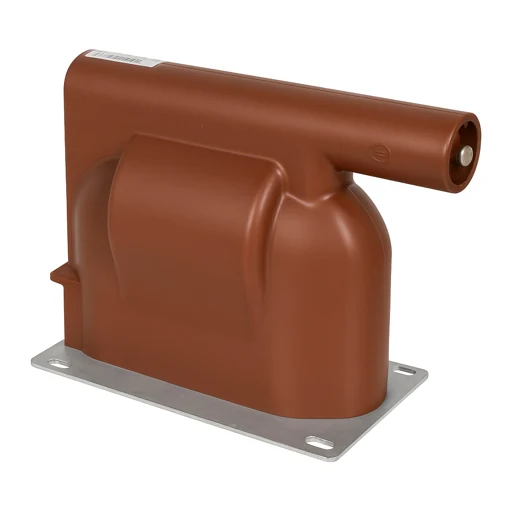
ترانس ولتاژ (VT)
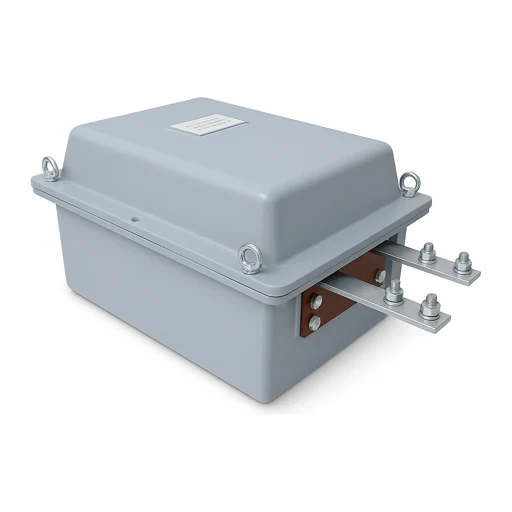
ترانسفورماتورهای ویژه
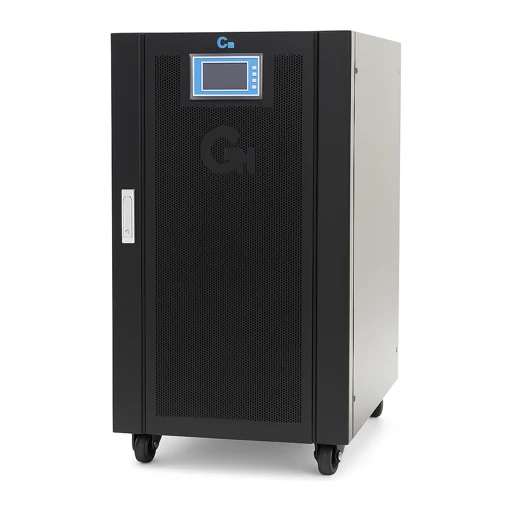
یو پی اس (UPS)
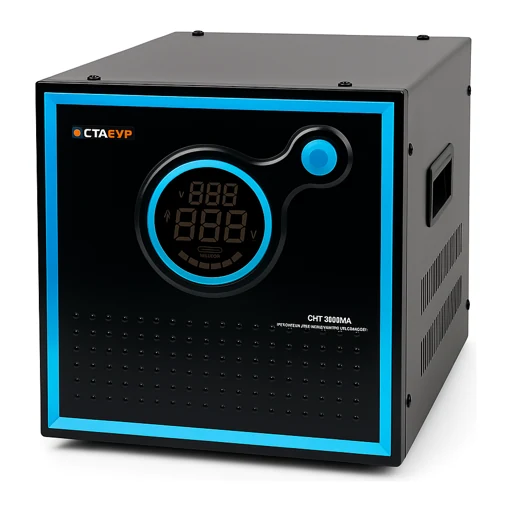
استابلایزر ولتاژ
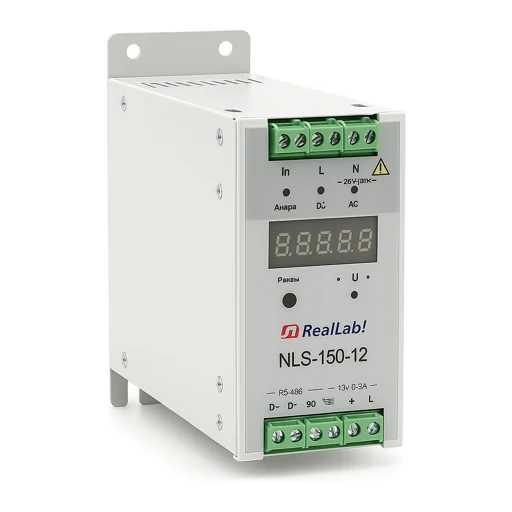
منبع تغذیه و ماژول
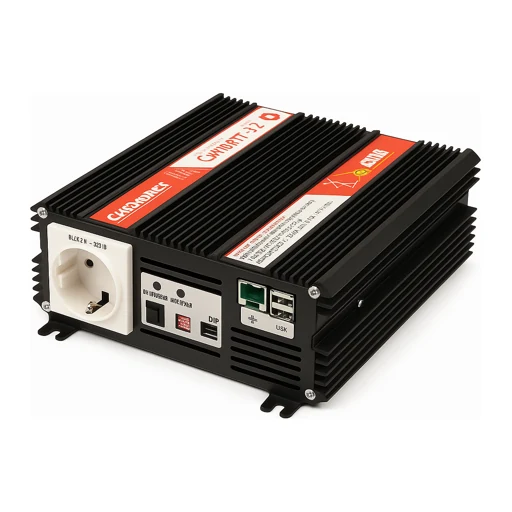
مبدل، اینورتر و یکسوساز
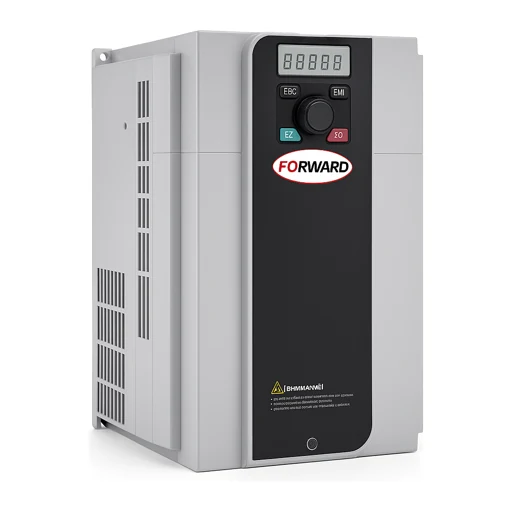
درایو فرکانس متغیر (VFD)
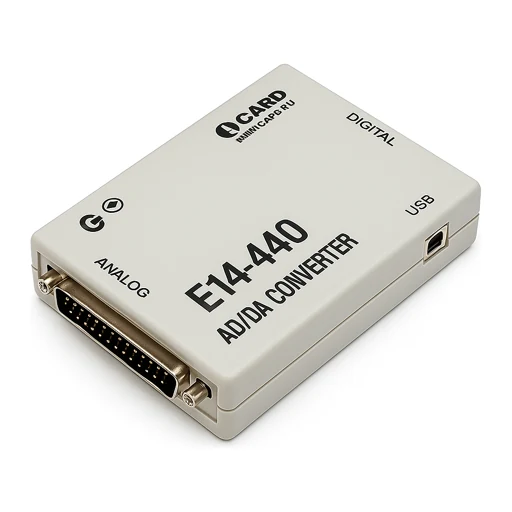
ترانسدیوسر اندازهگیری
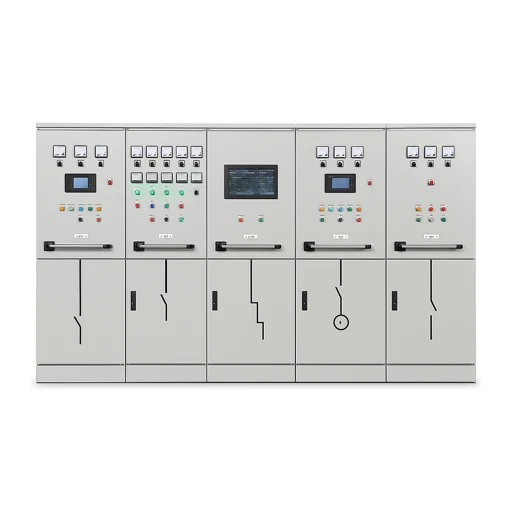
تابلوهای توزیع KRU و NKU
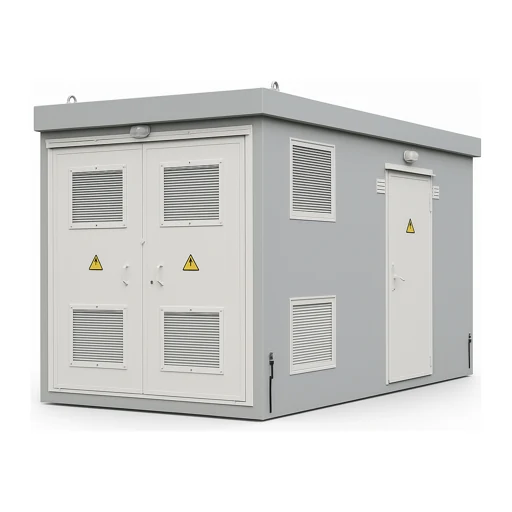
پستهای ترانسفورماتور پیشساخته (KTP)
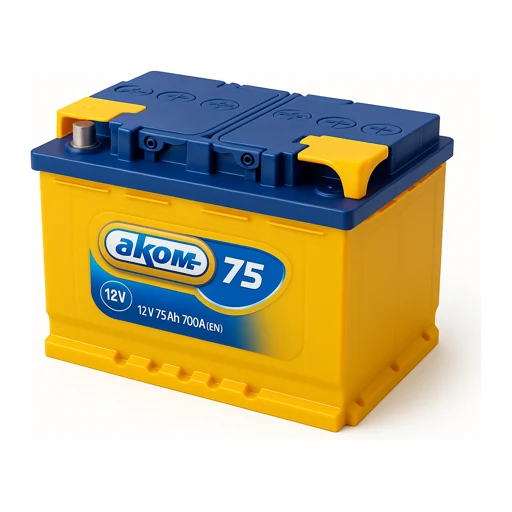
باتری استارت خودرو
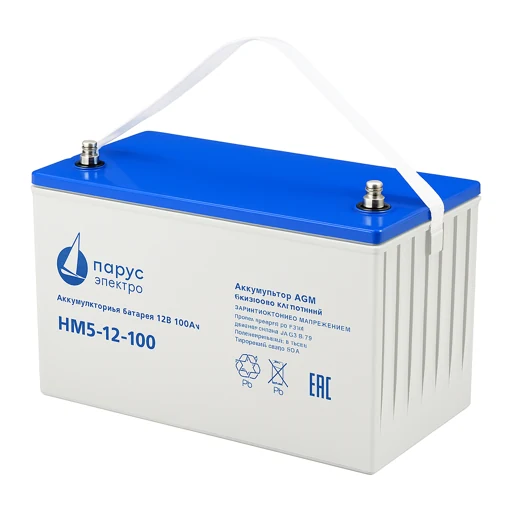
باتری ثابت و لیتیوم یونی
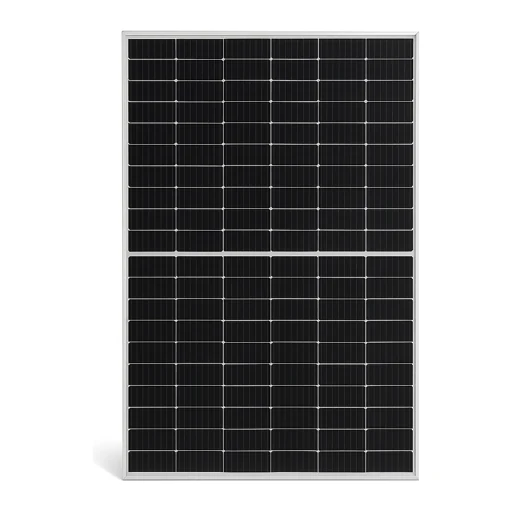
نیروگاه خورشیدی و پنل فتوولتاییک
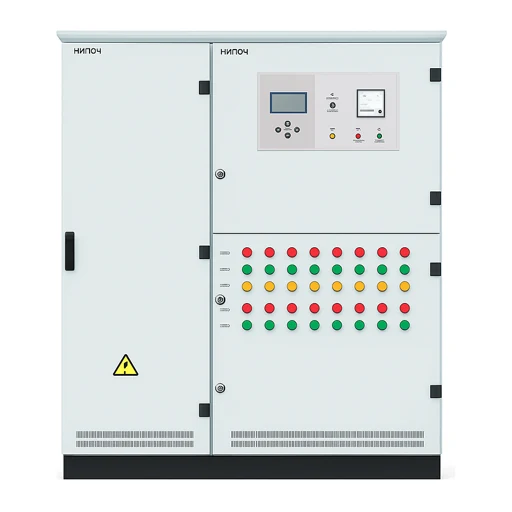
سیستمهای تأمین برق و DC اضطراری
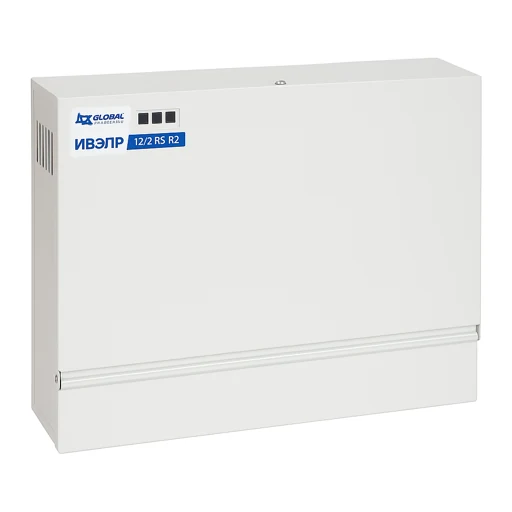
منبع تغذیه پشتیبان (BBP)
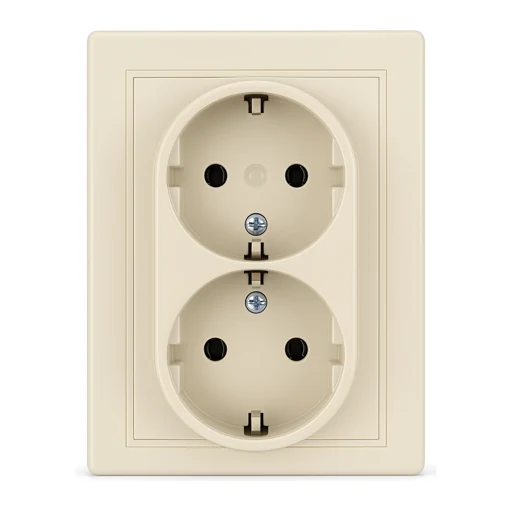
پریز و کلون قدرت
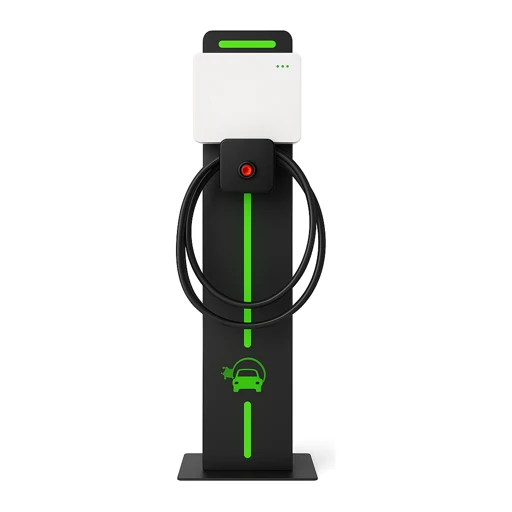
شارژر خودروی برقی
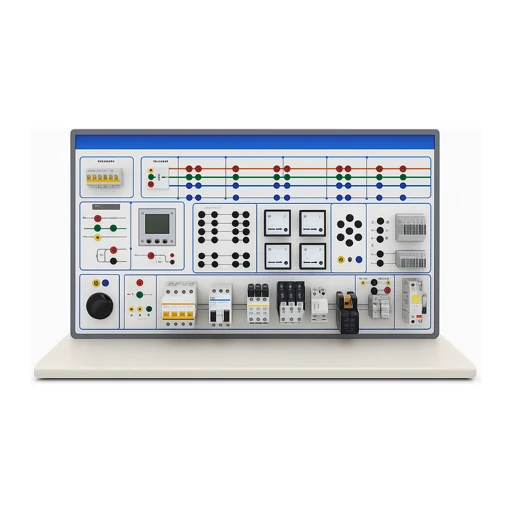
سایر
محصولات — تأمین و توزیع برق
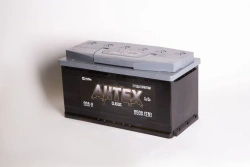
باتری اکتریکی سربی استارت 6CT-200N(NC)، LC(L)، LCY(LY)، VL، EFB
﷼ 630,000-2,016,000
AKTECH ENERGY TRADE LLC 🇷🇺
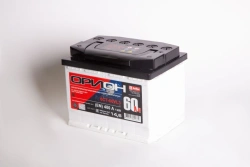
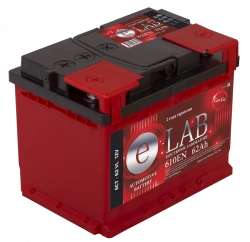
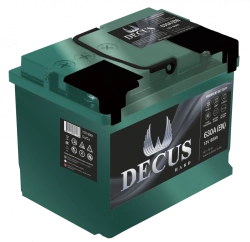
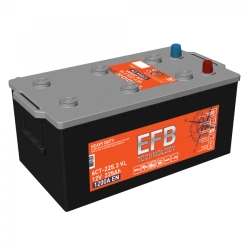
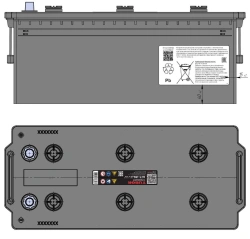
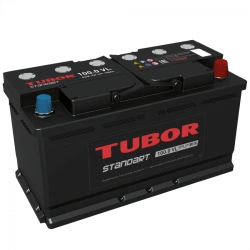
باتری اکسیژن استارت کننده سربی-اسیدی TUBOR EFB 6CT-225.3(4) VL (EN)
﷼ 1,512,000-4,032,000
TUBOR LLC 🇷🇺
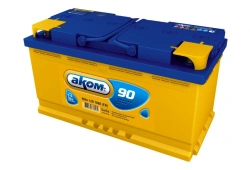
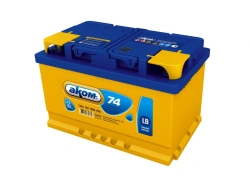
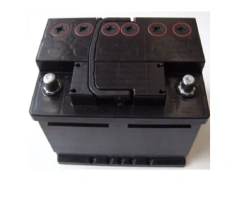
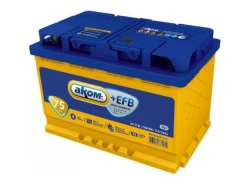
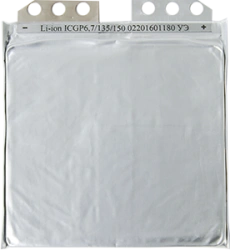
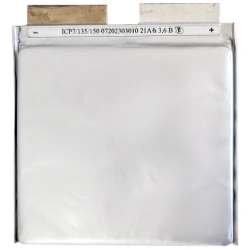

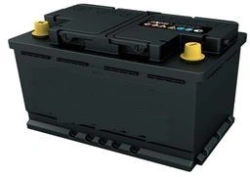
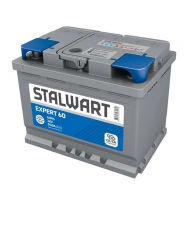
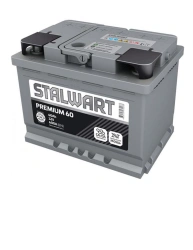

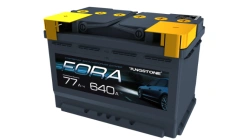
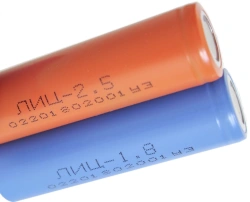
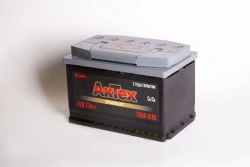
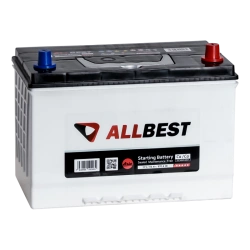
باتری سربی برای راه اندازی موتورهای پیستونی 6ST-110VL Asia 135D31R "ALLBEST"
﷼ 630,000-1,764,000
Alkor CJSC 🇷🇺
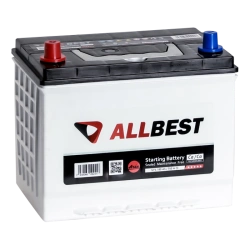
باتری سربی برای راه اندازی موتورهای پیستونی 6ST-80VL Asia 105D26R "ALLBEST"
﷼ 630,000-1,764,000
Alkor CJSC 🇷🇺
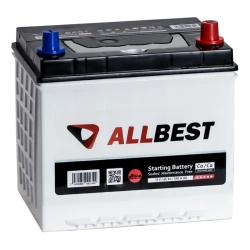
باتری سربی برای راه اندازی موتورهای پیستونی 6ST-65VL Asia 75D23R "ALLBEST"
﷼ 630,000-1,764,000
Alkor CJSC 🇷🇺
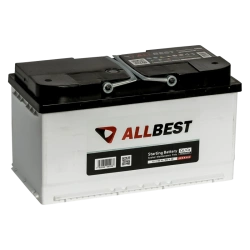
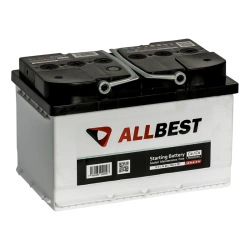
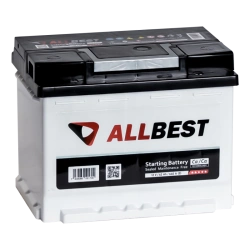
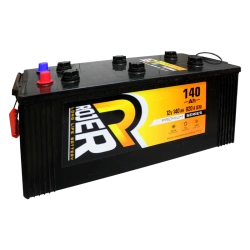
باتری سربی برای راه اندازی موتورهای پیستونی 6ST-140VL "ROJER Premium series"
﷼ 1,512,000-4,032,000
Alkor CJSC 🇷🇺
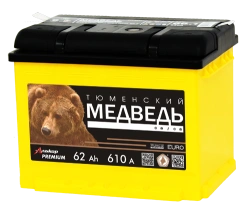
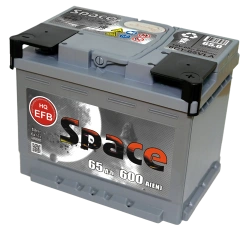
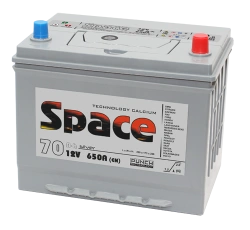
باتری سربی برای راه اندازی موتورهای پیستونی 6ST-70VLA Asia 85D26 "Space"
﷼ 630,000-1,764,000
Alkor CJSC 🇷🇺
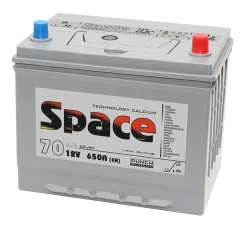
باتری سربی برای راه اندازی موتورهای پیستونی 6ST-70VLA آسیا 85D26 "فضا"
﷼ 630,000-1,764,000
Alkor CJSC 🇷🇺
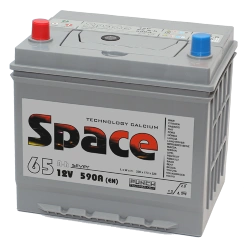
باتری سربی برای راه اندازی موتورهای پیستونی 6ST-65VLA آسیا 75D23 "فضا"
﷼ 462,000-1,260,000
Alkor CJSC 🇷🇺
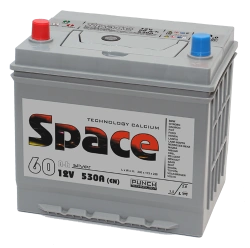
باتری سربی برای راه اندازی موتورهای پیستونی 6ST-60VLA Asia 65D23 "Space"
﷼ 630,000-1,764,000
Alkor CJSC 🇷🇺
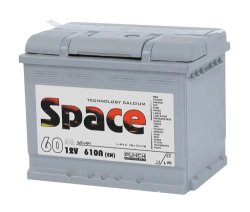
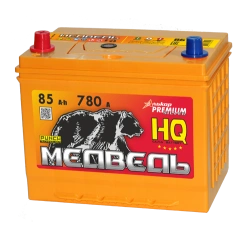
باتری سربی برای راه اندازی موتورهای پیستونی 6ST-85VLA Asia 110D26 "خرس"
﷼ 882,000-2,268,000
Alkor CJSC 🇷🇺
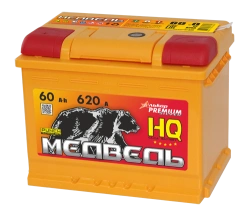
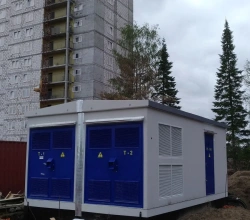
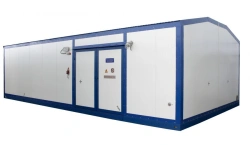
ایستگاه ترانسفورماتور بلوکی 2BKTPA-SGA-1600/10/0.4-DC1-UHL1
﷼ 630,000,000-2,520,000,000
PJSC GAZPROM AUTOMATION 🇷🇺
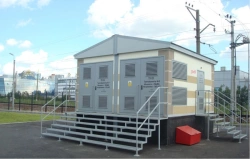
Block Complete Transformer Substation (BCTP) 100-5000 kVA
﷼ 630,000,000-5,040,000,000
PROMTEC LLC 🇷🇺
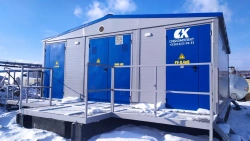
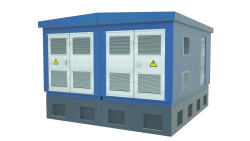
ایستگاه ترانسفورماتور کامل. مدل BKTP با قدرت 160 تا 2500 کیلووات
﷼ 378,000,000-5,040,000,000
SEMZ LLC 🇷🇺
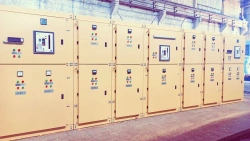
Complete Transformer Substations KTPM 25-250 kVA for 6;10/0.23;0.4 kV
﷼ 176,400,000-756,000,000
220 VOLT LLC 🇷🇺
FAQ
•Can distribution transformers be built for my national grid parameters?
Yes. Plants wind to your primary and secondary voltages, vector group, tap range and frequency, and apply the cooling and climatic execution your site needs. Provide the network one-line data and ambient conditions; the factory returns a technical proposal with losses, impedance and dimensions for approval before production, which typically takes 8–16 weeks.
•What testing documentation accompanies a transformer?
Every unit passes routine tests — winding resistance, ratio, insulation, applied and induced voltage, losses — documented in a protocol shipped with the transformer. Type test reports for the design are available for tender files. Utility buyers can witness factory acceptance in person or by video link, which suppliers arrange routinely.
•How are lithium batteries and UPS systems shipped internationally?
Lithium-ion batteries travel as Class 9 dangerous goods: UN-certified packaging, state-of-charge limits and dangerous goods declarations, which suppliers prepare. Sea freight is the standard mode; air carries tighter restrictions. Lead-acid and VRLA batteries ship with simpler paperwork. Factor 1–2 extra weeks for DG documentation on first orders.
•Do UPS suppliers help size the system for my facility?
Yes — send the load list, required autonomy and site temperature, and the supplier proposes UPS rating, battery configuration and ventilation requirements. For data-centre and telecom projects, redundancy schemes and monitoring integration are specified at this stage. Sizing calculations are part of the quotation, not a paid extra.
•Is commissioning support available for packaged substations?
Packaged substations ship factory-assembled and tested, with installation and earthing drawings. Supervised commissioning by a factory engineer is a contract option many utility buyers take for the first units, then handle subsequent ones with their own crews. Remote support and spare-parts kits are agreed in the supply contract.
•What payment structure is usual for large electrical equipment?
Typical terms are 30–50 percent advance with the balance before shipment by bank transfer; letters of credit are workable with larger plants if banking channels are agreed early. For framework utility contracts, milestone payments tied to factory acceptance tests are common practice.