
Products — Dolls & Figures

Dolls, Puppet Theaters and Figurine Sets from Russian Toy Plants

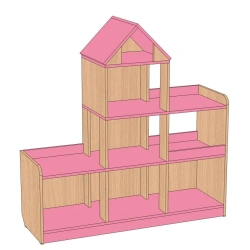
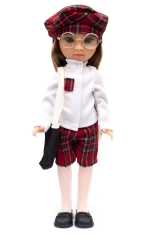
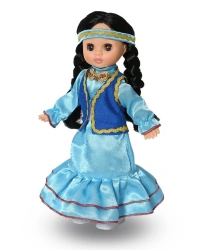
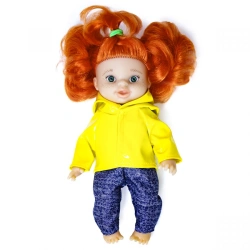
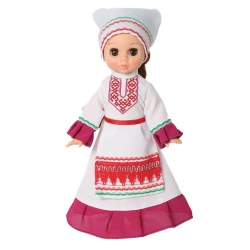
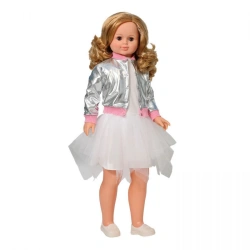
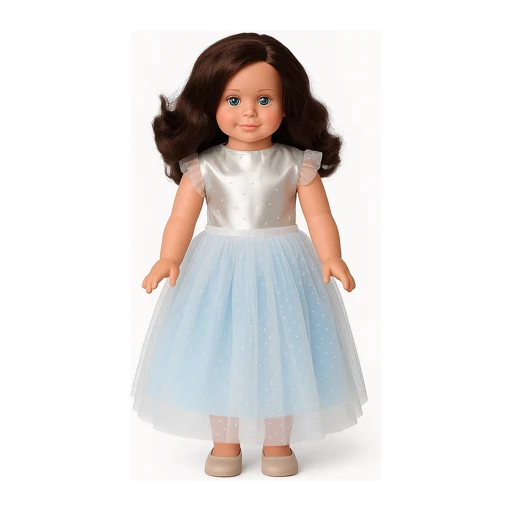
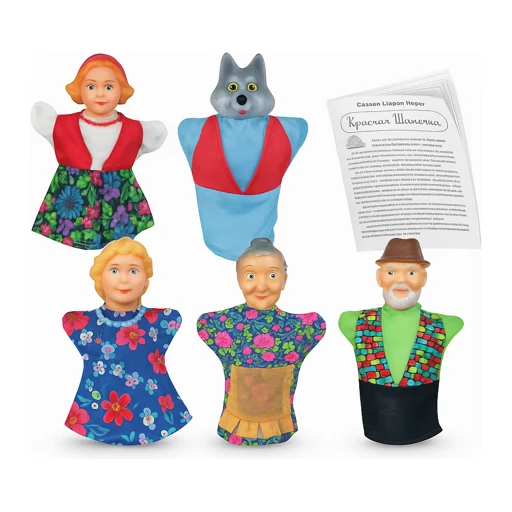
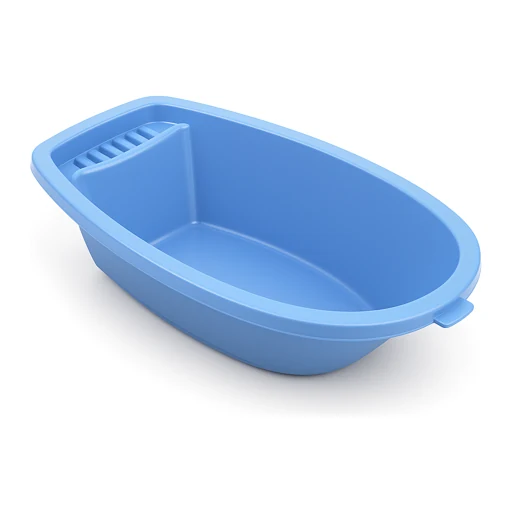
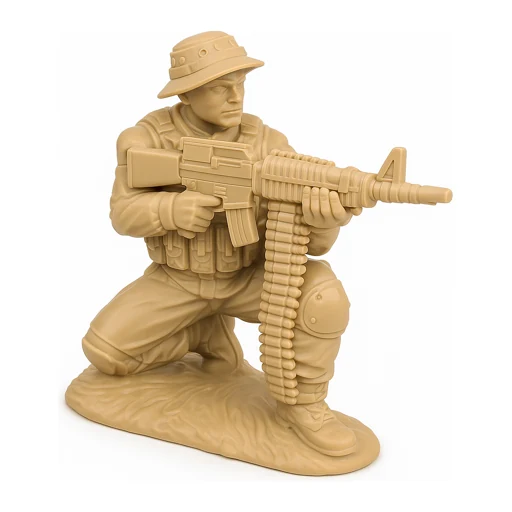
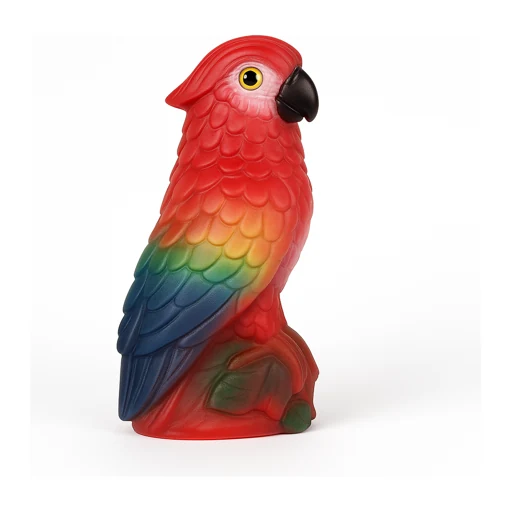
The 486 listings here from 27 producers cover the figurative side of the toy trade: dolls and baby dolls form the core with 276 positions, supported by 88 doll accessories - strollers, furniture, wardrobes - plus action figures and soldiers, animal figurine sets, and a niche you will rarely see in export catalogs: 27 puppet-theater sets with hand puppets and fairy-tale scenery, produced for the kindergarten market.

Russian doll production survived the import wave by holding the middle of the market: vinyl and plastic dolls priced between disposable bazaar goods and Western brand items, sized and dressed for everyday play rather than collecting. Accessories follow the same logic - doll strollers and high chairs in real working construction. The puppet-theater line deserves attention from education suppliers: storytelling through hand puppets is an established method in early-childhood teaching, and complete themed sets with several characters arrive ready for classroom use.

  • Core assortment: 276 doll positions from baby dolls to dressed character dolls
  • Play ecosystems: strollers, cradles, furniture and wardrobes that extend doll sales
  • Education niche: puppet-theater sets of 4-7 characters for kindergartens and speech therapy
  • Small figures: animal and human figurine sets for counting and play scenes
  • Compliance and terms: EAC toy-safety conformity; cartonized goods, EXW or FOB Baltic and Black Sea ports

Describe your retail or institutional channel in a sourcing request and producers will compile an assortment with photos and carton data.

FAQ

What materials are the dolls made from and how is safety documented?
Dolls use PVC plastisol and rigid plastics with textile clothing; producers hold EAC conformity under the EAEU toy-safety technical regulation, which covers phthalate limits, coating migration and mechanical safety. Shipments include certificates, and material declarations are provided for your local conformity process. Request the documentation list with your first quotation to plan market entry.
Can doll clothing and skin tones be adapted for my market?
Within production runs, yes: clothing fabrics and outfit designs change easily from roughly 500-1,000 units per model, and producers already make dolls in several skin tones. Modest-dress versions for Middle Eastern markets are a feasible request at volume. New head sculpts require mold investment and only make sense for large committed programs.
Are puppet-theater sets usable by non-Russian-speaking teachers?
Yes. The puppets represent universal fairy-tale characters - bears, foxes, grandparents, children - and any teacher adapts them to local stories; no text is involved in the product itself. Some sets reference Russian tales, but the characters work for any narrative. Education suppliers typically order several set variants so classrooms can rotate stories.
What are the usual minimums and can I mix models?
Inner-carton minimums per model typically run 4-12 pieces depending on doll size, and mixed orders across the producer's catalog are standard. A trial order of 300-500 mixed units gives a fair market test. Consolidating two or three producers - dolls plus accessories plus figurines - through one forwarder is routine and adds about a week.
How bulky is this cargo and what does freight look like?
Dolls and especially strollers are voluminous rather than heavy, so sea freight is the economical channel: 30-45 days from St. Petersburg or Novorossiysk to the Gulf, Africa or Latin America. Central Asia is served by truck in 10-18 days. Ask producers for carton dimensions early - container utilization decides the landed cost here.