
Products — Connectors & Terminals
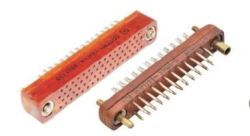
Rectangular and Circular Industrial Connectors with Full Documentation

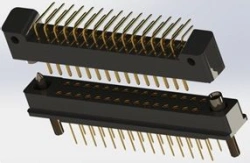
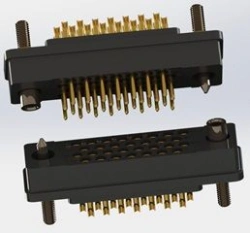
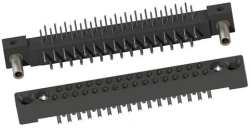
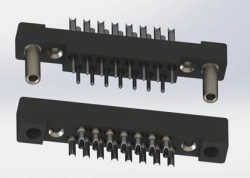
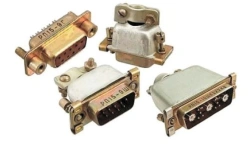
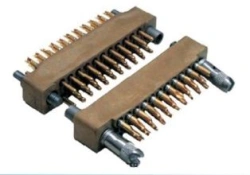
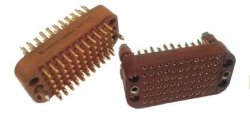
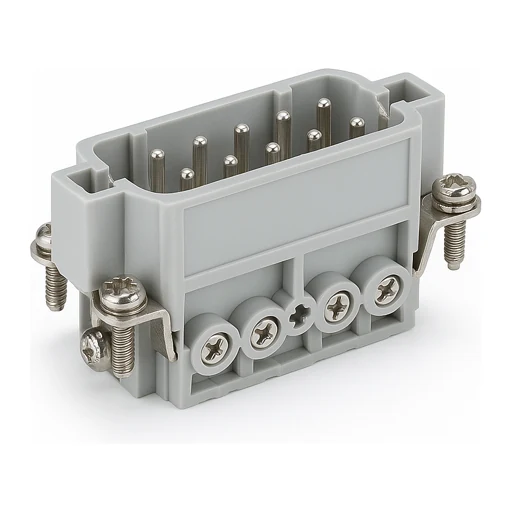
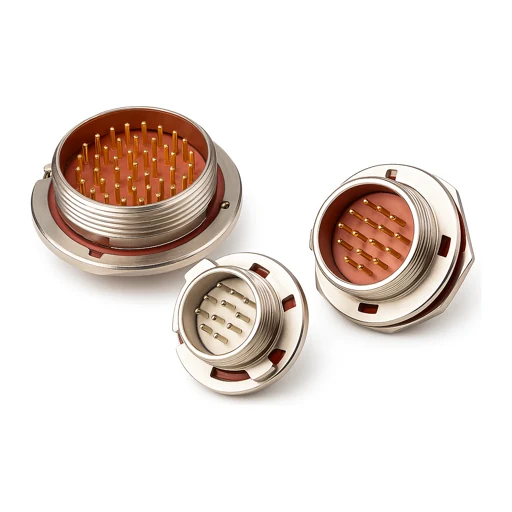
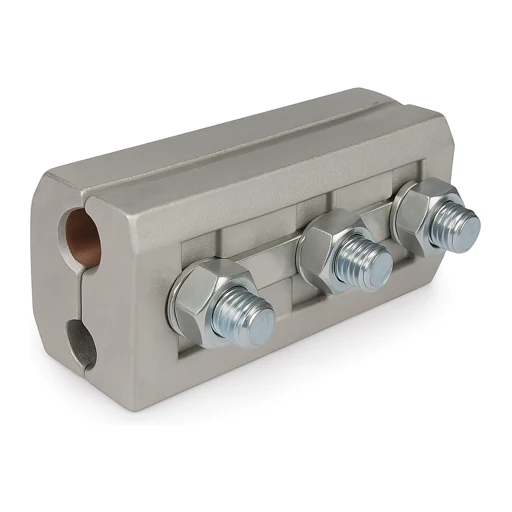
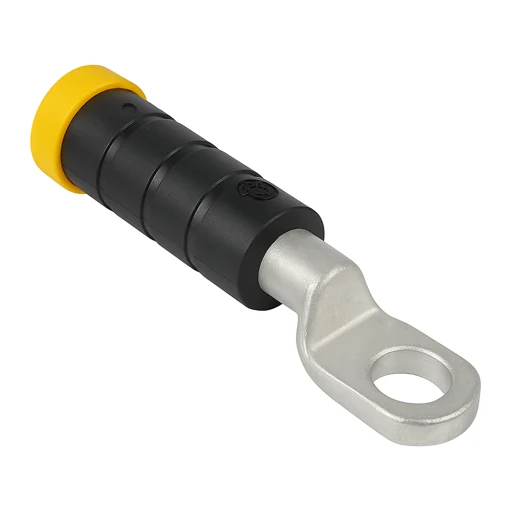
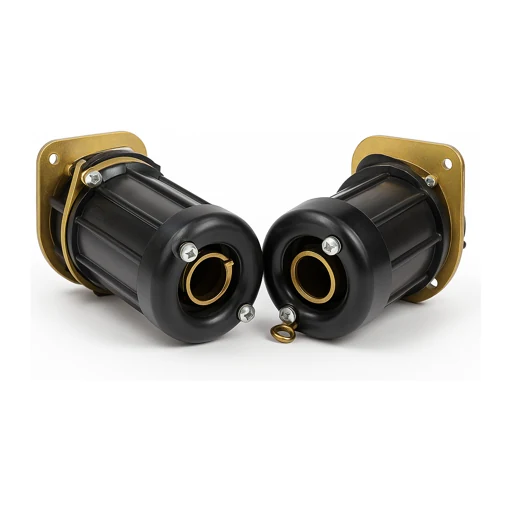
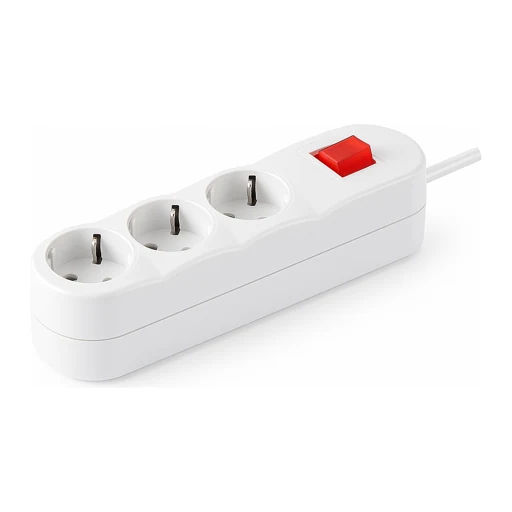
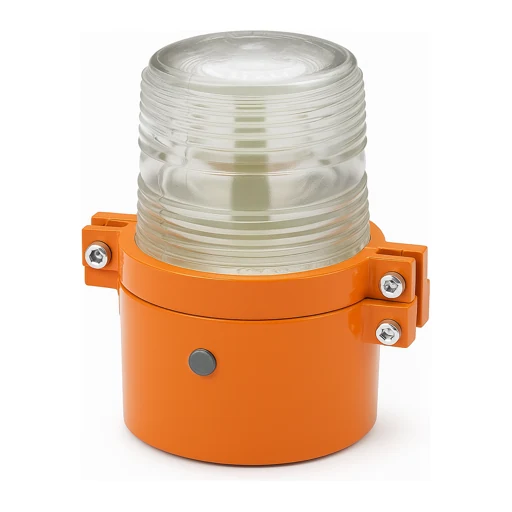
A focused interconnect catalogue: 632 positions from 61 manufacturers, dominated by 283 rectangular and 154 circular connector listings. These are industrial-grade families — multi-pin circular connectors of the type used in machine tools, transport, radio equipment and defence-adjacent industries, plus rectangular formats for control cabinets. Around the core sit power terminal blocks (18), spring and screw terminal strips, connector contacts and pins, cable lugs, clamps and tension fittings for aerial bundled cable, extension cords and power strips, and explosion-proof and marine connectors for harsh-environment installations.

The Russian connector industry grew out of military and aerospace electronics, and it shows: machined contacts, robust shells, wide temperature ranges and unusually long production runs — series introduced decades ago are still manufactured, which matters when you maintain legacy equipment that Western vendors have abandoned. Documentation is thorough, with mating cycle counts, contact resistance and environmental ratings stated per series.

  • Small-batch friendly: many positions available from tens of pieces, useful for maintenance and repair organisations.
  • Cross-referencing: suppliers help match legacy Soviet-era designations still found in installed equipment across Asia, Africa and Latin America.
  • Specs: datasheets with pin counts, current ratings, IP classes and temperature ranges, translated on request.
  • Dispatch: compact cargo ships by air courier in days or consolidates into sea freight.

List the series and pin configurations you need — or photograph the legacy connector — and suppliers will identify and quote it.

FAQ

Can suppliers identify a connector from a photo or an old designation?
Usually yes. Much equipment operating in Asia, Africa and Latin America was built with Soviet and Russian connector series, and plants keep full archives of designations. Send a photo of the shell marking, pin layout and a measurement of the shell diameter; suppliers will match the series and propose the current production equivalent.
What minimum quantities apply to connectors and terminals?
Distribution stock items sell from tens of pieces, and terminal blocks by the carton. For series produced to order — special platings, explosion-proof shells — minimums of 50–200 pieces are typical. Repair organisations buying small mixed lots are normal customers here, not an exception.
What contact plating options are available?
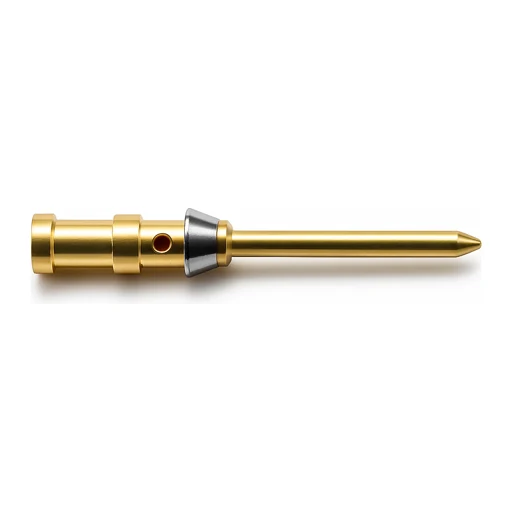
Standard contacts come tinned or silver-plated; gold plating is available for low-signal and high-reliability applications. Plating type and thickness are stated in the datasheet, along with mating cycles and contact resistance. If your application involves corrosive atmosphere or rare mating, say so — the supplier will recommend plating accordingly.
Are explosion-proof connectors certified for hazardous zones?
Explosion-proof series carry Ex certification under EAEU technical regulations, with protection types and zone suitability marked on the shell and certificate. These documents are normally accepted for pre-qualification; verify with your local inspectorate whether EAEU Ex certificates suffice or local recognition is required for your installation class.
How do small interconnect orders ship internationally?
Connectors are dense, high-value cargo, so air courier is economical: a maintenance order of several kilograms reaches the Gulf or Central Asia in 5–10 days with full export paperwork. Larger production volumes consolidate into groupage sea or truck freight. Suppliers handle export documentation in both cases.