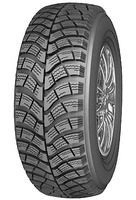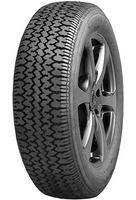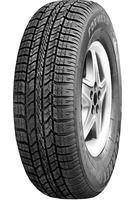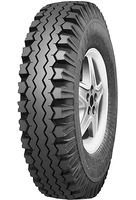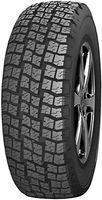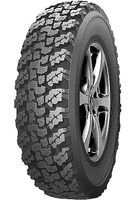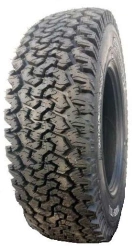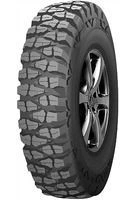

Products — Wheels & Tires

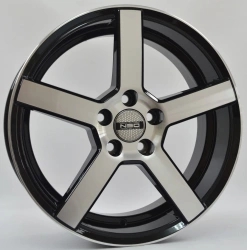
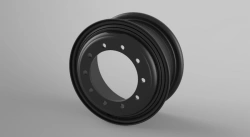
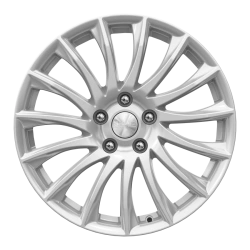
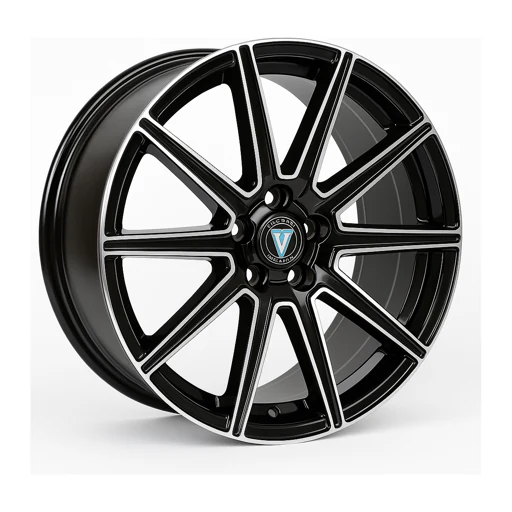
Aluminum Alloy Car Wheel NEO V03-1665 (16x6.5)

Aluminum Alloy Car Wheel NEO V03-1665 (16x6.5)

$36-120
AZOV-TEK LLC 🇷🇺
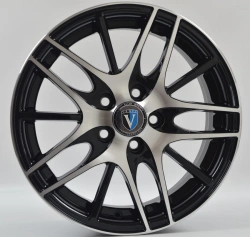
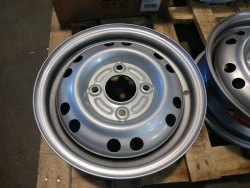
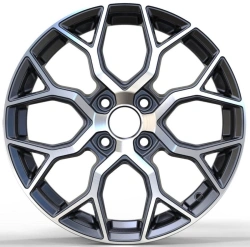
Aluminum Alloy Car Wheel Venti 1505 (15x6)

Aluminum Alloy Car Wheel Venti 1505 (15x6)

$21-60
AZOV-TEK LLC 🇷🇺
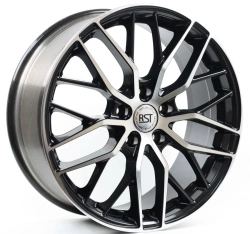
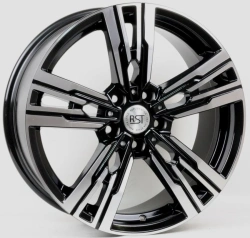
Aluminum Alloy Car Wheel RST R008 (18x7.5)

Aluminum Alloy Car Wheel RST R008 (18x7.5)

$60-220
AZOV-TEK LLC 🇷🇺
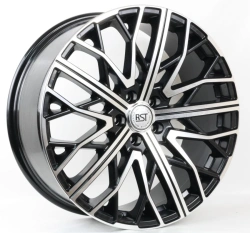
Aluminum Alloy Car Wheel RST R002 20x8.5

Aluminum Alloy Car Wheel RST R002 20x8.5

$60-220
AZOV-TEK LLC 🇷🇺
Aluminum Alloy Car Wheel RST R228 (18x8)

Aluminum Alloy Car Wheel RST R228 (18x8)

$48-180
AZOV-TEK LLC 🇷🇺
Automotive Alloy Wheel Venti 1619 16x6

Automotive Alloy Wheel Venti 1619 16x6

$36-120
AZOV-TEK LLC 🇷🇺
Aluminum Wheel Rim 3113101AST11B (A01-18"x7j)

Aluminum Wheel Rim 3113101AST11B (A01-18"x7j)

$21-60
LMZ SKAD LLC 🇷🇺

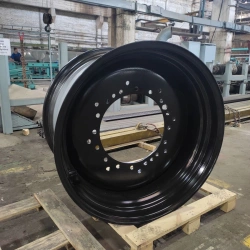
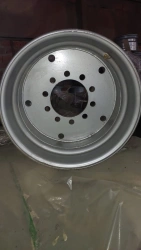
Steel Wheels, Tires and Hubs from Russian Plants — Built for Rough Roads

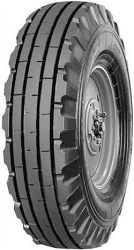
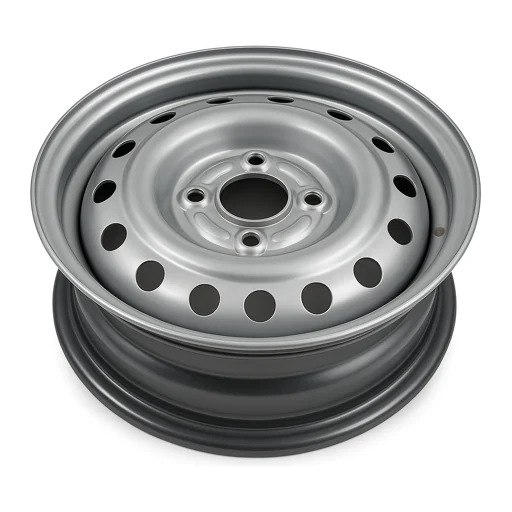
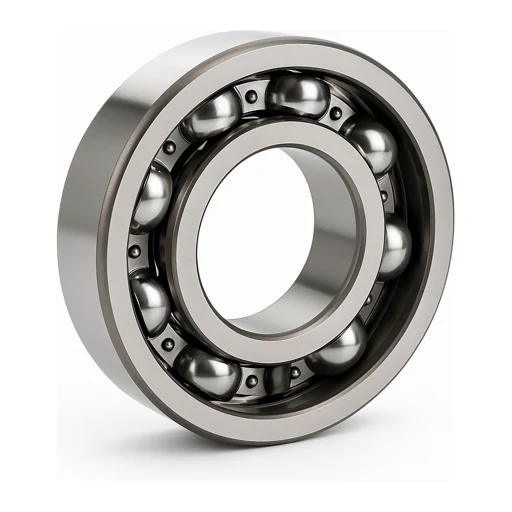
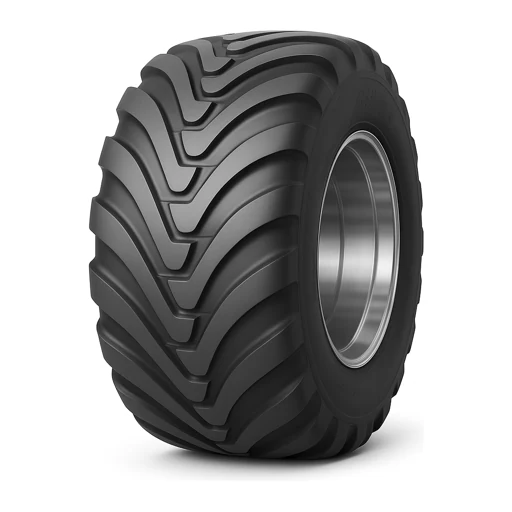
This section brings together 538 positions from 67 manufacturers and wholesale suppliers: 193 steel wheel listings, 115 tire positions, 109 alloy wheels and 65 wheel hubs and bearings. The range spans passenger cars, light commercial vehicles, trucks, trailers and agricultural machinery — most of it built first for the domestic Russian market, where gravel roads, chronic overloading and temperature swings from minus 40 to plus 40 degrees are everyday operating conditions.

That environment shapes the product. Russian steel wheels tend to be stamped from heavier-gauge metal than budget imports, and truck and agro tires are engineered with reinforced sidewalls and conservative load ratings. For fleet operators and parts distributors in Central Asia, the Gulf and Africa, this means longer service life on broken asphalt at a price point below European brands.

  • Compatibility: sizes follow GOST designations aligned with standard metric and ETRTO markings, so cross-referencing to your market is straightforward.
  • Order volumes: wholesale lots typically start from one pallet; mixed containers consolidating wheels, tires and hubs from several factories are possible.
  • Shipping: FOB Novorossiysk or St. Petersburg for sea freight, or direct trucking into Central Asia within 7–14 days.
  • Paperwork: commercial invoice, packing list, EAC conformity documents and material specifications on request.
  • OEM programs: several plants accept private-label production for repeat volumes.

Describe the sizes and quantities you need in a sourcing request, and matching factories will reply with quotations.

FAQ

Do Russian wheel and tire sizes match international standards?
Yes. Russian plants mark products to GOST standards, which use the same metric rim designations and ETRTO-style tire sizing found worldwide. A 22.5-inch truck wheel or a 385/65 R22.5 tire from a Russian factory fits the same vehicles as its European equivalent. Always confirm bolt pattern, offset and center bore against your vehicle list before ordering.
What is the typical minimum order for wholesale buyers?
Most suppliers work from one pallet per SKU for wheels and hubs, and from 50–100 units for tires. Smaller trial orders are often negotiable for a first deal, especially if you outline a realistic annual volume. Full container loads get the best per-unit pricing.
Can wheels, tires and hubs from different factories ship in one container?
Yes. Consolidation at a Russian port or bonded warehouse is a standard service. The marketplace routes your request to several suppliers at once, and a freight forwarder combines the cargo into a single 20 or 40-foot container with one set of export documents.
How long does production and delivery usually take?
Stock items ship within 5–10 working days. Made-to-order batches, such as specific steel wheel sizes or OEM-branded runs, typically take 30–45 days in production. Sea freight to the Middle East or East Africa adds roughly 25–40 days; overland trucking to Central Asia takes 7–14 days.
Is there a warranty on wheels and wheel bearings?
Manufacturers normally warrant wheels and hubs against manufacturing defects for 12 months or a stated mileage, whichever comes first. Warranty terms are written into the supply contract. Claims are handled with photo evidence and batch numbers, so keep the marking labels from each shipment.