

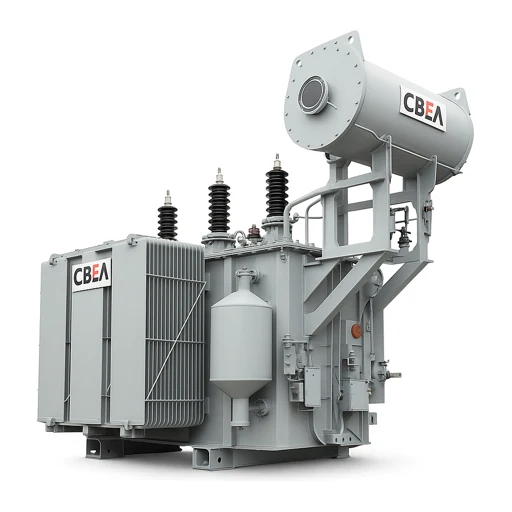
Power Transformers
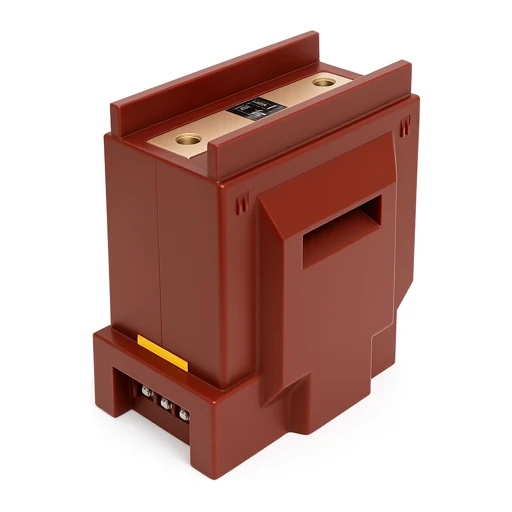
Current Transformers (Instrument)
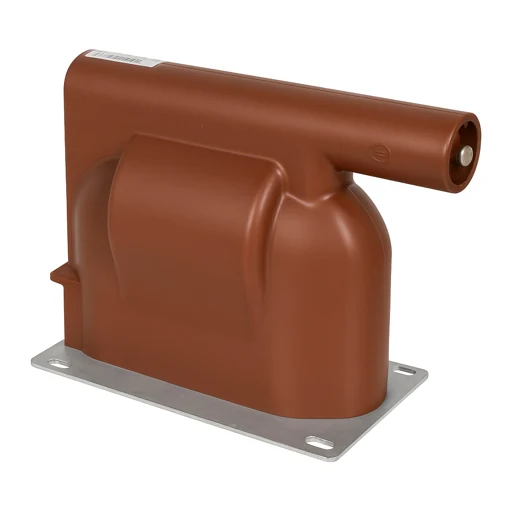
Voltage Transformers (Instrument)
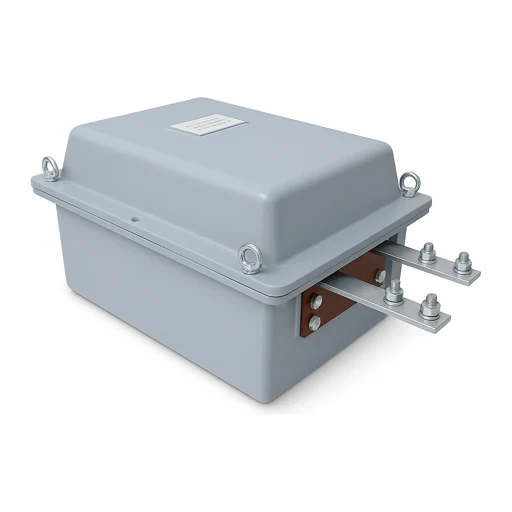
Special Purpose & Choke Transformers
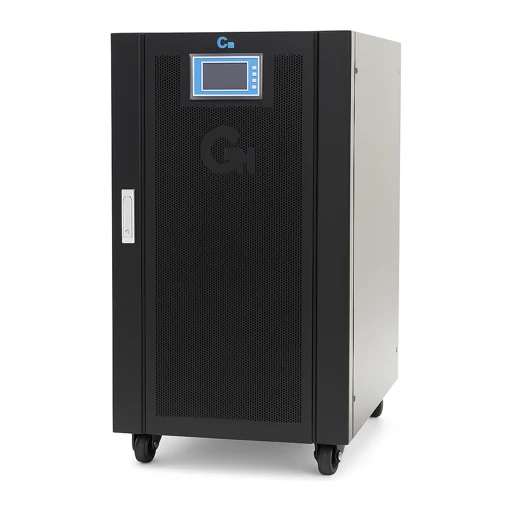
Uninterruptible Power Supplies (UPS)
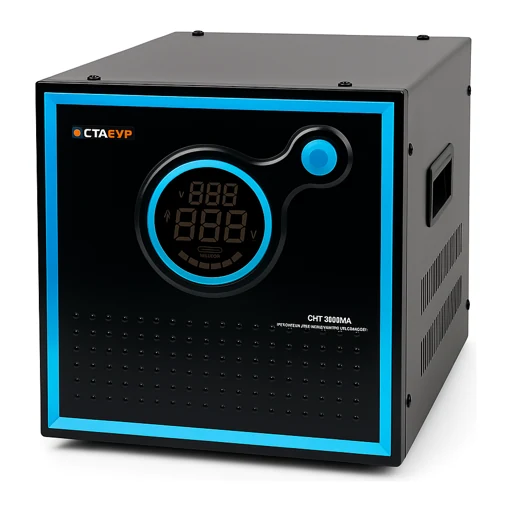
Voltage Stabilizers
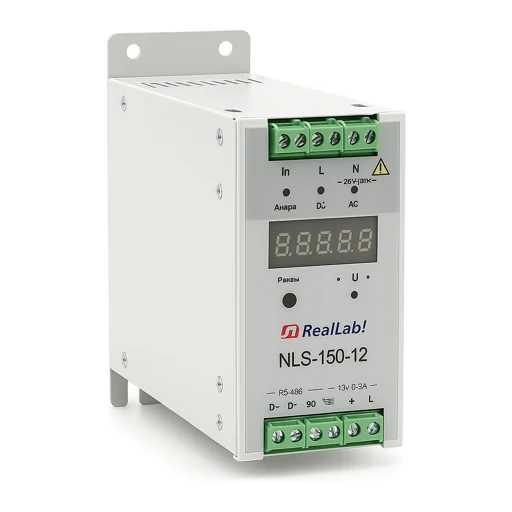
Power Supplies & Power Modules
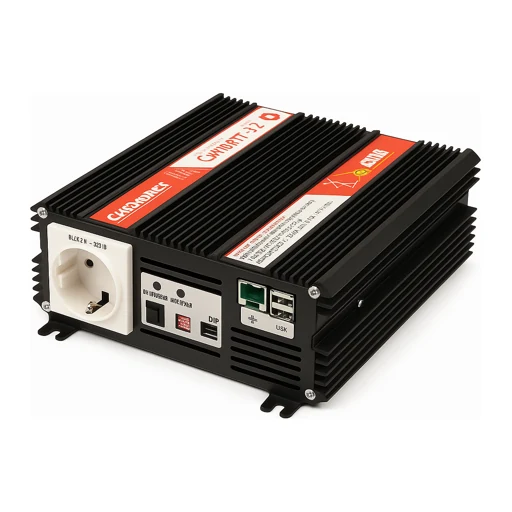
Inverters, Rectifiers & Battery Chargers
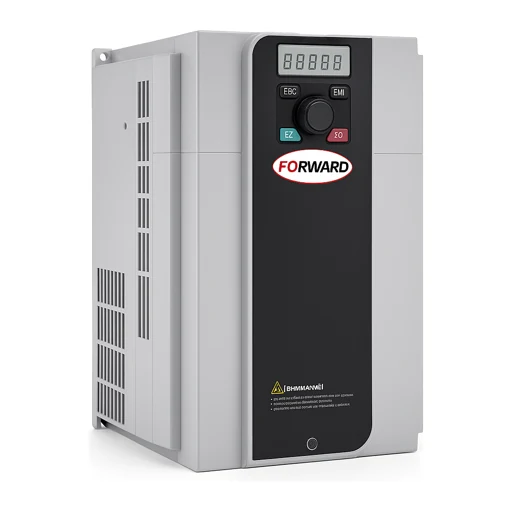
Frequency Converters / VFD
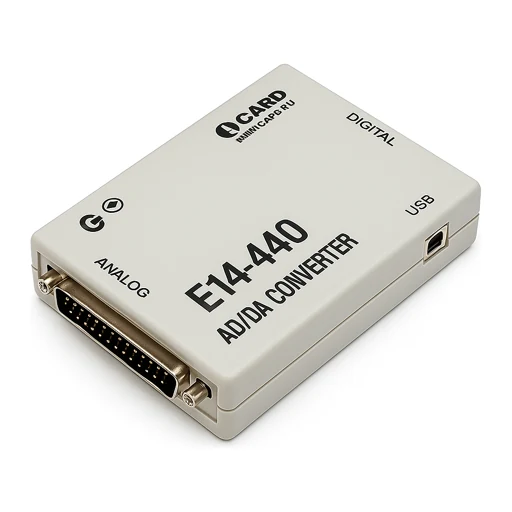
Measurement Transducers (Current, Voltage, Power)
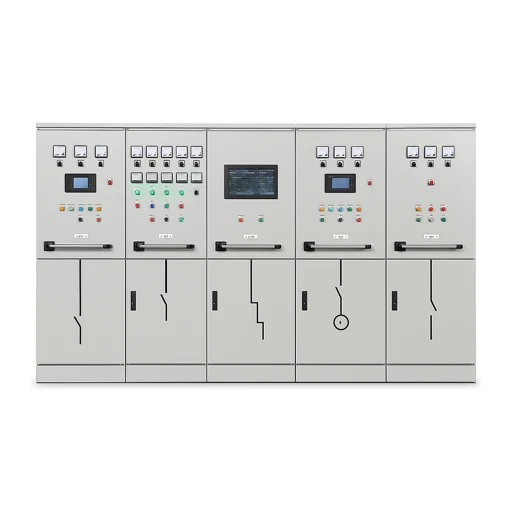
Switchgear & Low-Voltage Distribution Equipment
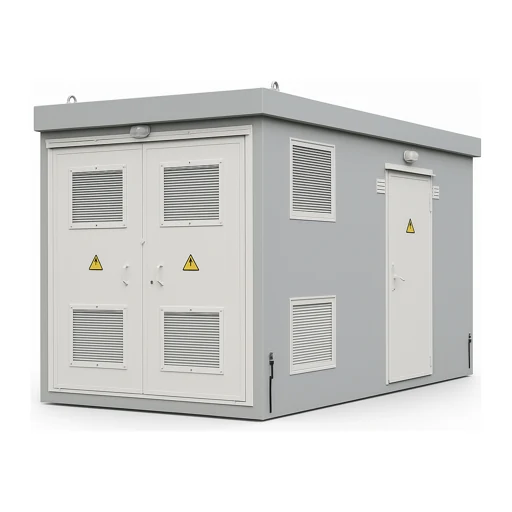
Packaged Substations
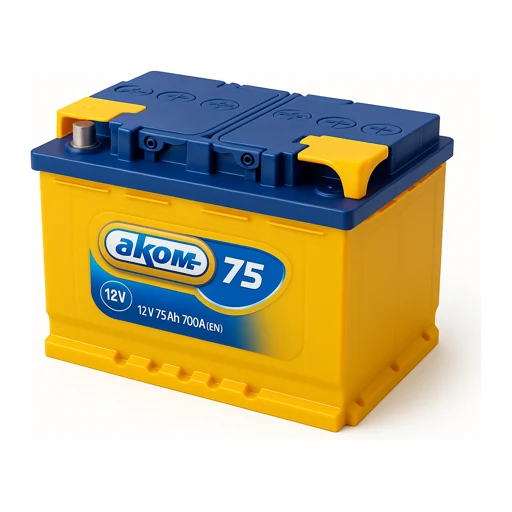
Starter Batteries
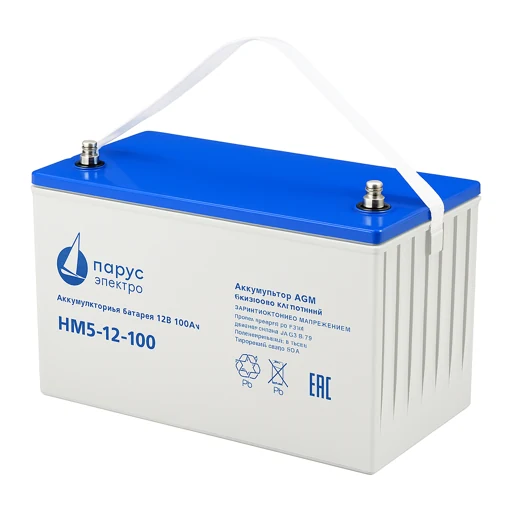
Stationary & Lithium-Ion Batteries
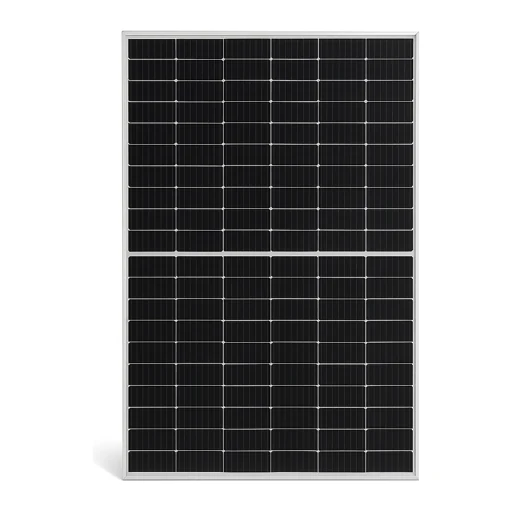
Solar Power Plants & PV Modules
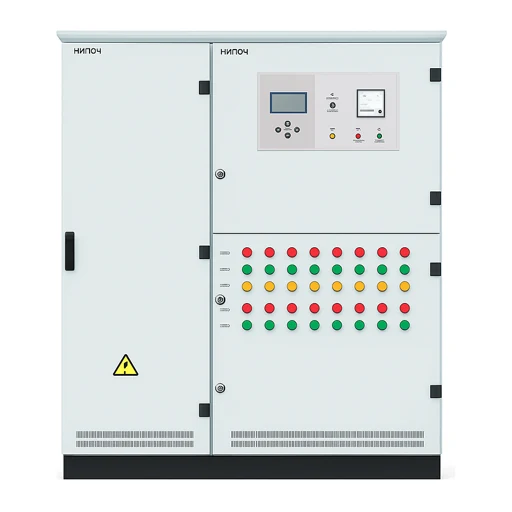
Power Supply & DC Backup Systems
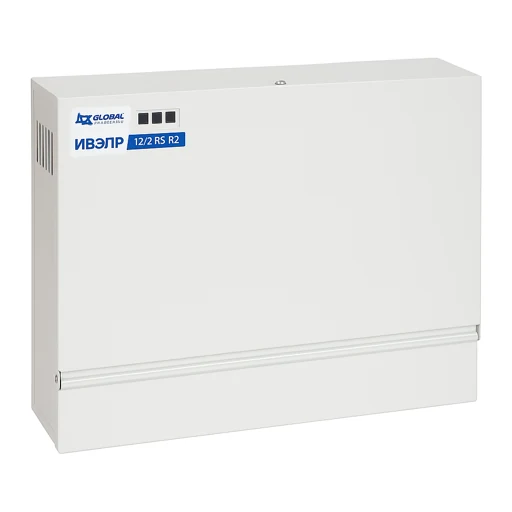
Redundant Secondary Power Sources
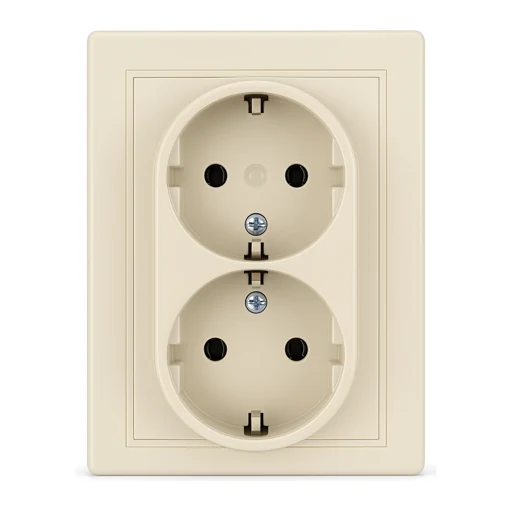
Industrial Sockets & Power Columns
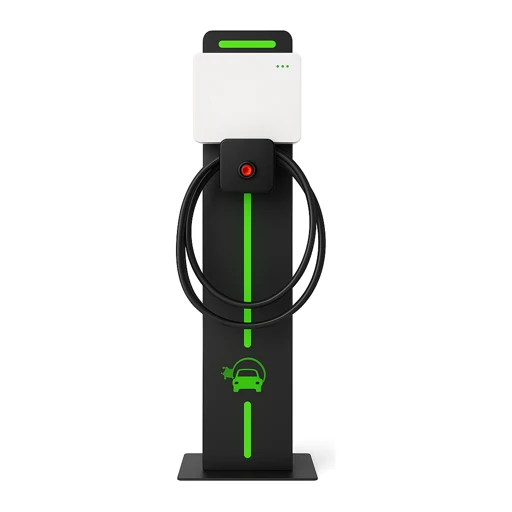
EV Charging Stations
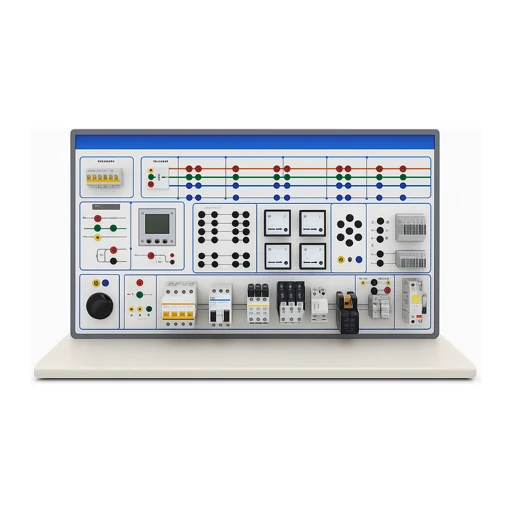
Other Power Distribution Equipment
产品 — 电源与配电
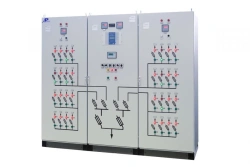
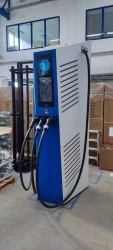
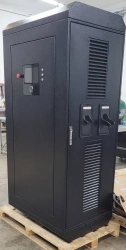
Electric Vehicle Charging Station "Yablochkov Uraган-2" BZS-2-1, YVTG.656467.001TU
¥108,000-345,600
Charging Stations "Yablochkov" LLC 🇷🇺
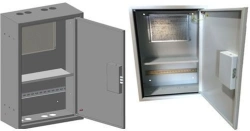
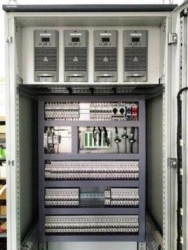
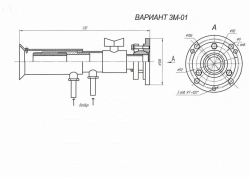
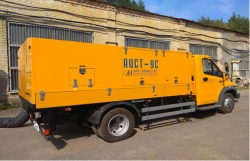
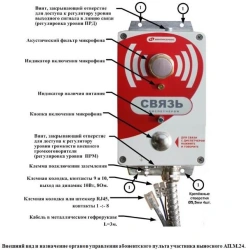
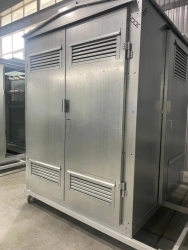
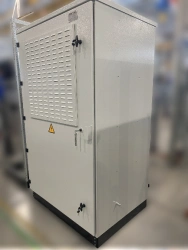
Complete Transformer Substation without Transformer KTPN-VK-250/10/0.4-U1
¥21,600-129,600
KCK LLC 🇷🇺
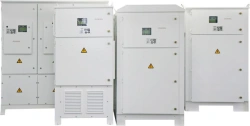
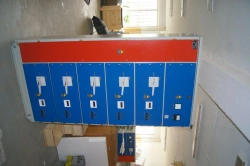
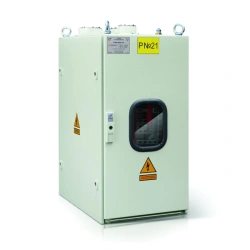
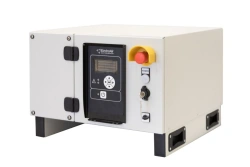
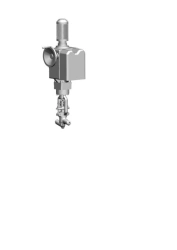
Electric Actuated Shut-off Valve 1052-65-EM DN65/PN23.5
¥6,480-21,600
Energomash (Chekhov) - CZEM OJSC 🇷🇺
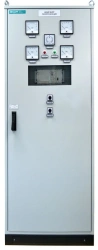
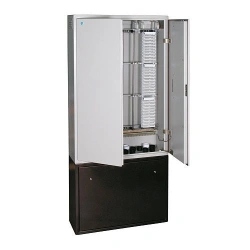
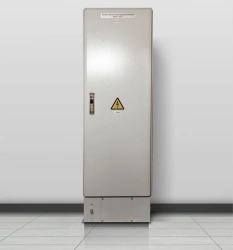
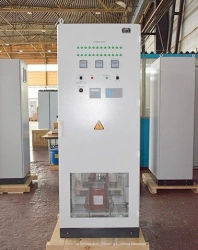
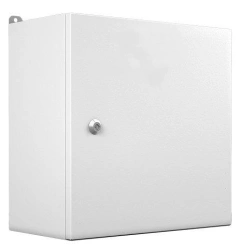
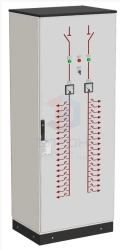
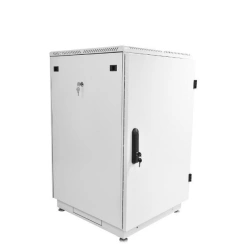
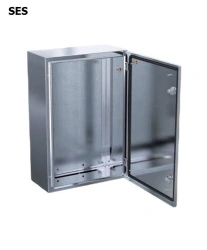
DC Power Distribution Cabinet SHROT-ELT-50=220-24-2-1.6.7.8.13 UHL4 BUB20GH001
¥6,480-25,920
ELTON LLC 🇷🇺
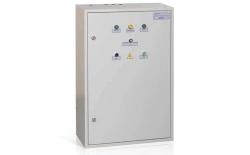
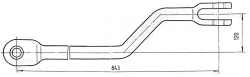
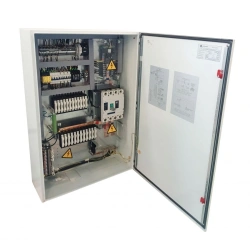
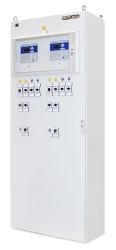
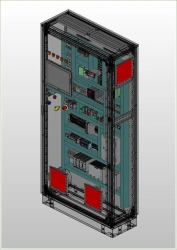
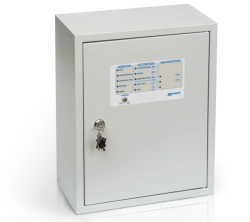
Relay Protection and Automation Control Cabinets SH-MT Series
¥8,640-43,200
LLC "NTs "MEHANOTRONIKA" 🇷🇺
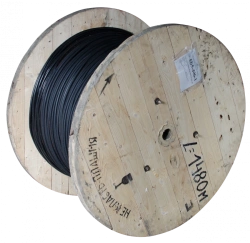
Extended Oil and Gas Resistant Electrodes EPM (TU 27.12.31-108-73892839-2020)
¥64.80-259.20
ANOD LLC 🇷🇺
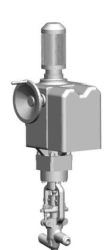
Electric Actuated Shut-off Valve 998-20-EM DN20/PN37.3
¥6,480-21,600
Energomash (Chekhov) - CZEM OJSC 🇷🇺
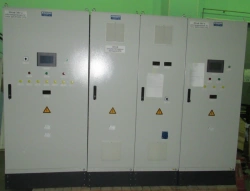
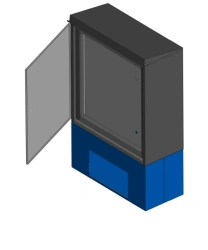
DC Power Distribution Cabinets SHCN1250 for Electrical Energy Management
¥8,640-43,200
VNIIR OJSC 🇷🇺
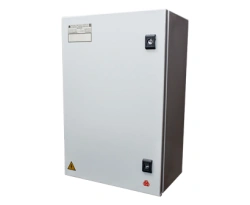
Outdoor Lighting Control Cabinet SR Street Control & Registration (Three-Phase)
¥3,024-10,800
SVETOSYSTEMY LLC 🇷🇺
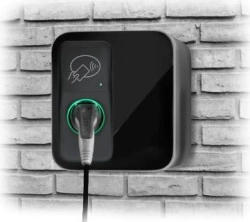
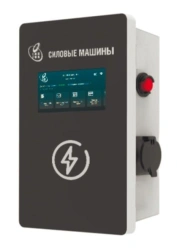
Wall-mounted AC Charging Station "FORA" for Electric Vehicles and Micro-Electric Transport 7/15/22 kW
¥10,800-34,560
GRPZ OJSC 🇷🇺
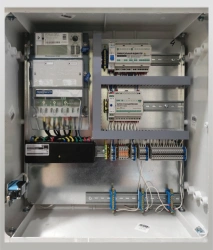
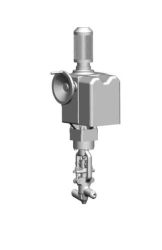
Electric Actuated Shut-off Valve 1054-40-EM DN40/PN37.3
¥6,480-21,600
Energomash (Chekhov) - CZEM OJSC 🇷🇺
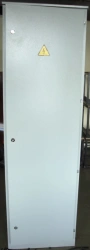
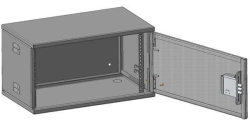
Input Distribution Cabinet - ШВ Model for Power Supply Connection
¥648-4,320
ENELT Production Company LLC 🇷🇺
常见问题
•Can distribution transformers be built for my national grid parameters?
Yes. Plants wind to your primary and secondary voltages, vector group, tap range and frequency, and apply the cooling and climatic execution your site needs. Provide the network one-line data and ambient conditions; the factory returns a technical proposal with losses, impedance and dimensions for approval before production, which typically takes 8–16 weeks.
•What testing documentation accompanies a transformer?
Every unit passes routine tests — winding resistance, ratio, insulation, applied and induced voltage, losses — documented in a protocol shipped with the transformer. Type test reports for the design are available for tender files. Utility buyers can witness factory acceptance in person or by video link, which suppliers arrange routinely.
•How are lithium batteries and UPS systems shipped internationally?
Lithium-ion batteries travel as Class 9 dangerous goods: UN-certified packaging, state-of-charge limits and dangerous goods declarations, which suppliers prepare. Sea freight is the standard mode; air carries tighter restrictions. Lead-acid and VRLA batteries ship with simpler paperwork. Factor 1–2 extra weeks for DG documentation on first orders.
•Do UPS suppliers help size the system for my facility?
Yes — send the load list, required autonomy and site temperature, and the supplier proposes UPS rating, battery configuration and ventilation requirements. For data-centre and telecom projects, redundancy schemes and monitoring integration are specified at this stage. Sizing calculations are part of the quotation, not a paid extra.
•Is commissioning support available for packaged substations?
Packaged substations ship factory-assembled and tested, with installation and earthing drawings. Supervised commissioning by a factory engineer is a contract option many utility buyers take for the first units, then handle subsequent ones with their own crews. Remote support and spare-parts kits are agreed in the supply contract.
•What payment structure is usual for large electrical equipment?
Typical terms are 30–50 percent advance with the balance before shipment by bank transfer; letters of credit are workable with larger plants if banking channels are agreed early. For framework utility contracts, milestone payments tied to factory acceptance tests are common practice.