

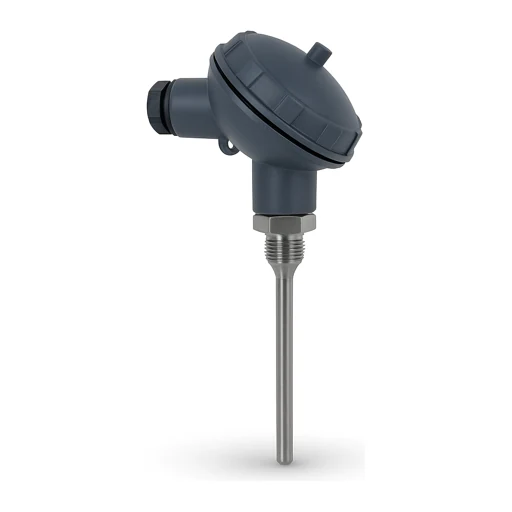
Temperature Sensors & Thermocouples
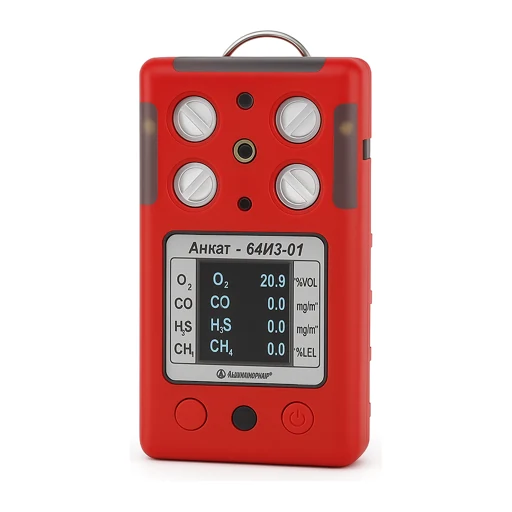
Gas Analyzers & Gas Detectors
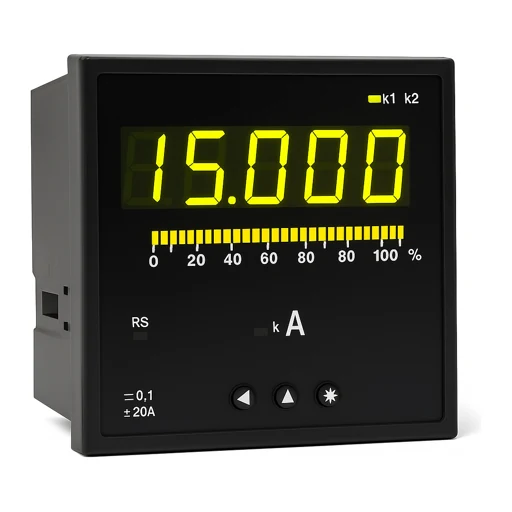
Panel Meters (Ammeters, Voltmeters, Wattmeters)
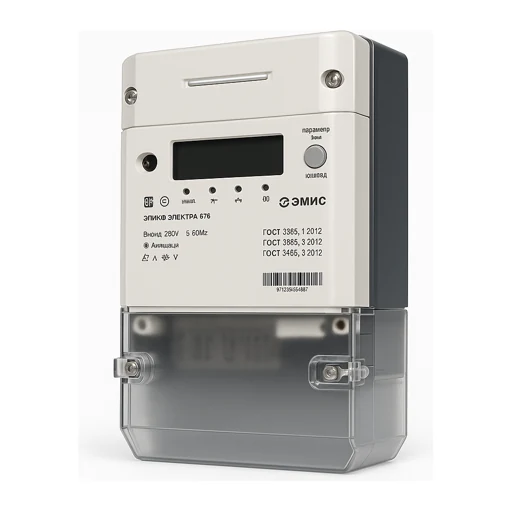
Three-Phase Electricity Meters
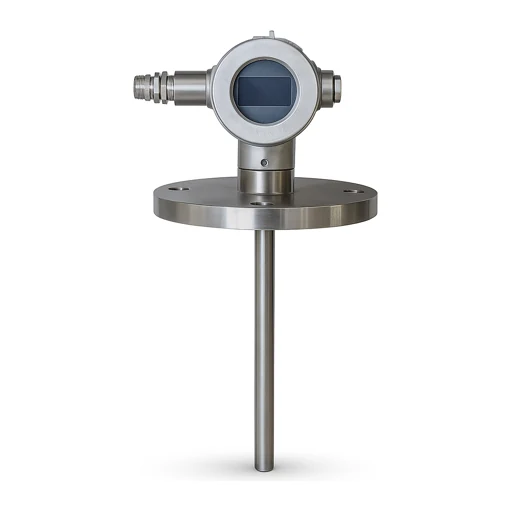
Flow, Level Meters & Level Switches
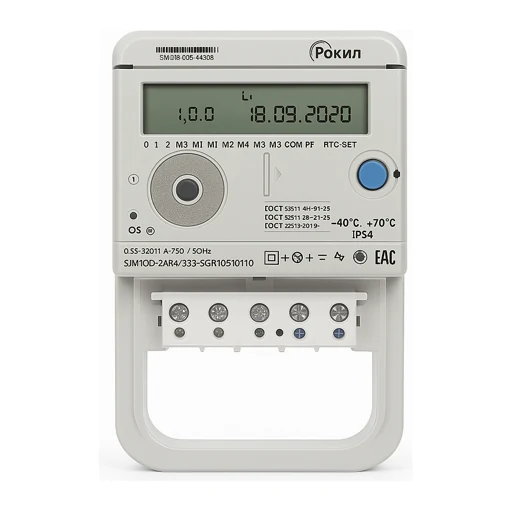
Single-Phase Electricity Meters
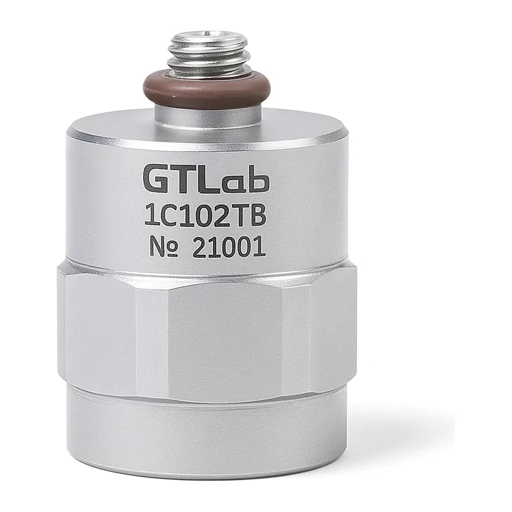
Accelerometers & Vibration Sensors
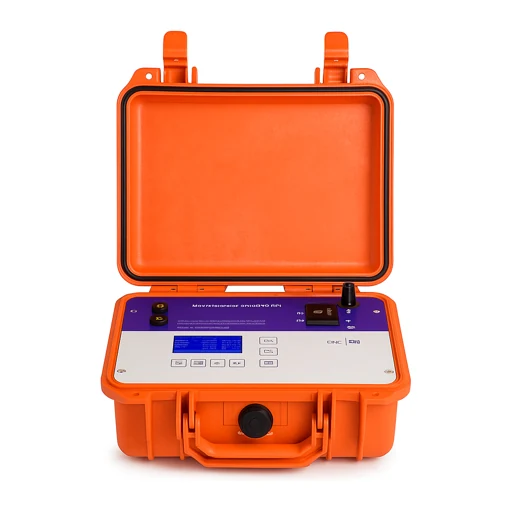
Megohmmeters & Insulation Resistance Testers
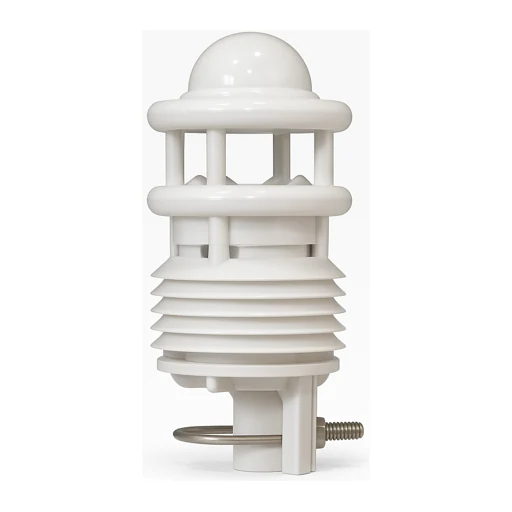
Humidity, Air Quality & Weather Sensors
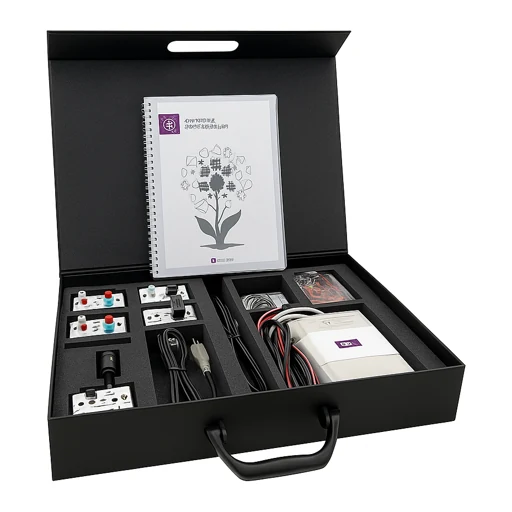
Educational Lab Kits & Training Sets
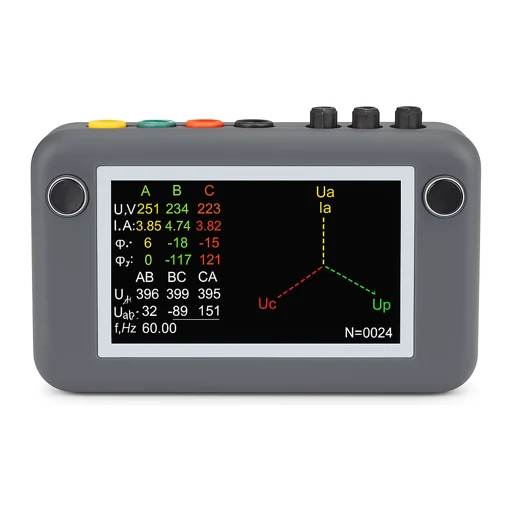
Power Quality Analyzers & Recorders
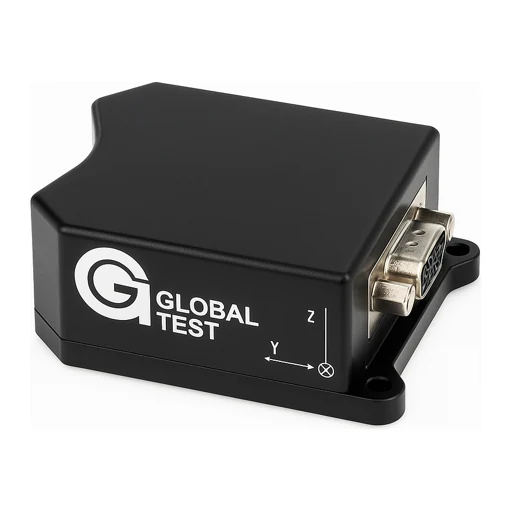
Position & Rotary Angle Sensors
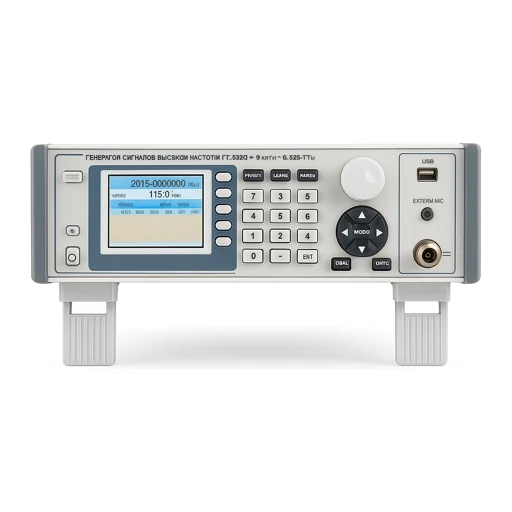
Signal Generators & Power Meters
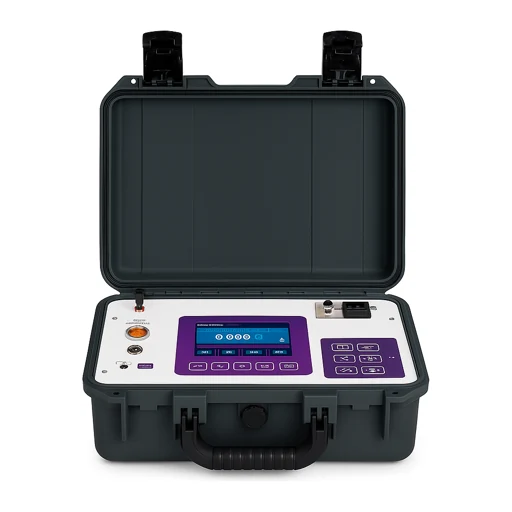
Electrical Equipment Testers & Diagnostic Tools
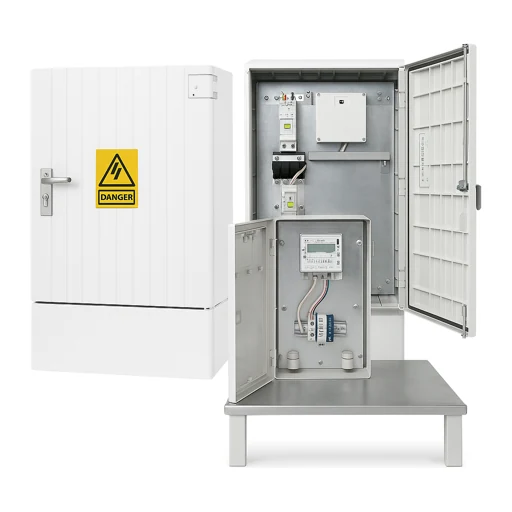
Reactive Power Compensation & Metering Panels
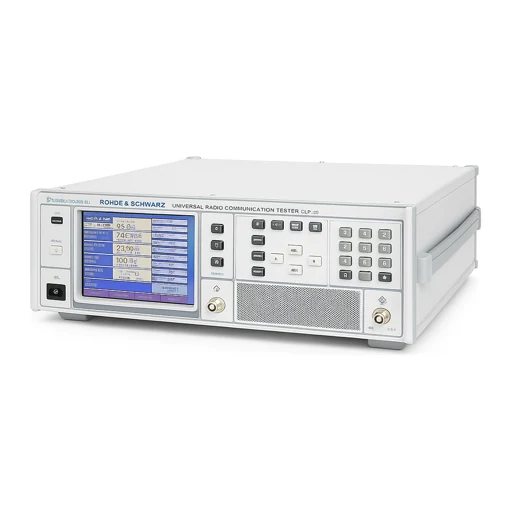
Multimeters, Oscilloscopes & Frequency Meters
Voltage & Current Monitoring Relays
Soldering Stations & Equipment
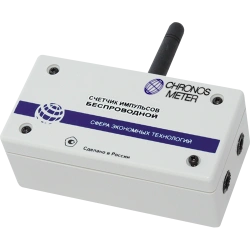
Pulse Counters (Wired & Wireless)
Data Loggers & Recorders
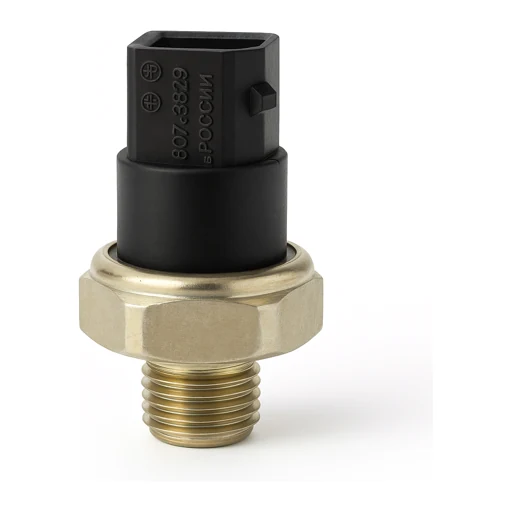
Electronic Pressure Gauges & Transmitters
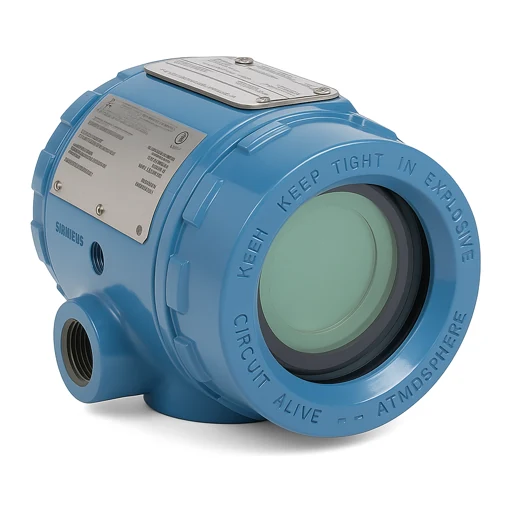
Clamp Meters & Current Transducers
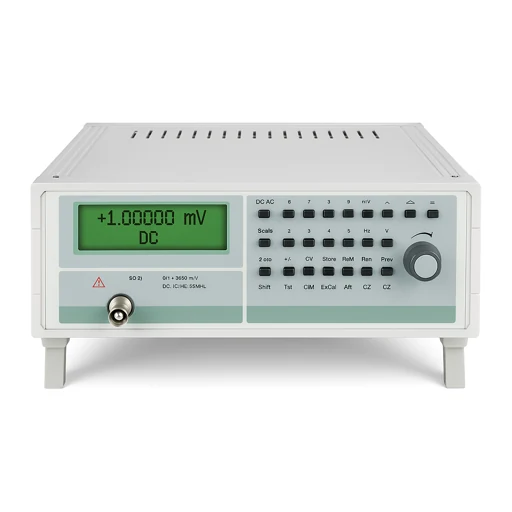
Calibrators & Reference Standards
Other Test & Measurement
产品 — 测试与测量
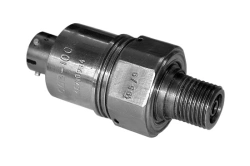
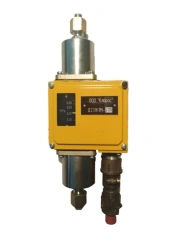
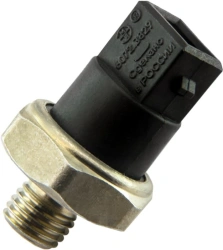
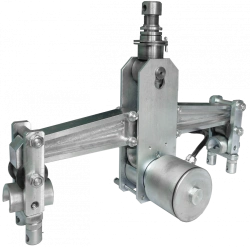
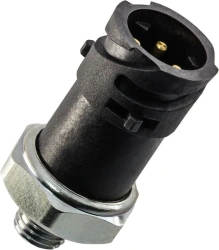
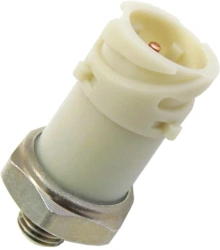
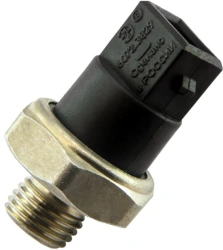
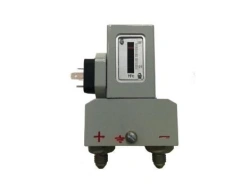
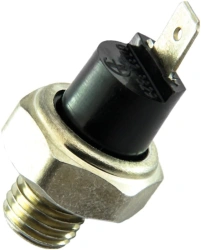

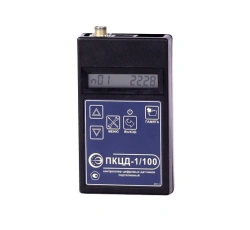

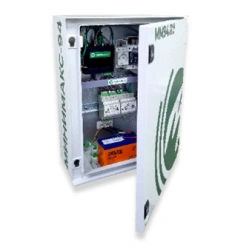
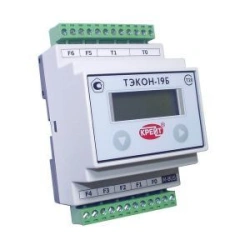
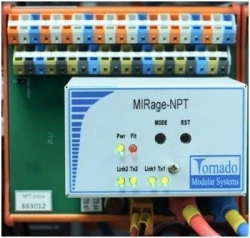
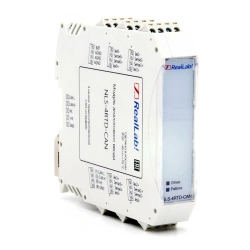
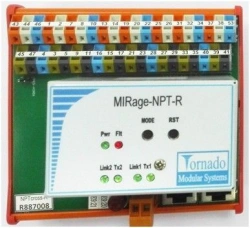
MIRage-NPT Signal Input Devices for Resistance Temperature Sensors
¥1,296-5,184
Tornado Modular Systems LLC 🇷🇺
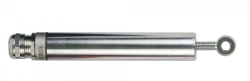
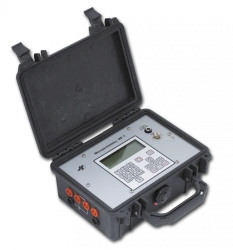
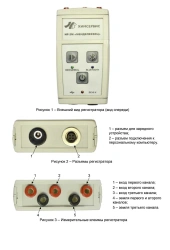
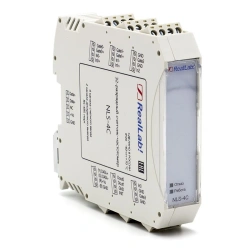
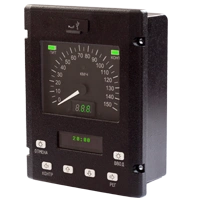
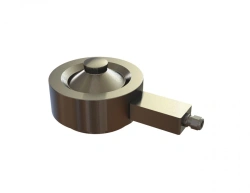
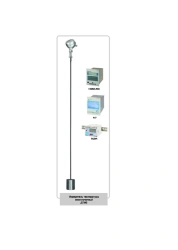
Locomotive Movement Parameter Collection System KPD-4 with Control Unit BU-4
¥6,480-25,920
ELEKTROMEKHANIKA OJSC 🇷🇺
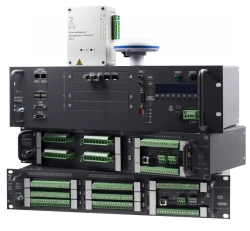
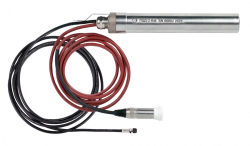
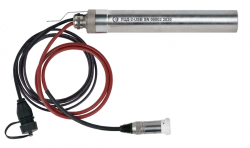
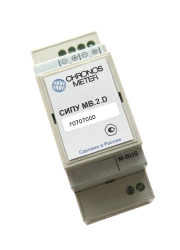
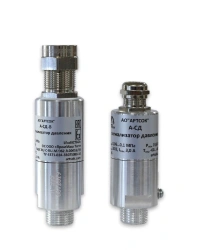
Operating Time and Control Meter SNK-78-1 for Helicopter Power Units
¥6,480-43,200
ODK-Klimov OJSC 🇷🇺
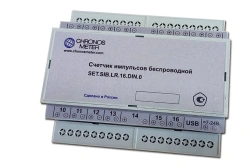
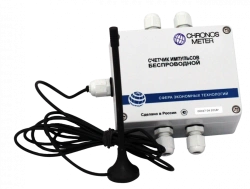
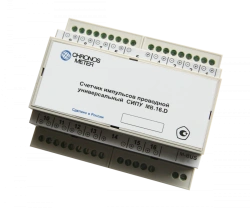
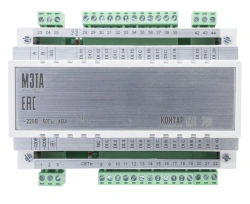
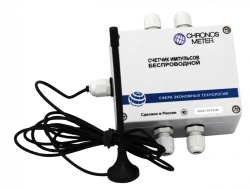
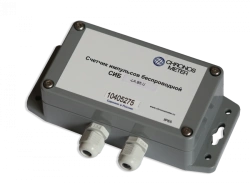
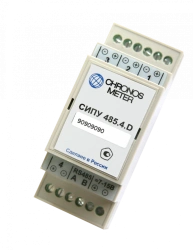
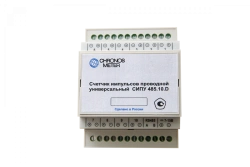
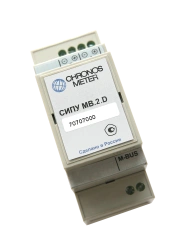
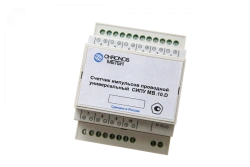
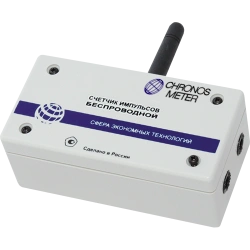
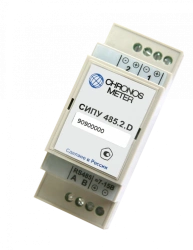
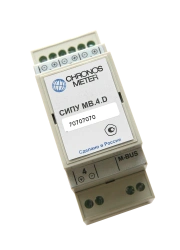
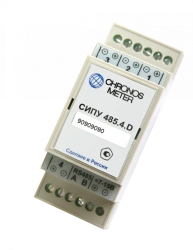
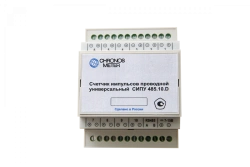
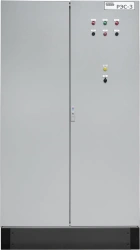
Universal Wired Pulse Counter for Energy Resource Management SET.SIPU.RS.10N.0.DIN
¥648-2,160
SET LLC 🇷🇺
常见问题
•Do Russian electricity meters and panel instruments work with our 50 Hz grid?
Yes in most cases. Russia itself runs a 220/380 V, 50 Hz grid, so single-phase and three-phase meters, ammeters and voltmeters are natively designed for those parameters. If your network differs, for example 60 Hz in parts of Latin America, state it in the inquiry: many factories offer alternative windings or confirm tolerance ranges in the datasheet.
•What calibration documents come with the instruments?
Manufacturers typically include a factory calibration certificate or verification protocol referencing GOST metrology standards, plus a passport stating the accuracy class. If your regulator requires local verification, the GOST protocol is usually accepted as the baseline document for re-certification at a national lab.
•Can gas analyzers be configured for the specific gases we monitor?
Usually yes. Most Russian gas detection makers build instruments around interchangeable sensor modules, so units can be configured for methane, CO, H2S, oxygen and other common targets at order time. Specify the gas, measurement range and whether you need portable or stationary units, and lead time typically stays within 30-45 days.
•What is the minimum order for sensors and thermocouples?
Thermocouples and RTD sensors are frequently made to order by immersion length and thread, so factories accept small trial batches, often from 5-10 pieces. Catalogue panel meters and household electricity meters may carry higher minimums, typically a carton of 10-50 units, because of packaging economics.
•How are fragile instruments shipped to the Middle East or Africa?
Small consignments usually travel by air courier or air cargo with rigid foam packing. Larger orders go in consolidated sea containers via FOB Novorossiysk or St. Petersburg, with instruments boxed and palletised. Transit insurance is normally arranged by the freight forwarder; manufacturers pack to survive standard drop-test handling.