


产品 — 外墙与饰面材料
常见问题
•Will these coatings perform in hot and humid climates?
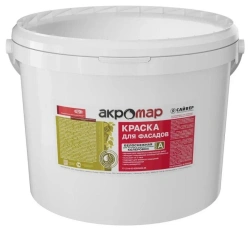
Most facade paints and protective compounds in this section are formulated for severe continental conditions and carry UV and moisture resistance data in their technical sheets. For tropical coastal use, ask the manufacturer to confirm performance against your humidity and salt-spray requirements; several plants adjust formulations for specific export climates.
•What shelf life do paints and treatments have for sea shipment?
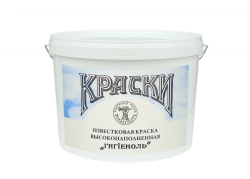
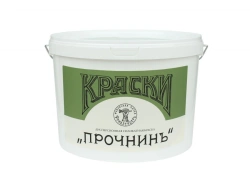
Water-dispersion paints typically carry 12–24 months shelf life, solvent-based and silicate products up to 24–36 months in unopened factory packaging. A sea voyage of 30–45 days is not a problem if cargo avoids freezing; suppliers mark temperature limits on each pallet and can schedule shipments around extreme seasons.
•Can I get fire-protection certificates recognised in my country?
Products ship with Russian fire-efficiency test reports and GOST conformity documents stating flame-spread group and treatment class. These are usually sufficient for tender pre-qualification, but final acceptance depends on your national regulator. Manufacturers can support local re-certification by providing formulation data and additional test samples.
•Is private-label production available for distributors?
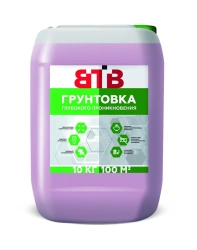
Yes, this is common practice for paints, primers, wood treatments and rust converters. Typical thresholds start around one tonne per SKU per filling run. The factory prints your label artwork, while the certificate of conformity continues to reference the manufacturing plant, which keeps documentation legitimate.
•How are decorative mouldings and cornices packed for export?
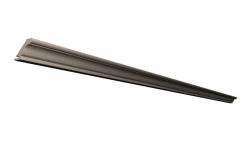
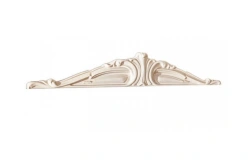
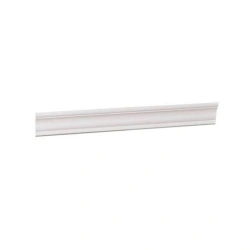
Long profiles are wrapped individually, boxed and strapped to custom-length pallets or packed in plywood crates for sea freight. Breakage allowances of 2–3 percent are normally written into the contract for gypsum and polymer decorative elements, and suppliers add spare pieces to cover transit damage.