

产品 — 谷物清选与烘干
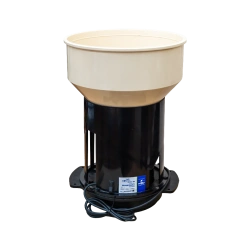
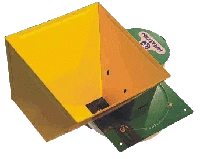
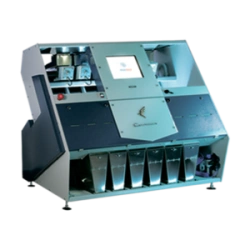
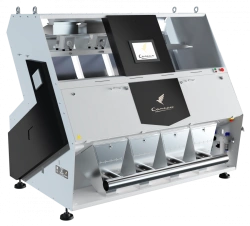
High-Resolution Photo Separator with Monochrome and RGB Cameras SE216 M
¥108,000-345,600
SMART GRADE LLC 🇷🇺
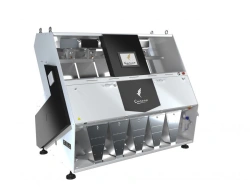
Universal Grain Sorting Photo Separator with RGB Technology S360 SapSan
¥108,000-432,000
SMART GRADE LLC 🇷🇺
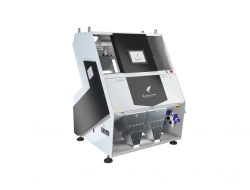
Universal Grain Photo Separator with RGB Mode and 0.12mm Resolution S144
¥108,000-345,600
SMART GRADE LLC 🇷🇺
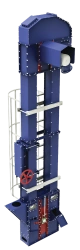
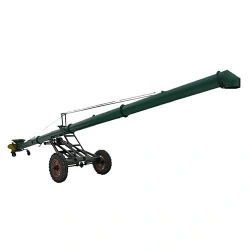
Industrial Grain Bucket Elevator for Vertical Transporting up to 50 Meters NPZ Type
¥10,800-129,600
Voronezh Agromash LLC 🇷🇺
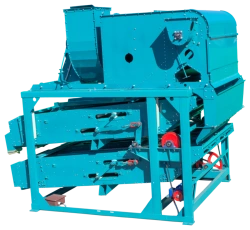
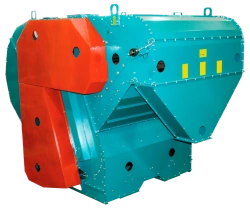
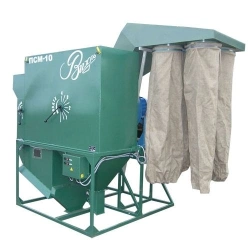
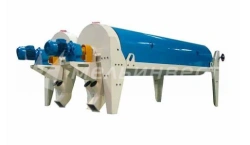
Grain Primary Cleaning Machine for Sorting and Purification ZVS-20A
¥10,800-34,560
Voronezh Agromash LLC 🇷🇺
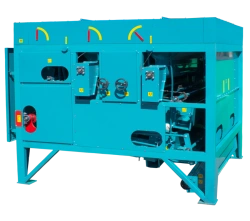
Grain Cleaning Machine for Primary Processing of Cereals and Legumes VRM-K 52.7
¥32,400-108,000
Voronezh Agromash LLC 🇷🇺
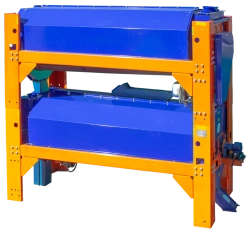
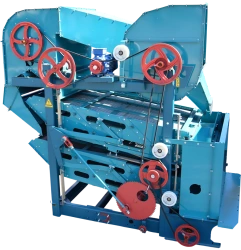
Stationary Grain Cleaner for Initial Purification of Various Crops OVS-25C
¥10,800-34,560
Voronezh Agromash LLC 🇷🇺
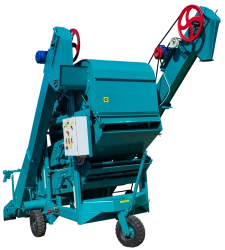
Self-Propelled Grain Cleaner for Cereal and Legume Crops OVS-25
¥34,560-108,000
Voronezh Agromash LLC 🇷🇺
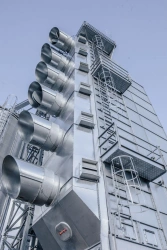
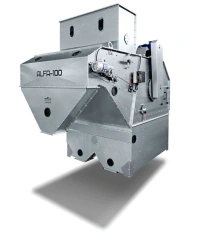
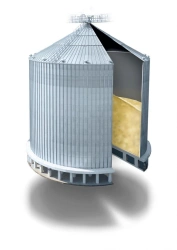
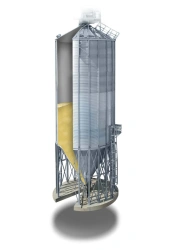
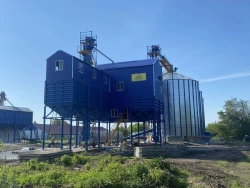
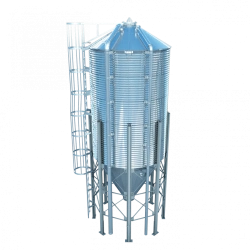
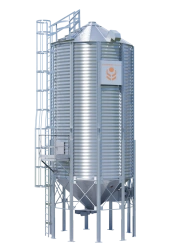
Metal Grain Silo with Galvanized Steel Construction and Inspection Hatch SK Model
¥64,800-432,000
ROMAKS LLC 🇷🇺
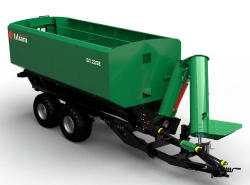
Mechanical Side Discharger for Grain and Bulk Materials RMB.01
¥108,000-432,000
AGROMASHREGION LLC 🇷🇺
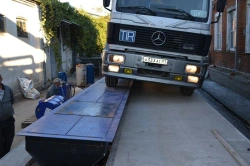
Single-Track Hydraulic Side Discharger for Trucks, Ideal for Grain and Bulk Materials - BORA
¥64,800-216,000
AGROMASHREGION LLC 🇷🇺
常见问题
•How do I choose dryer capacity if my grain arrives at different moisture levels?
State your worst realistic case: crop type, intake moisture, target moisture and tonnes per day during peak harvest. Russian manufacturers rate dryers at a standard moisture removal point, so the same machine yields different real throughput on wheat at 19% versus maize at 28%. A correctly sized dryer is chosen from your peak-day figures, not season averages.
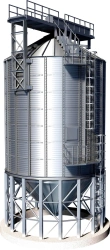
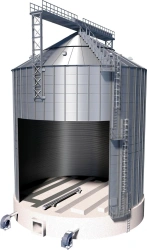
•Can grain silos be shipped in standard containers?
Yes. Bolted silos travel as packed bundles of curved galvanized panels, stiffeners and hardware, which load efficiently into 40-foot containers. A mid-size silo typically occupies one to three containers including the roof, ladders and unloading auger. Assembly is done locally with a crew and crane; suppliers provide assembly manuals and can send a supervising engineer.
•What fuel options are available for the grain dryers?
Most models are offered in diesel, natural gas and LPG versions, and several plants build furnace variants for local solid fuel. Specify what is cheapest and most reliable at your location — for many buyers in Central Asia that is natural gas, while diesel remains the default for off-grid African sites. Burner choice is fixed at ordering stage.
•What is a realistic lead time for a complete cleaning and drying line?
Standalone cleaners and separators are often in stock or built within 30–45 days. Dryers typically take 45–60 days depending on configuration. A full line with silos, elevators and conveyors is usually produced in 60–90 days, plus sea or overland transit. Ordering in your off-season avoids the pre-harvest production queue.
•Will the equipment work with crops other than wheat, such as rice, maize or sunflower?
Generally yes, with the right screens and settings. Cleaning machines change sieve sets per crop, and suppliers include crop-specific screen kits if you list your crops in the order. Dryers handle maize, sunflower, rice paddy and pulses with adjusted temperature regimes described in the manual. Mention fragile crops explicitly so gentle-handling options are quoted.
•Is installation supervision available in Africa or the Middle East?
Many manufacturers offer paid supervision: an engineer flies in for silo erection or dryer commissioning while your local crew does the physical work. Alternatively, commissioning support over video link is common and cheaper. Agree the format in the contract; typical on-site supervision is billed per day plus travel and takes one to three weeks.