

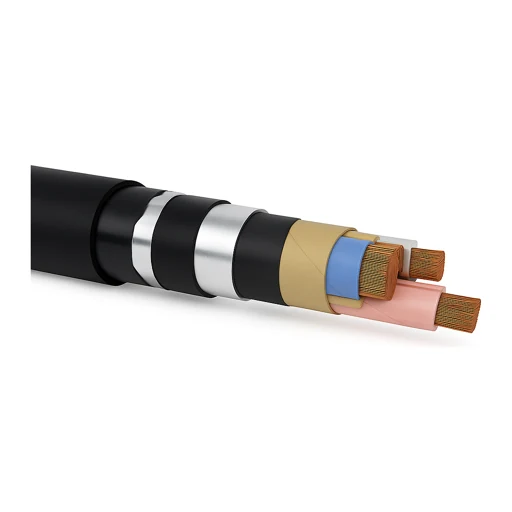
Күч кабелдери ТЧ (1 кВ чейин)
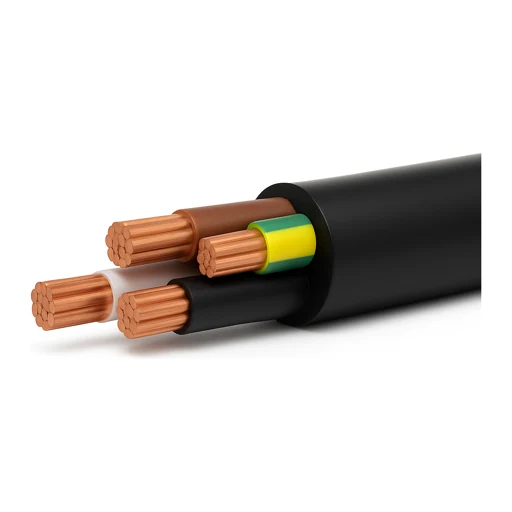
Орто чыңалуудагы күч кабелдери (6-35 кВ)
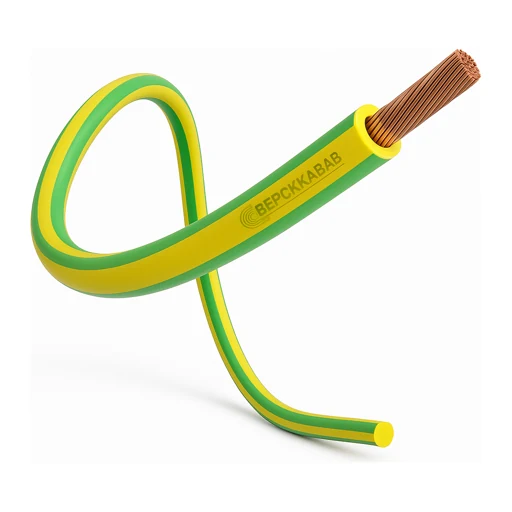
Орнотуу жана турмуш-тиричилик зымдары
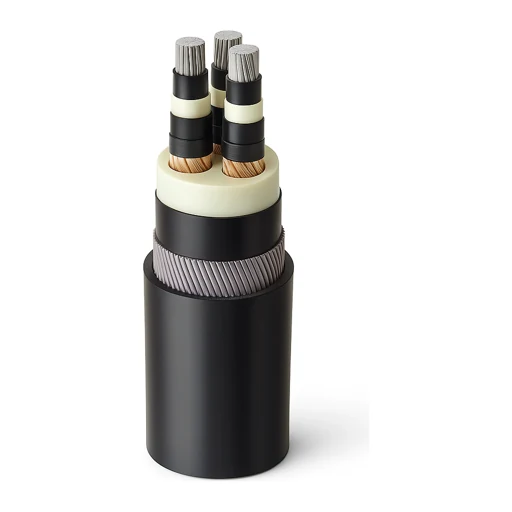
Алюминий тарамалуу ТЧ күч кабелдери
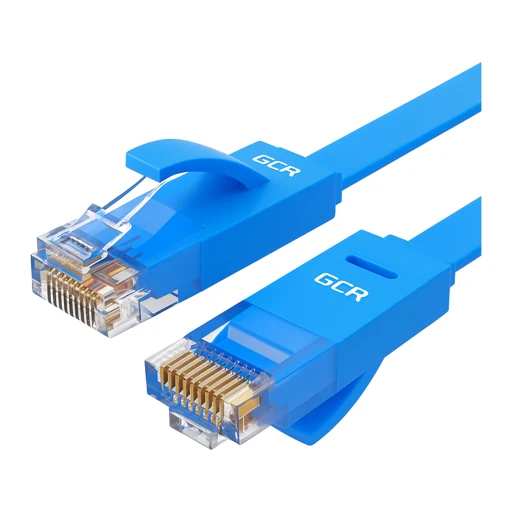
Байланыш, сигнализация жана ССК кабелдери
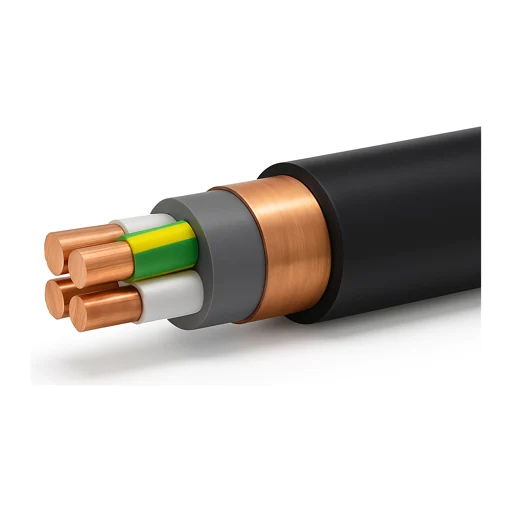
Жез тарамалуу ТЧ күч кабелдери
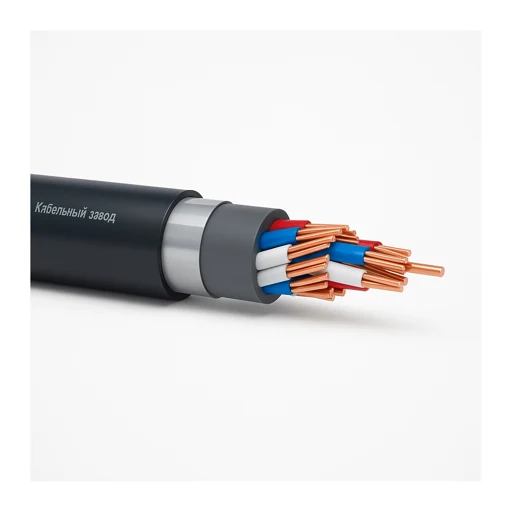
Көзөмөл кабелдери
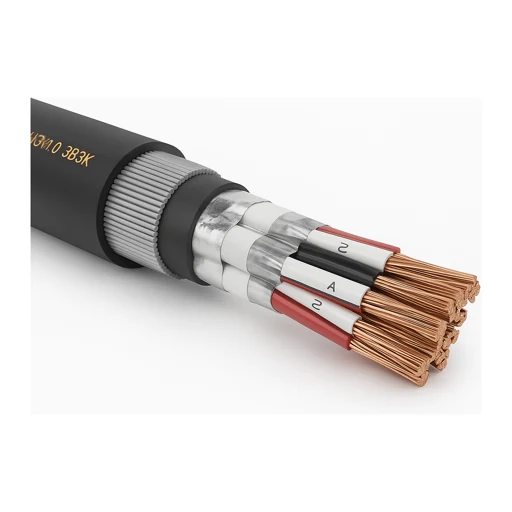
Монтаждык/орнотуу кабелдери
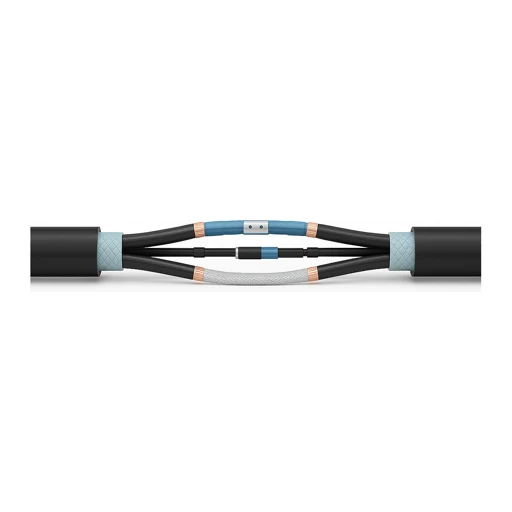
Кабель муфталары
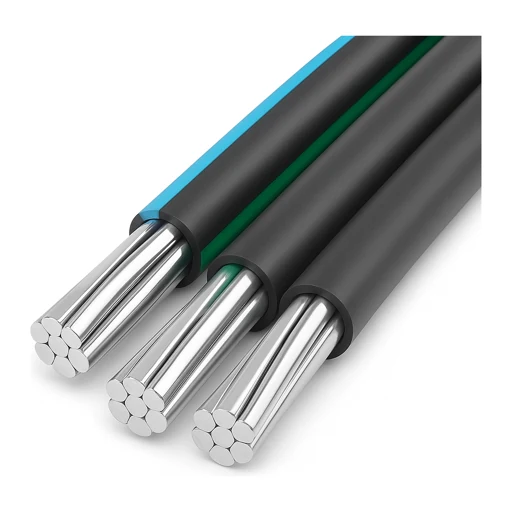
СИП өзү көтөрүлүүчү зымдар
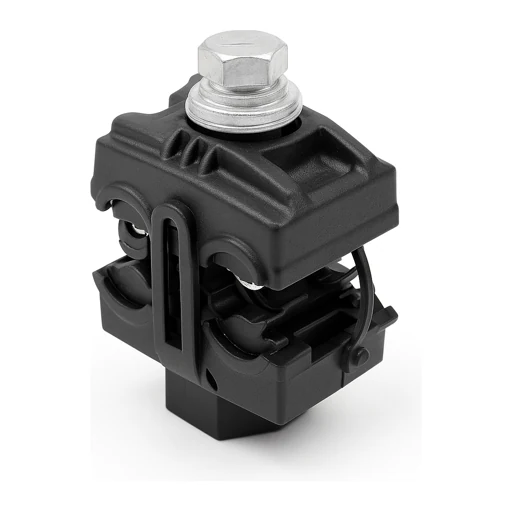
Сым жана кабель арматурасы
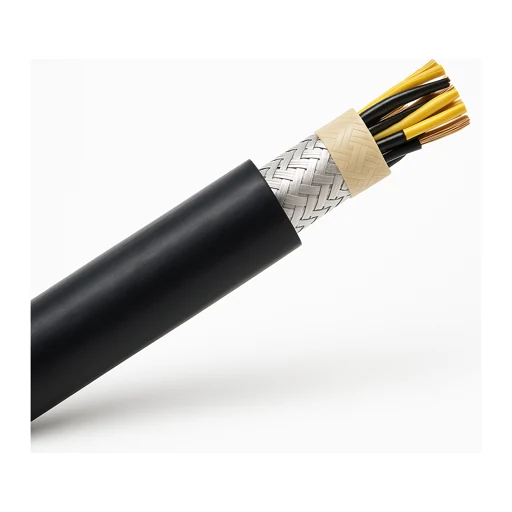
Кеме/мунай-газ/шахта кабелдери
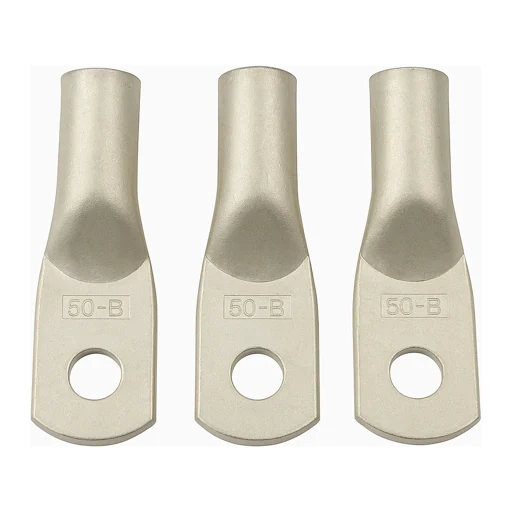
Кабель аксессуарлары
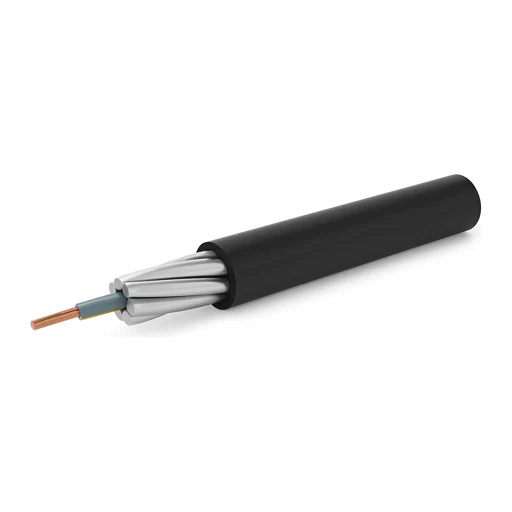
Оптикалык-була кабелдери
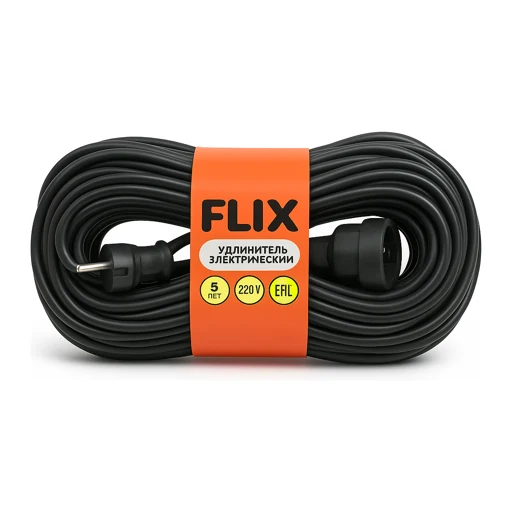
Зымдар жана узарткычтар
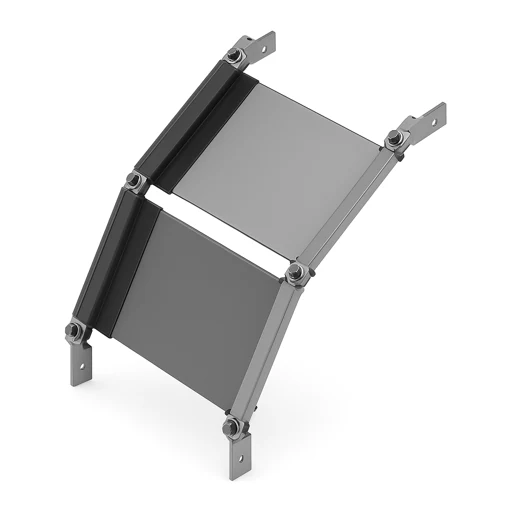
Башка кабель буюмдары
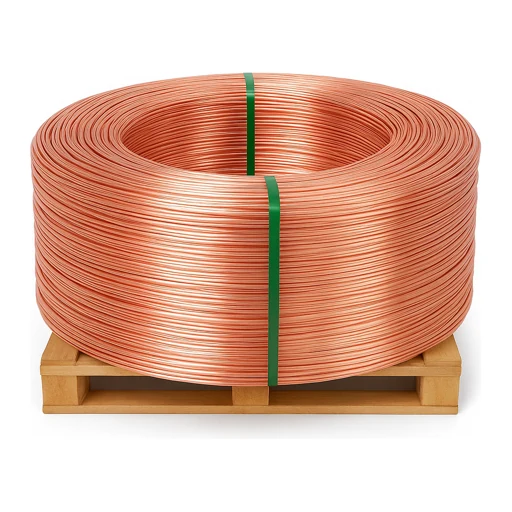
Жез жана алюминий шиналар
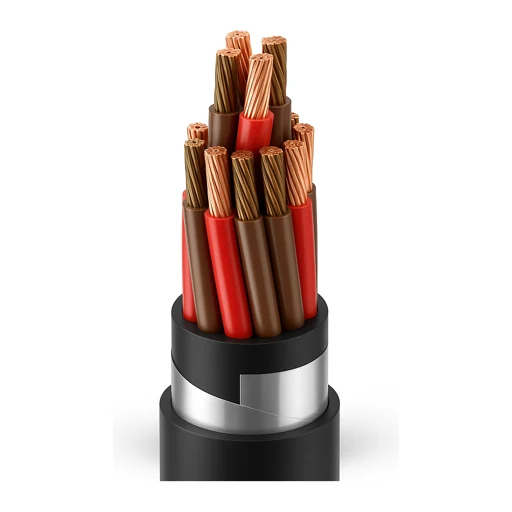
Термоэлектроддук кабелдер
Монтаждык зымдар
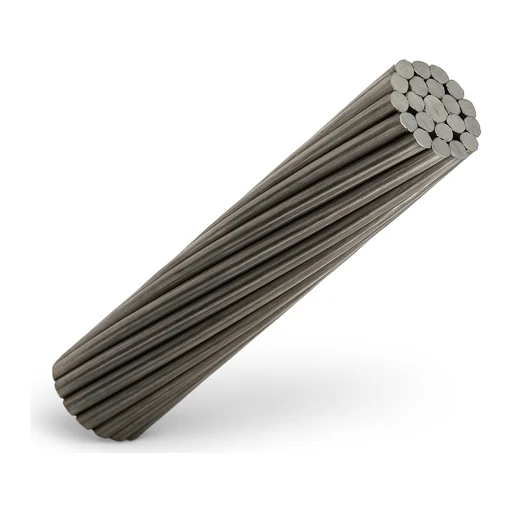
ВЛ үчүн изоляцияланбаган зымдар
Орогуч жана эмалдалган зымдар
Башка
Товарлар — Кабелдер жана зымдар
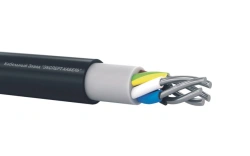
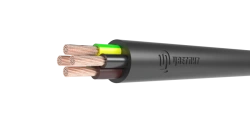
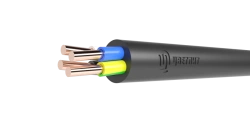
Кабелдер күчтүү 1ден 3 кВга чейин напряжение менен ПВХдан жасалган аз күйүүчү изоляция жана кабык менен АВКаШвнг(А)
сом 52.20-522
EXPERT-KABEL LLC 🇷🇺


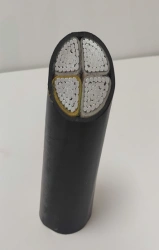
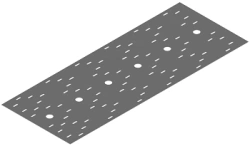
Кабельросттунун негизги бөлүгү DKU 000, габариттик өлчөмдөрү 150х1500 мм ден 1000х3000 мм ге чейин, калыңдыгы
сом 261-3,132
SZ EMI OJSC 🇷🇺
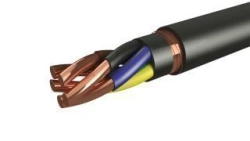
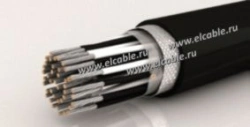
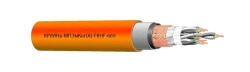
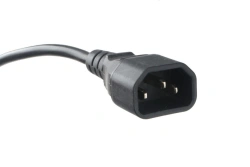
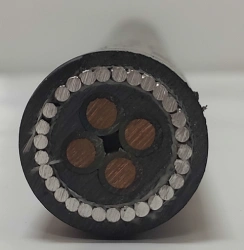
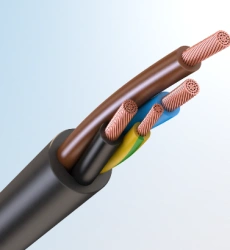
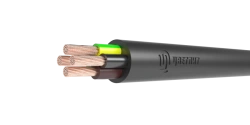
Айры менен арматураланган азыктандыруу кабели ПВС-ВП 3*1,50 C14
сом 52.20-261
ELECTRIC MANUFACTURE LLC 🇷🇺
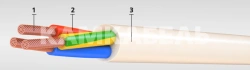
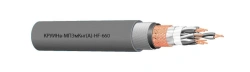
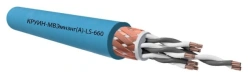

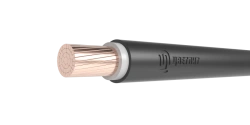

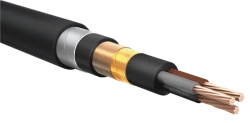
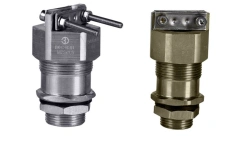

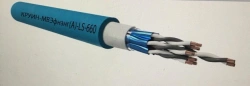
Ийкемдүү кабель 660 жана 1000 В жыштык 60 Гц чейин же 1000 жана 1500 В туруктуу ток үчүн, КГВЭКВ
сом 78.30-313.20
TOMSKKABEL LLC 🇷🇺

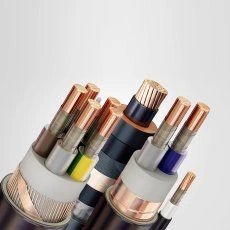
Күч кабели, от жагылууну жайылтпаган, этиленпропилен резинасынан жасалган ХОЛДКАБ® ХОЛДКАБ РэЭКаШрнг(
сом 104.40-1,566
EKZ OJSC 🇷🇺

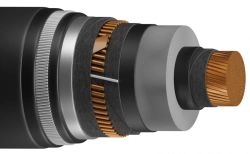
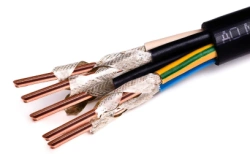
Кабель күч ВВГнг(А)-FRLSLTx-ХЛ номиналдуу чыңалуу 0,66 жана 1 кВ
сом 78.30-313.20
MARPOSADKABEL OJSC 🇷🇺


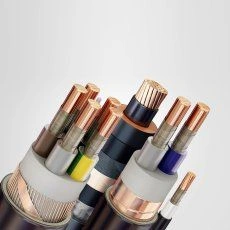
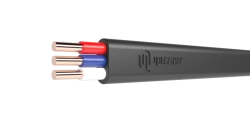
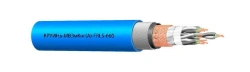
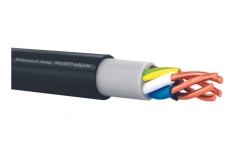
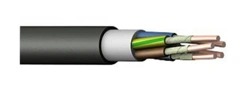
Күч кабелдери 1 ден 3 кВ га чейин ПВХ изоляциясы жана кабыгы менен ВБаШв
сом 52.20-522
EXPERT-KABEL LLC 🇷🇺
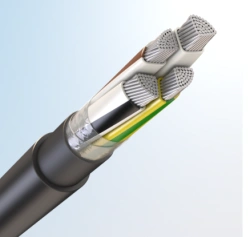
ТОФЛЕКС маркасындагы күч кабелдери, номиналдуу чыңалуу 1 кВ, 50 Гц жыштыктагы алмашуу ток, ТОФЛЕКС АРБаВнг(А)-LS
сом 130.50-835.20
TOMSKKABEL LLC 🇷🇺

От жагылбай турган кабель, этиленпропилен резинасынан изоляциясы бар HoldCab EPR LV SHF(AF)
сом 130.50-522
EKZ OJSC 🇷🇺

FAQ
•How do Russian cable types correspond to IEC designations?
Construction principles match: VVG corresponds to copper PVC-insulated power cable of the IEC 60502-1 type, AVBbShv to armoured aluminium cable, and SIP to aerial bundled conductor. Cross-sections follow the same square-millimetre series. Suppliers issue comparison sheets and full construction drawings so your engineers can approve equivalence against project specifications.
•What is the minimum order — can I buy less than a full drum?
The drum is the practical unit: cutting opens a factory length and most plants avoid it for small remnants. However, plants will wind custom lengths to order — say, 12 drums of 350 metres to match your feeder runs — which is more useful than buying standard lengths and generating offcuts. Project lots start around 5–10 km total.
•Are fire-rated and halogen-free executions available?
Yes. Most power and control families come in low-smoke halogen-free (ng-LS, ng-HF) and fire-resistant (FR) executions, tested for flame spread, smoke density and circuit integrity under fire. State the fire performance class your code requires and the plant will match it and attach the corresponding test protocols.
•What documentation supports a utility tender submission?
Plants provide type test protocols, routine test certificates per drum, EAC conformity declarations, construction drawings and ISO 9001 factory certification. For medium voltage cable, partial discharge and voltage test records are included. This package normally satisfies tender technical files; specific national homologation, where required, is discussed case by case.
•How is cable shipped and how long does it take?
Drums load into containers or open wagons; a 40-foot container carries roughly 15–25 tonnes of cable depending on drum sizes. Production of non-stock positions takes 2–5 weeks. Trucking to Central Asia adds 7–14 days; sea freight from Novorossiysk or St. Petersburg to the Gulf or East Africa runs 25–45 days.
•Can conductors be supplied in aluminium to cut project cost?
Yes, and this is a major lever: aluminium low voltage cable, with 531 listings here, prices well below copper for distribution feeders where the larger cross-section is acceptable. Suppliers will recalculate your copper schedule into aluminium equivalents, showing the cross-section conversion and the cost difference per kilometre, so you can decide line by line.