

Products — Special-Purpose Fabrics

Industrial Equipment Sample 1

Type: Heavy-duty
Material: Steel
Warranty: 2 years

Industrial Equipment Sample 2

Type: Heavy-duty
Material: Steel
Warranty: 2 years

Industrial Equipment Sample 3

Type: Heavy-duty
Material: Steel
Warranty: 2 years

Industrial Equipment Sample 4

Type: Heavy-duty
Material: Steel
Warranty: 2 years

Industrial Equipment Sample 5

Type: Heavy-duty
Material: Steel
Warranty: 2 years

Industrial Equipment Sample 6

Type: Heavy-duty
Material: Steel
Warranty: 2 years

Industrial Equipment Sample 7

Type: Heavy-duty
Material: Steel
Warranty: 2 years

Industrial Equipment Sample 8

Type: Heavy-duty
Material: Steel
Warranty: 2 years

Fabrics That Must Not Fail: Flame-Resistant, Antistatic and Camouflage Cloth

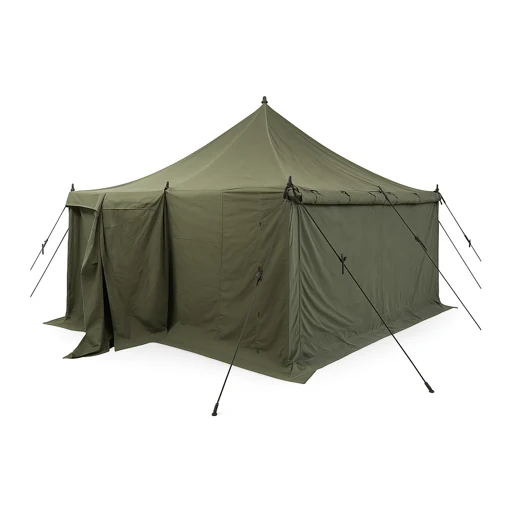
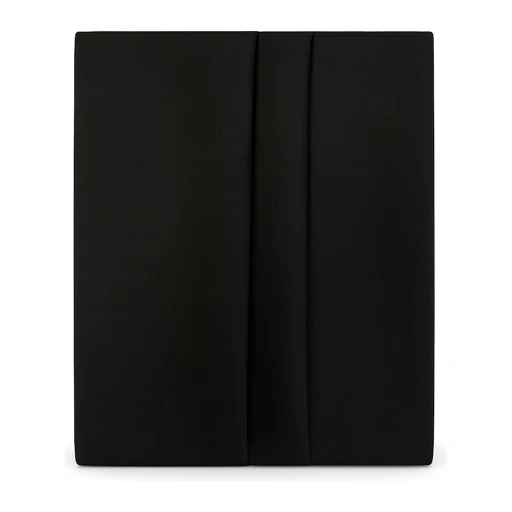
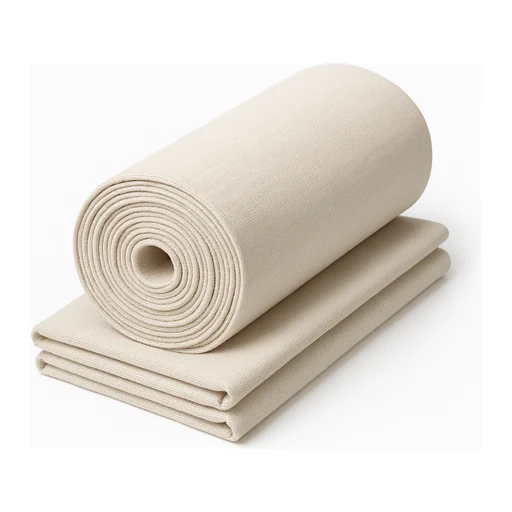
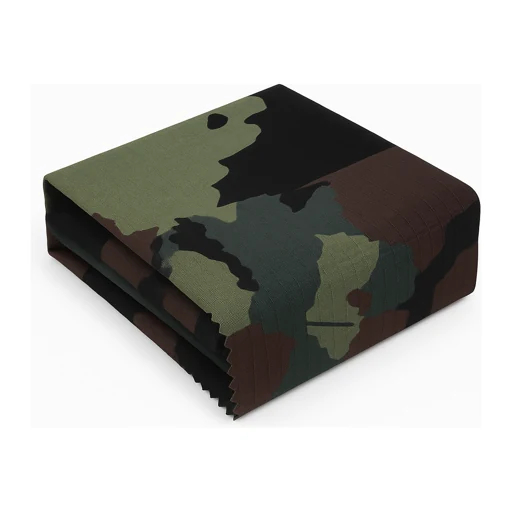
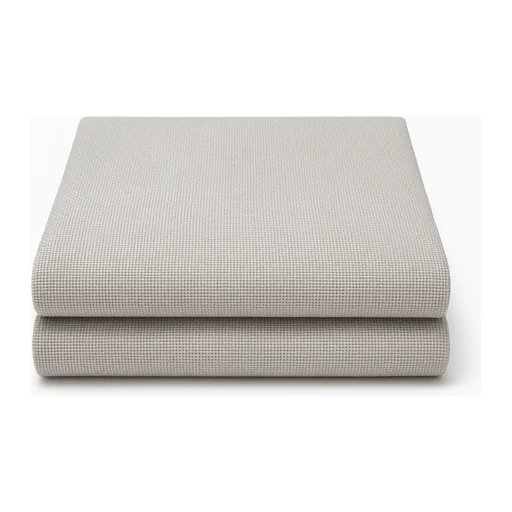
This is a small category with a serious mandate - 203 positions from 44 mills, covering fabrics whose performance is a safety matter. The largest groups are camouflage fabrics (49 articles) and flame- and heat-resistant cloth (44 across two subcategories), followed by service fabrics woven to the specifications of Russian uniformed agencies and industrial corporations, workwear bases, antistatic articles for fuel and electronics environments, and electrical-insulating fabrics.

The competence here comes from demand: Russian oil, gas and metallurgical industries operate under strict workwear rules, and mills supplying them must pass repeated certification of flame resistance, antistatic properties and durability under GOST test methods. The same looms produce export cloth. A workwear manufacturer in Kazakhstan, Algeria or the Gulf gets fabric engineered for minus 40 winters and refinery flash-fire risk, with the protective properties documented per batch rather than promised in a brochure.

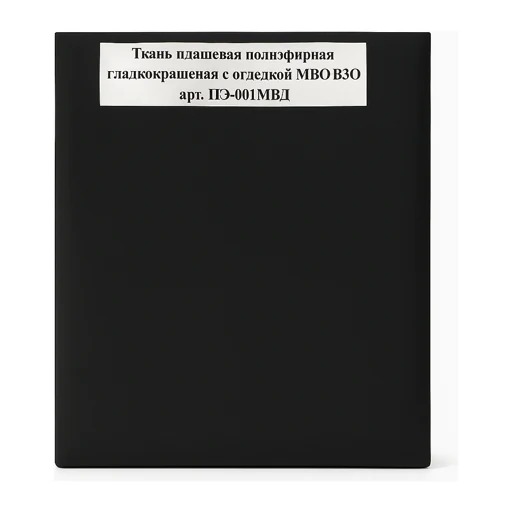
  • Protective core: flame-retardant and heat-resistant articles with declared exposure ratings
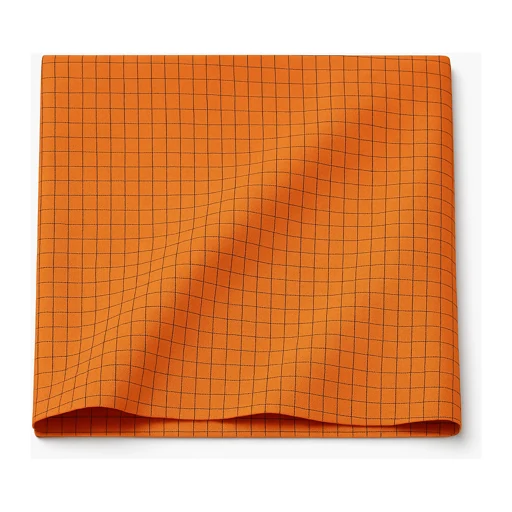
  • Antistatic group: conductive-grid fabrics for fuel handling and explosive atmospheres
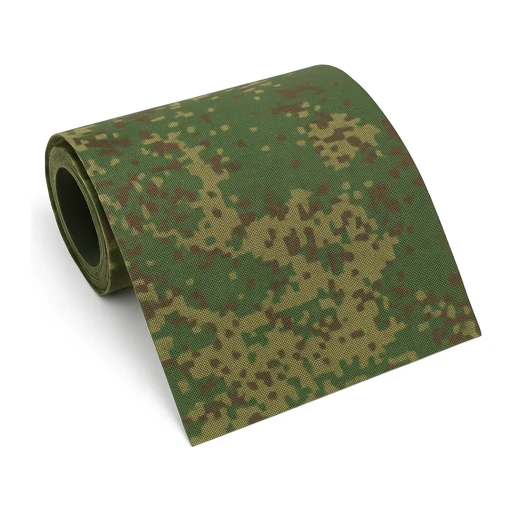
  • Camouflage: 49 patterns and base cloths for hunting, outdoor and uniform sewing
  • Documentation: batch test reports for protective properties on request
  • Trade terms: EXW mill or FCA, with consolidated truck delivery to Central Asia and sea freight beyond

Describe the hazard your garments must protect against, and mills will propose certified articles through a sourcing request.

FAQ

What proof of flame resistance comes with the fabric?
Mills supply test reports under GOST methods showing afterflame time, char length and resistance after repeated washing, plus conformity documentation for the EAEU market. If your buyer specifies international norms such as ISO 11612 parameters, ask the mill which articles have comparable test data and arrange independent confirmation on shipment samples where the contract demands it.
Is the flame retardancy permanent or does it wash out?
Both types exist in this catalog. Treated cotton articles carry an impregnation rated for a stated number of industrial washes, after which protection degrades. Articles using inherently flame-resistant fibers keep their properties for the garment's life. The mill's data sheet states which technology is used - check it against your washing regime before choosing.
Can I import camouflage fabric into my country?
The fabrics are sold as commercial textile goods, but several countries restrict the import or civilian use of camouflage patterns, particularly those resembling local military uniforms. This is a buyer-side question: check your customs and interior-ministry rules before ordering. Hunting-oriented patterns usually face fewer restrictions than military-style ones.
What minimums apply for these specialized articles?
Because protective fabrics are woven and finished in controlled batches, minimums are higher than for ordinary cloth: typically 500-1,000 meters per article and color for production runs. Stocked positions sell from one roll. Sample cuts of several meters are available for testing, and most mills will sew-test cooperation with a trial roll.
Do antistatic fabrics need special handling in garment production?
Sewing is conventional, but the protective logic must be preserved: use the mill's guidance on thread, seam construction and grounding accessories so the conductive grid stays continuous across the garment. The fabric data sheet states surface resistance; your finished garments may need their own conformity assessment depending on the destination market's rules for explosive atmospheres.