

Products — Lining & Technical Fabrics

Industrial Equipment Sample 1

Type: Heavy-duty
Material: Steel
Warranty: 2 years

Industrial Equipment Sample 2

Type: Heavy-duty
Material: Steel
Warranty: 2 years

Industrial Equipment Sample 3

Type: Heavy-duty
Material: Steel
Warranty: 2 years

Industrial Equipment Sample 4

Type: Heavy-duty
Material: Steel
Warranty: 2 years

Industrial Equipment Sample 5

Type: Heavy-duty
Material: Steel
Warranty: 2 years

Industrial Equipment Sample 6

Type: Heavy-duty
Material: Steel
Warranty: 2 years

Industrial Equipment Sample 7

Type: Heavy-duty
Material: Steel
Warranty: 2 years

Industrial Equipment Sample 8

Type: Heavy-duty
Material: Steel
Warranty: 2 years

Lining, Twill and Technical Cloth: the Working Layer of the Garment Trade

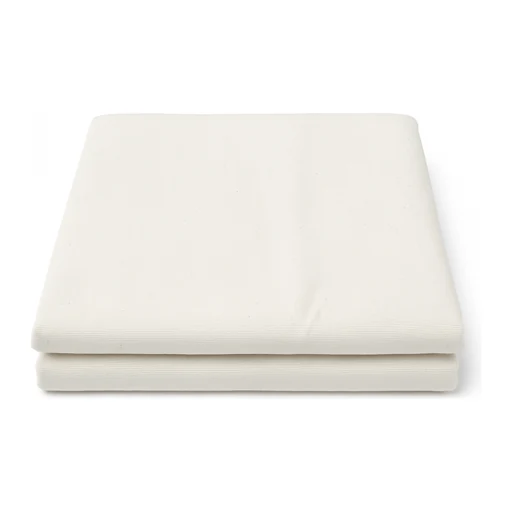
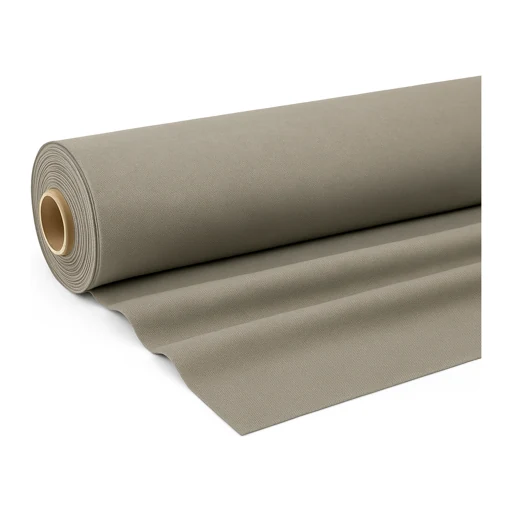
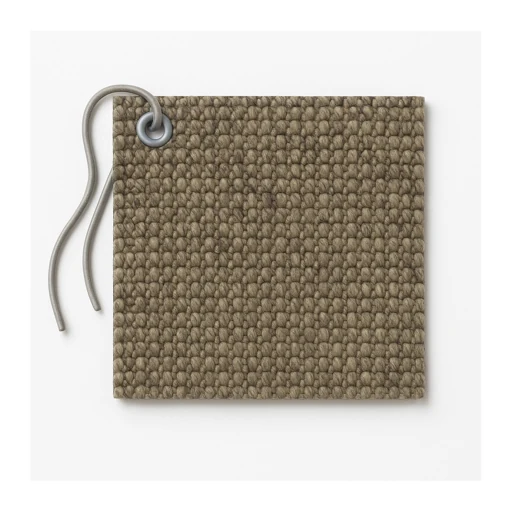
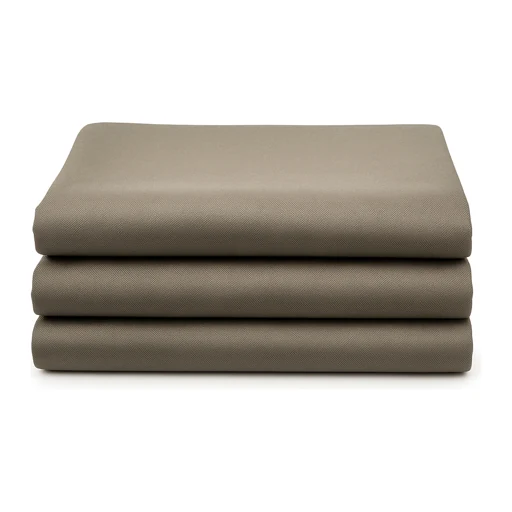
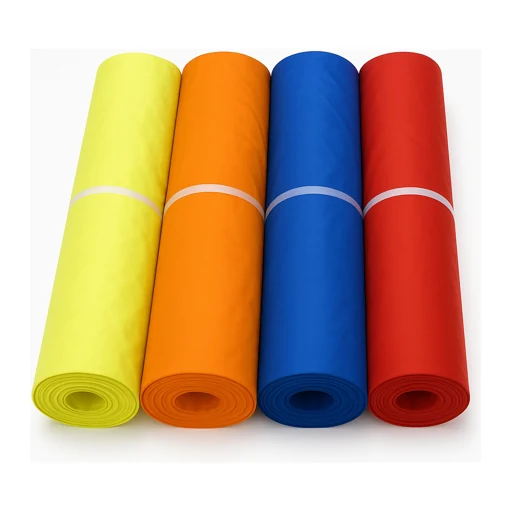
Every workwear jacket, uniform coat and tailored suit consumes lining and supporting fabric, and this section supplies that layer in volume: 666 positions from 108 Russian mills and converters. Lining fabrics form the largest group at 295 articles, alongside technical fabrics, twill and diagonal weaves, canvas and sailcloth, filter fabrics for industrial separation and dedicated tent fabrics.

Russian mills are competitive here because the domestic workwear and uniform industry never moved offshore - it consumes enormous quantities of twill, calico lining and coated nylon every year, keeping looms running and unit costs down. The catalog also includes membrane and water-repellent nylons developed for outdoor and service clothing, articles that are otherwise sourced from a narrow circle of Asian coaters. For garment factories and tent producers in Central Asia, the Middle East and Africa, the route from these mills is short and the specifications are documented.

  • Linings: 295 articles in polyester, viscose blends and cotton for apparel production
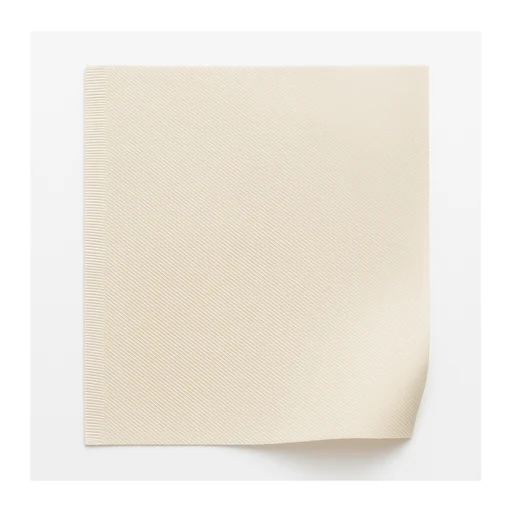
  • Twill and diagonal: the standard base cloth for workwear and uniforms
  • Coated and membrane nylons: water-repellent articles for outdoor and service garments
  • Industrial niche: filter fabrics and canvas for technical applications
  • Terms: roll goods sold EXW or FCA, with truck delivery across the CIS and sea freight via the Black Sea or Baltic ports

Specify the article type, weight and finish you need in a sourcing request, and mills will return prices with technical data sheets.

FAQ

How do I verify water repellency and membrane performance before buying?
Request the technical data sheet stating water resistance in millimeters of water column and any breathability figure, then order a sample cut of 3-5 meters for your own testing. Russian coaters measure under GOST methods that map to ISO equivalents. For tent and outdoor use, test seam-taped samples too - the field result depends on construction, not fabric alone.
What is the minimum order for lining fabric?
Stocked polyester linings sell from one roll, typically 100-150 meters. Custom shades start around 500-1,000 meters per color because lining is dyed in large batches. Garment factories usually order linings together with their shell fabric purchases to share transport, since lining alone rarely fills economical freight volume.
Can filter fabrics be matched to my industrial application?
Yes, but you must specify the medium, particle size, temperature and chemical environment. Suppliers will recommend a fabric by air or liquid permeability rather than by name. Send your current filter cloth parameters or a physical sample for matching; trial cuts for testing in your equipment are normal practice before contract volumes.
Are tent fabrics UV-stabilized for hot climates?
The tent articles listed here were developed for Russian conditions, where UV exposure is real but milder than in the Gulf or Africa. Ask the supplier specifically about UV stabilization and expected service life under your sun exposure. Some coated articles carry stabilizer packages; for desert use, request the heavier-stabilized versions and confirm in writing.
How is payment and delivery usually arranged for roll goods?
The standard pattern is 30-50 percent advance with the balance before dispatch, in a currency agreed with the supplier given current banking routes. Delivery to Central Asia goes by truck in 10-18 days. For the Middle East, Africa and Latin America, sea shipment from Novorossiysk or St. Petersburg takes 30-45 days; consolidated groupage works for sub-container volumes.