
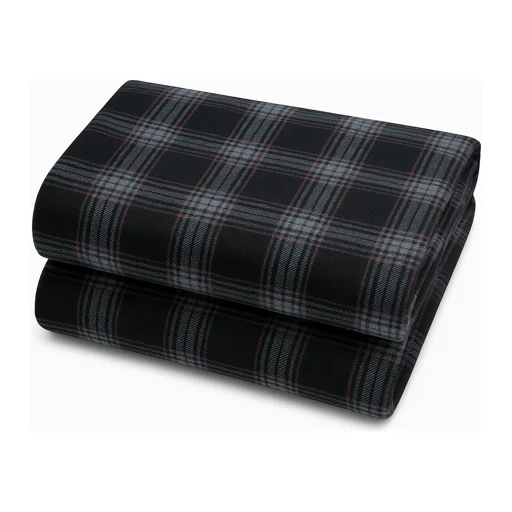
Products — Apparel Fabrics

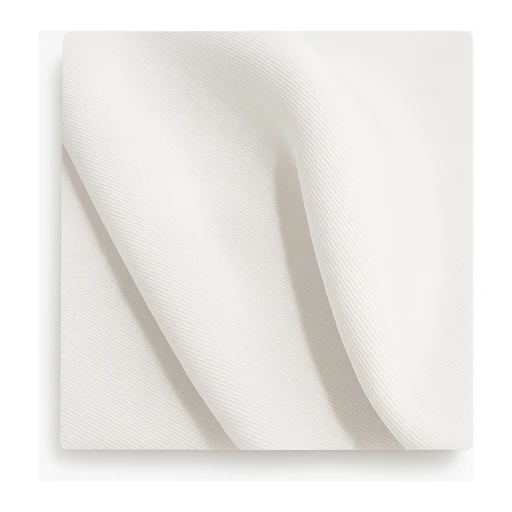
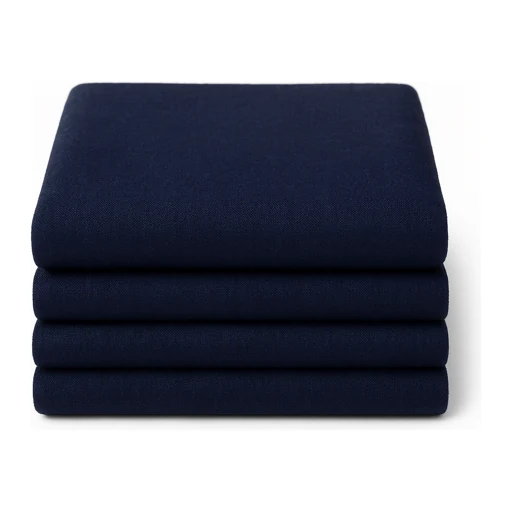
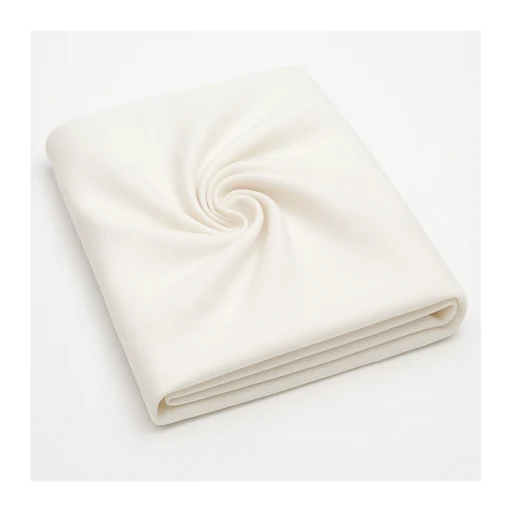
Wool, Worsted and Cotton Apparel Fabrics Milled for Garment Production

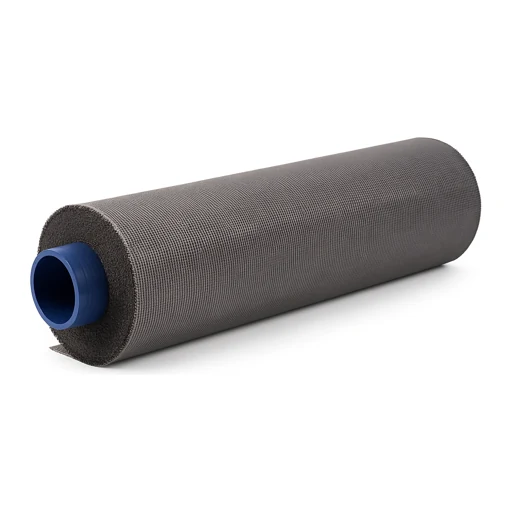
Garment factories sourcing cloth by the roll will find 945 fabric positions here from 96 Russian mills and trading houses. The catalog is unusually strong in wool: 454 wool and worsted listings form the core, backed by 241 cotton fabrics, 91 polyester and synthetic articles, plus focused groups of suiting and dress cloth, linens, printed cottons and blends.

Russia kept a working worsted-spinning and weaving base when many countries outsourced theirs, and the mills still produce uniform-grade and suiting wool at prices aimed at institutional buyers rather than fashion houses. Every article carries a GOST or factory specification stating composition, weight in g/m2 and shrinkage limits, so a sewing factory in Tashkent, Cairo or Bogota can compare cloth on paper before asking for a header card.

  • Wool depth: 454 worsted and woolen articles, from coat cloth to tropical-weight suiting
  • Cotton range: 241 positions including printed and plain-dyed shirting weights
  • Specifications: composition, density and color fastness declared per GOST methods
  • Order format: sold by the roll or by total meters, with minimums per color rather than per design
  • Delivery: rolls travel well by truck to Central Asia and the Caucasus; sea freight via Novorossiysk or St. Petersburg for other regions

Send the composition, weight and meterage you need through a sourcing request, and mills holding matching stock will respond with prices and header samples.

FAQ

What is the usual minimum order per color or article?
For stocked articles, mills commonly sell from one roll, which is typically 30-60 linear meters. Custom dyeing to your shade usually starts at 300-500 meters per color, and weaving a non-stock article can require 1,000 meters or more. Always ask whether the article is in stock or made to order - lead times differ sharply.
Can I get physical samples before committing to a fabric order?
Yes. Mills routinely send header cards or A4 swatches by courier, usually free or for the cost of shipping. For critical decisions, order a sample cut of 3-5 meters so your own sewing line can test the cloth on the actual garment. Sample dispatch typically takes a few days plus courier transit.
How do Russian fabric specifications compare to international ones?
Russian mills declare parameters under GOST test methods: fiber composition, surface density in g/m2, breaking strength, shrinkage and color fastness grades. The measured properties translate directly to ISO equivalents, and most exporting mills can provide a specification sheet in English. If your market requires specific lab confirmation, third-party testing can be arranged on shipment samples.
What lead time should a garment factory plan for?
In-stock fabric ships within 5-10 days of payment. Dye-to-order typically takes 20-35 days, and weaving a custom article 45-60 days. Add transit: 7-15 days by truck to Central Asia, or roughly 30-45 days by sea to the Middle East, Africa or Latin America depending on the routing.
How is payment usually structured with Russian mills?
The common arrangement is an advance of 30-50 percent to start production or reserve stock, with the balance before dispatch. Established relationships often move to more flexible terms. Payment routes depend on your country's banking links with Russia, so confirm the workable currency and channel with the supplier at the quotation stage.
Is wool suiting from these mills suitable for hot climates?
Several mills weave tropical-weight worsted in the 180-240 g/m2 range, originally developed for summer uniforms. These breathe better than polyester suiting and hold a crease well. Specify your target weight and any blend requirements in the request, since the heavier coat-weight articles that dominate the catalog will not suit equatorial markets.