
Products — Access Control & Identity
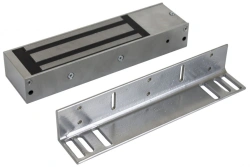
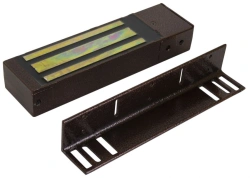
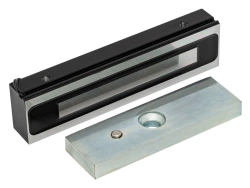
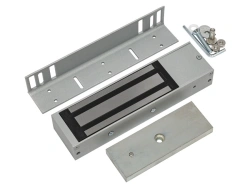
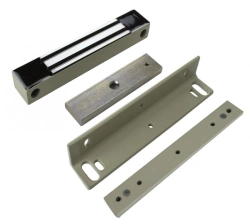
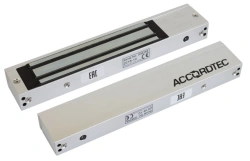
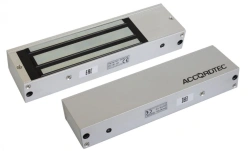
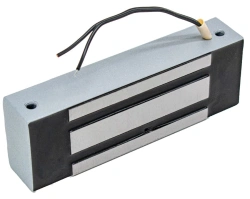
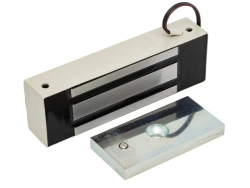
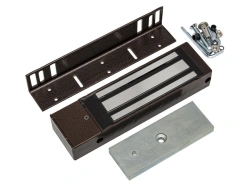
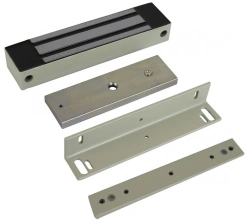
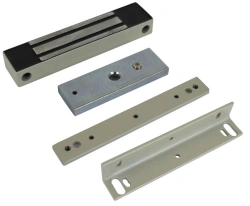
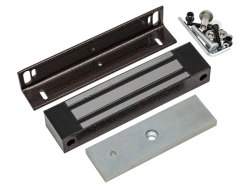
Electromagnetic Lock ML-500A

Electromagnetic Lock ML-500A

$15-48
AKOM LLC 🇷🇺

Post your Buy Requirement

Get Quotes from Verified Suppliers
Save Your Time

Access Control Systems: Controllers, Readers, Turnstiles and Biometrics

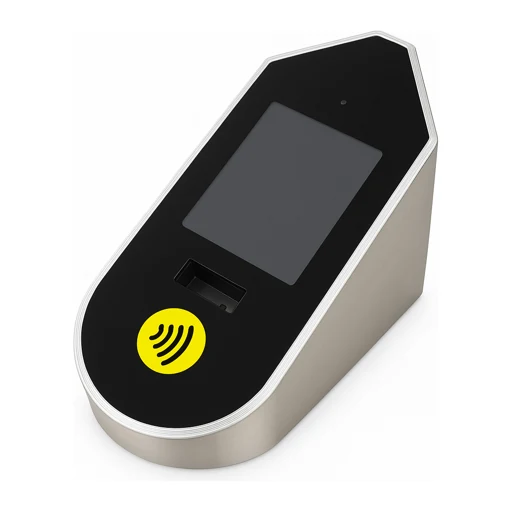
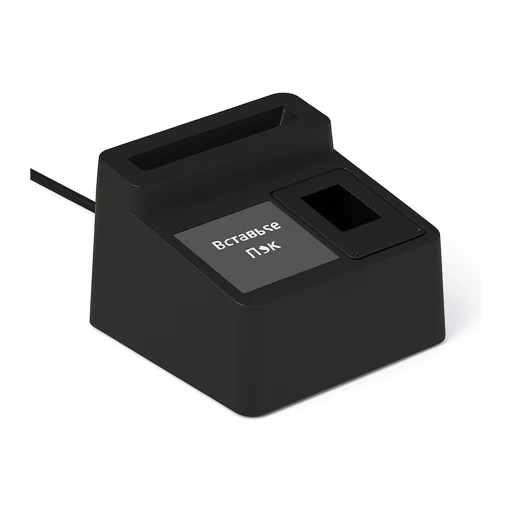
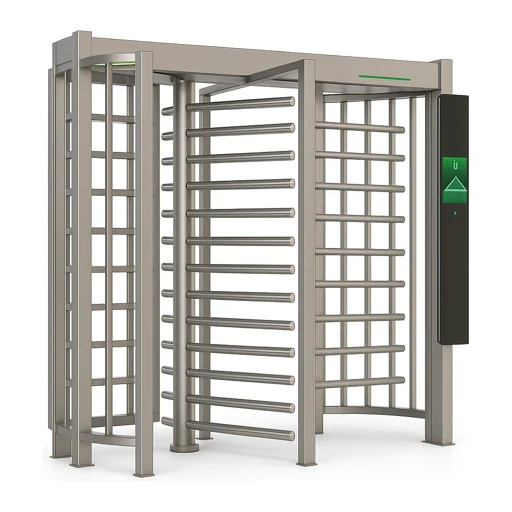
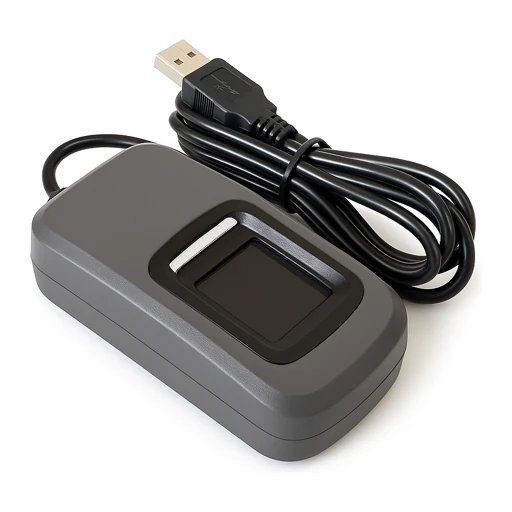
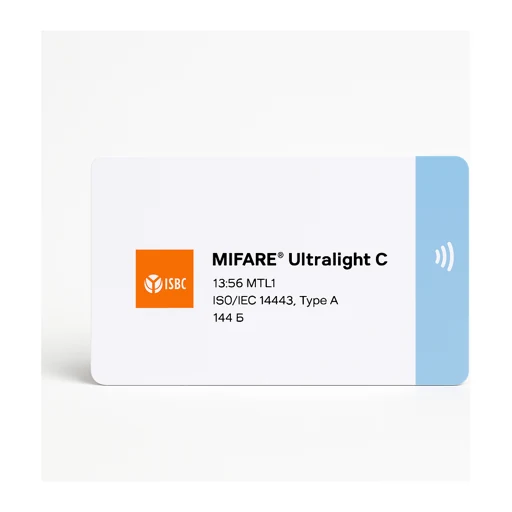
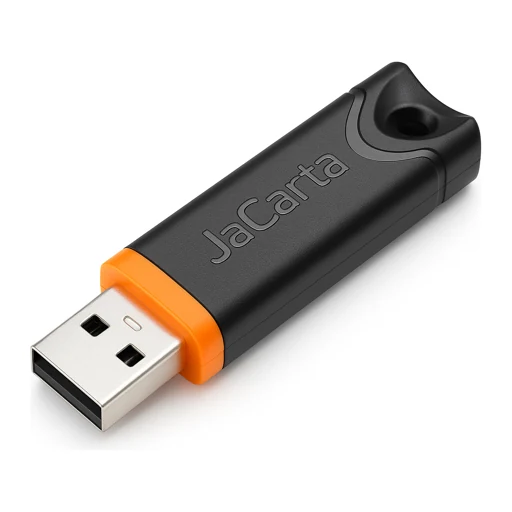
Controlling who enters a building is one of those tasks where overpaying for a Western brand rarely improves the result. Here you will find 490 access control positions from 120 Russian manufacturers: control panels and controllers (82 items), card and RFID readers (81), turnstiles, mantraps and gates (76), biometric terminals (50), plus cards, key fobs, intercoms, electric and electromagnetic locks, and USB tokens with hardware security modules for IT identity management.

Russian access control vendors have spent two decades equipping factories, banks and government sites at home, which shaped products that are honest about their job: metal turnstiles built for hundreds of thousands of passages, controllers that keep working when the network drops, readers for EM-Marine and MIFARE cards. For distributors and system integrators in the Middle East, Central Asia and Africa, the practical draw is price — typically well below European equivalents at comparable build quality — and willingness to do OEM branding.

  • System scale: from a single door kit to networked systems across many sites
  • Protocols: Wiegand, RS-485 and IP-based controllers; check integration needs per project
  • Conformity: EAC marking; certification for your market is the buyer side to arrange
  • Terms: EXW or FOB St. Petersburg; compact electronics often go by air
  • Support: manuals, SDKs and configuration software, typically with English versions

Outline your project — number of doors, reader types, throughput — in a sourcing request and receive matched proposals from manufacturers.

FAQ

Will these readers and controllers integrate with software we already use?
Many controllers use open interfaces — Wiegand for readers, RS-485 or TCP/IP for panels — so hardware-level integration is usually feasible. Full software integration depends on the vendor: some provide SDKs and APIs, others expect you to use their own management platform. State your existing software in the inquiry so suppliers can confirm compatibility.
Do biometric terminals work reliably in hot and dusty climates?
Specify your operating environment when requesting quotes. Standard indoor terminals are rated for typical office conditions; for outdoor gates in the Gulf or Africa choose models with appropriate IP-rated housings and extended temperature ranges, which several manufacturers offer. Fingerprint readers degrade with dust, so face-recognition terminals are often the better outdoor choice.
Can turnstiles be ordered with custom finishes or branding?
Yes, this is common. Manufacturers offer stainless steel or painted housings, custom RAL colors, logo placement, and adaptation of card readers to your chosen standard. OEM and private-label arrangements are negotiable at volume — typically from 10–50 units depending on the model and the depth of customization.
What is a realistic minimum order and lead time?
Readers, cards and small controllers usually ship from one piece or small cartons. Turnstiles and mantraps are made to order in most cases, with lead times around 20–45 days for standard models and longer for customized units. Consolidated shipments of mixed equipment for one project are normal practice.
What documentation accompanies an export shipment?
Expect commercial invoice, packing list, EAC declaration of conformity, user and installation manuals, and wiring diagrams. Test certificates for locks and turnstile mechanisms are available from most factories. If your market requires local certification, suppliers can provide the technical files needed for your conformity process.