
Products — Optical Transceivers & Modules
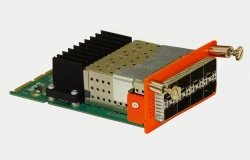
Network Module OCP 3.0 4x10G SFP+ (FLAB.467149.001)

Network Module OCP 3.0 4x10G SFP+ (FLAB.467149.001)

$150-480
NEW PLATFORMS LLC 🇷🇺
OCP 3.0 Network Module 8x1G SFP (FLAB.467149.002)

OCP 3.0 Network Module 8x1G SFP (FLAB.467149.002)

$150-540
NEW PLATFORMS LLC 🇷🇺

SFP, QSFP and CWDM/DWDM Transceivers — Optical Modules Tested Before Dispatch

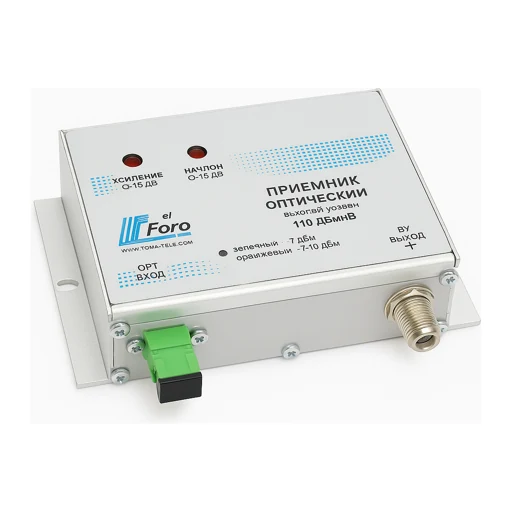
This 630-item section is unusually concentrated: 55 suppliers, most of them specialised optical-module houses, offering SFP and SFP+ transceivers (305 positions), higher-rate optical transceivers and transponders (170), QSFP and XFP modules (54), optical distribution frames and panels (73), receivers and components. Distances run from short-reach multimode links to long-haul CWDM and DWDM modules covering tens of kilometres at 10G and above.

The business model in this niche matters more than the country of origin: serious module suppliers code each transceiver for the buyer's switch platform, test it in real equipment before shipping, and document optical power and sensitivity per serial number. Russian optical houses follow exactly this practice, serving domestic carriers and data centres, and their export pricing sits well below Western brand modules of equal specification — a difference that scales fast when an ISP buys hundreds of optics a quarter.

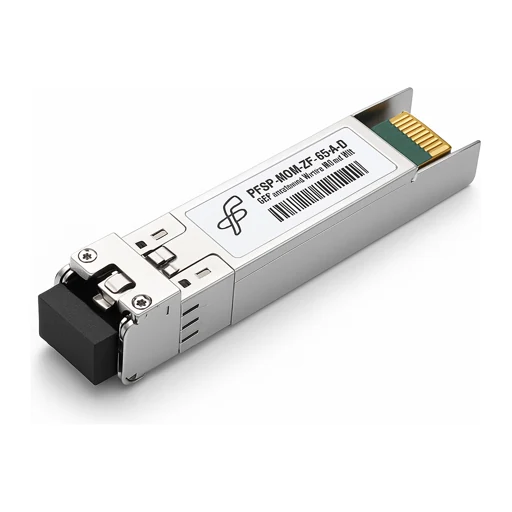
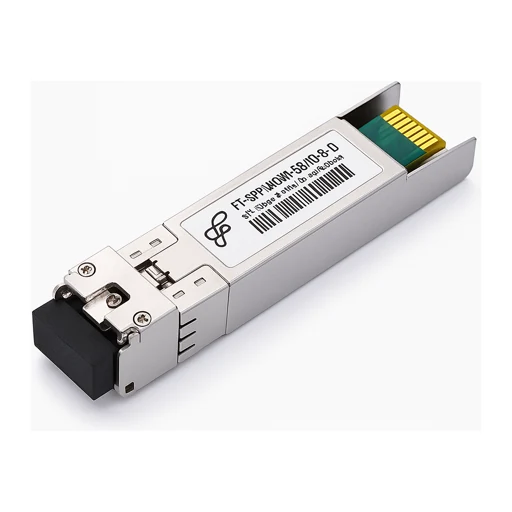
  • SFP/SFP+: 1G and 10G modules in standard wavelengths, reaches and DDM support
  • WDM: CWDM and DWDM optics for fiber-lean backbone and metro links
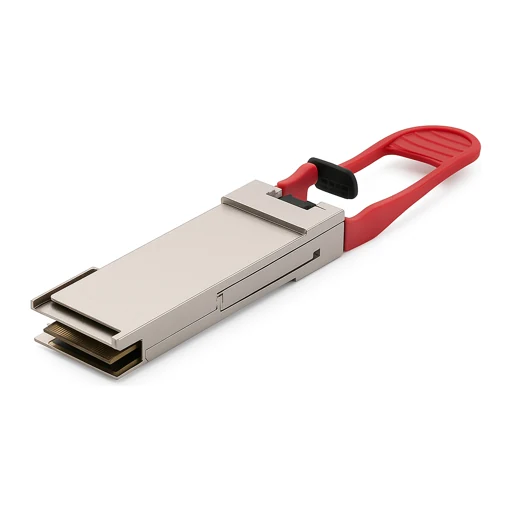
  • 40G/100G: QSFP-class modules for aggregation and data-centre interconnects
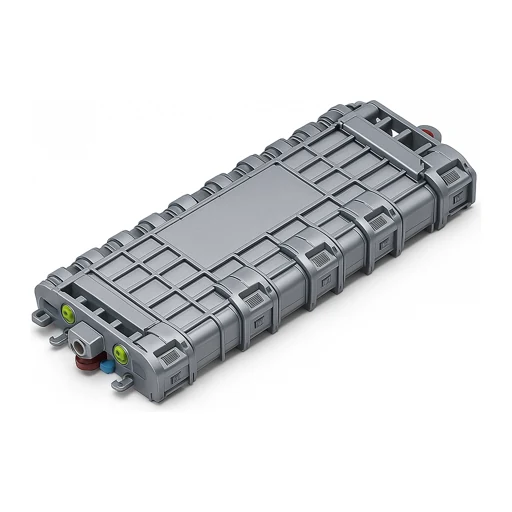
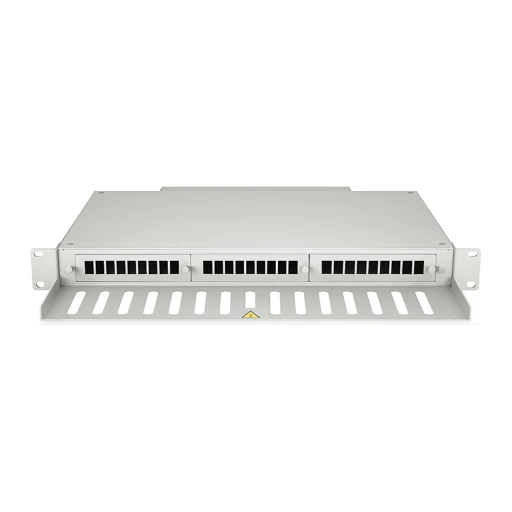
  • ODF: distribution frames and patch panels to terminate the fiber plant
  • Logistics: grams per unit — courier delivery worldwide in roughly a week

Include your switch models and link budget in a sourcing request so modules arrive coded, tested and ready to plug.

FAQ

Will these transceivers work in our existing switches?
Yes, with correct compatibility coding. Optical modules follow standard MSA form factors, and suppliers program vendor-specific identification for the platform you name — state your switch make and model at order time. For mixed networks, modules can be supplied coded per batch for each platform.
How are the modules tested before shipment?
Reputable suppliers test each module in live equipment, verifying link establishment, optical output power and receiver sensitivity, and can provide per-serial test records on request. For DWDM optics, wavelength accuracy is checked against the channel grid. Ask for the test protocol with your first order to confirm the practice.
What is the typical warranty and failure handling for optics?
Warranties of two to three years are common in this segment. Failed modules are usually replaced rather than repaired: the supplier ships replacements after remote verification, often without waiting for the return given the low unit cost. Failure rates on tested modules are typically a fraction of a percent.
Can we order small mixed batches across speeds and wavelengths?
Yes — mixed orders of different reaches, wavelengths and codings are normal, with many suppliers shipping from 1 to 10 units per position. Because everything travels by courier, an ISP can restock its optics inventory within a week, which is faster than many local distributor channels.
Do you supply DDM/DOM diagnostics and are they readable in our NMS?
Most current modules implement digital diagnostics (DDM/DOM), exposing temperature, voltage and optical power readings through the standard interface, which any mainstream network management system reads. If your monitoring depends on diagnostics, state it explicitly — a small number of budget positions omit DDM to cut cost.