
Products — Testing & Measurement
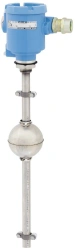
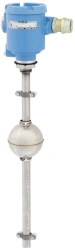
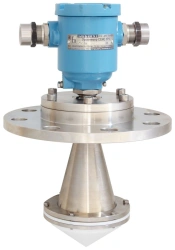
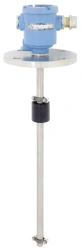
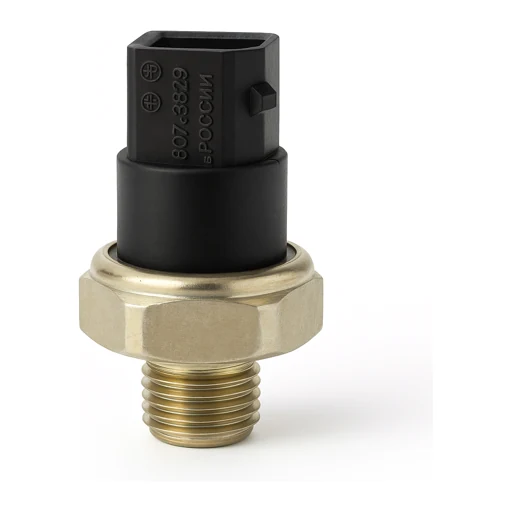
Composite Reed Level Meter PMP-128

Composite Reed Level Meter PMP-128

$900-3,600
SENS LLC 🇷🇺
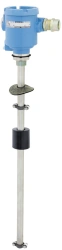
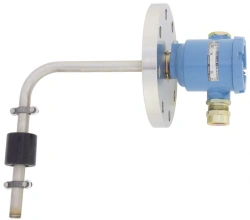
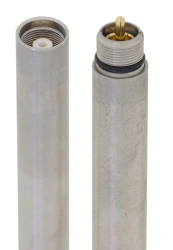
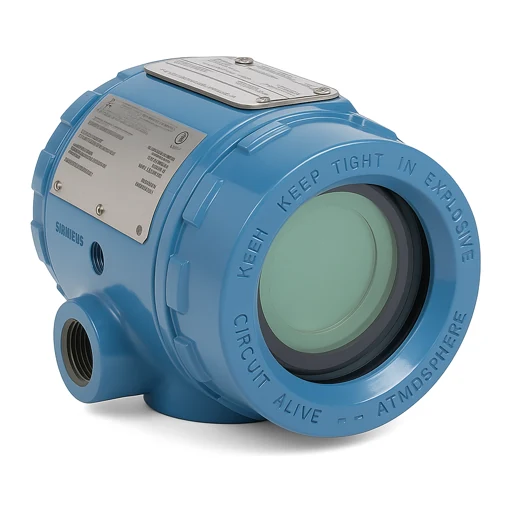
Magnetic Float Level Converter PMP-152

Magnetic Float Level Converter PMP-152

$90-540
SENS LLC 🇷🇺
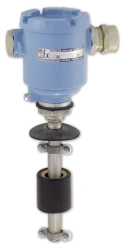
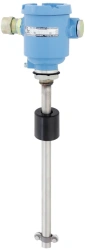
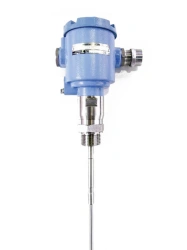
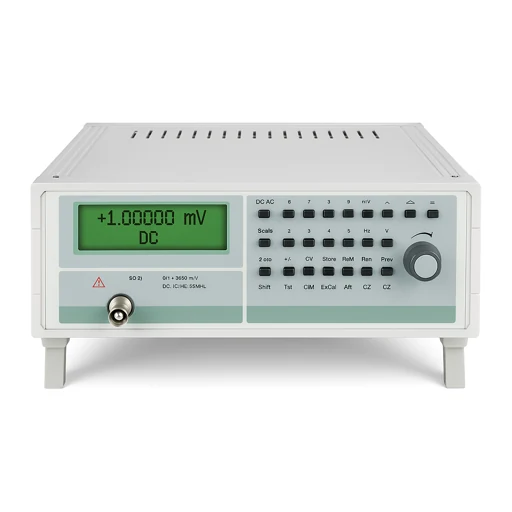
Magnetic Float Level Sensor PMP-022

Magnetic Float Level Sensor PMP-022

$90-360
SENS LLC 🇷🇺
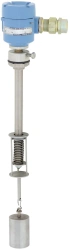
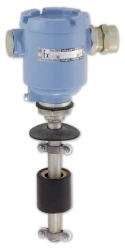
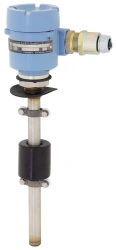
Magnetic Float Level Converter PMP-053

Magnetic Float Level Converter PMP-053

$150-540
SENS LLC 🇷🇺
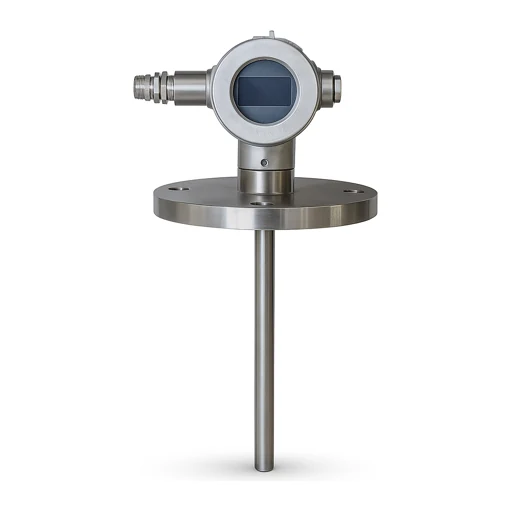
PMP-118 Magnetostrictive Level Transmitter

PMP-118 Magnetostrictive Level Transmitter

$420-1,800
SENS LLC 🇷🇺
Magnetic Float Level Converter PMP-062

Magnetic Float Level Converter PMP-062

$150-540
SENS LLC 🇷🇺
Magnetic Float Level Converter PMP-052

Magnetic Float Level Converter PMP-052

$90-420
SENS LLC 🇷🇺

Post your Buy Requirement

Get Quotes from Verified Suppliers
Save Your Time
Magnetic Float Level Converter PMP-099

Magnetic Float Level Converter PMP-099

$90-300
SENS LLC 🇷🇺

Electrical Test and Measurement Instruments Built on Russia's Metrology Tradition

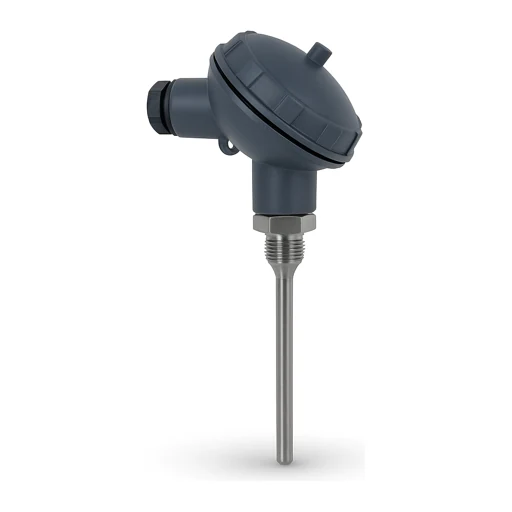
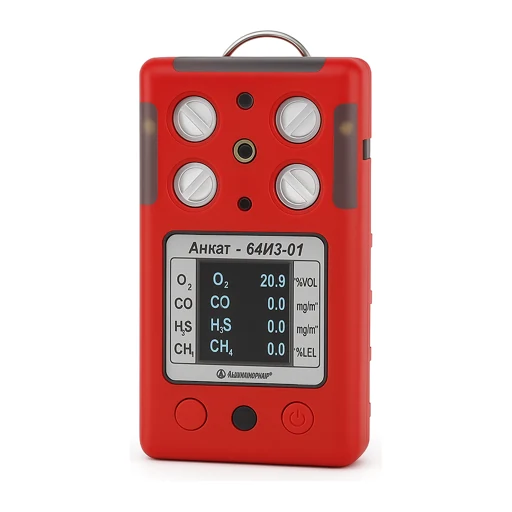
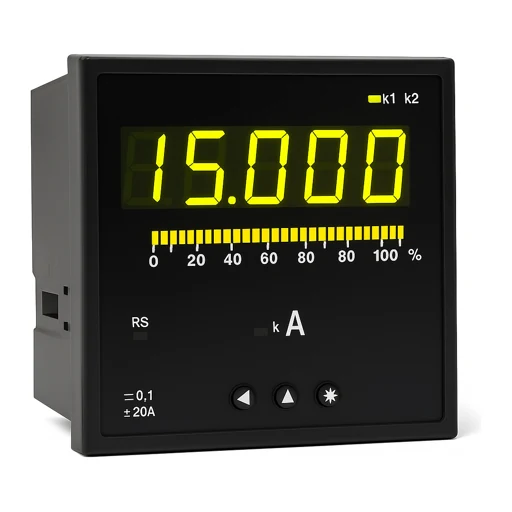
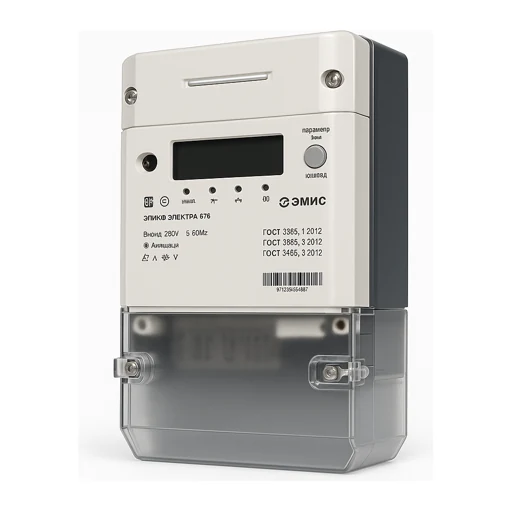
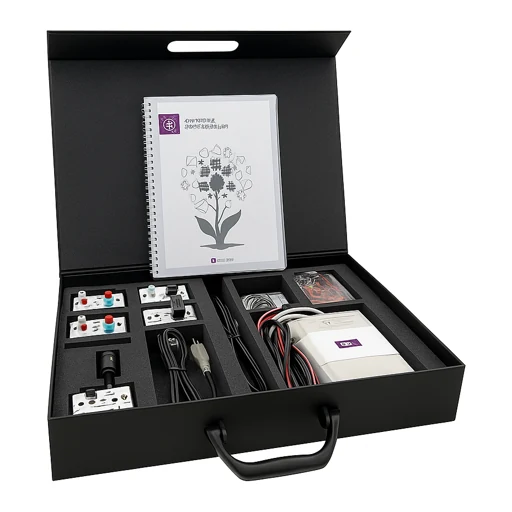
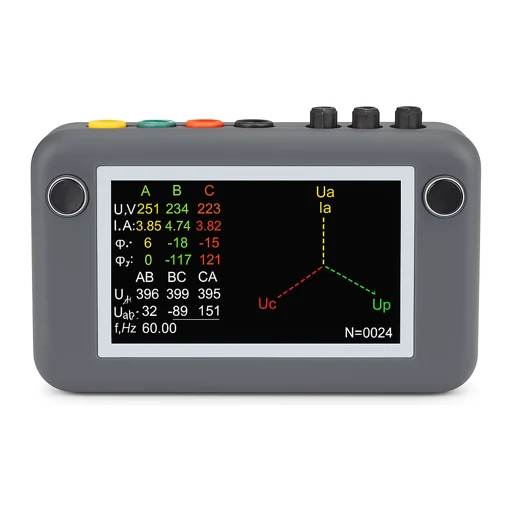
This section gathers 1,441 instrument positions from 332 Russian manufacturers, ranging from shop-floor basics to laboratory-grade equipment. The deepest stock sits in Temperature Sensors & Thermocouples (211 items), Gas Analyzers & Gas Detectors (176) and Panel Meters (115), with strong coverage of Three-Phase Electricity Meters (106), Flow and Level Meters (103) and Megohmmeters and Insulation Resistance Testers (59). Educational Lab Kits and Training Sets (49) serve technical colleges and utility training centres.

Russian instrument-making grew out of a state metrology system that still certifies every production batch against GOST reference standards, so accuracy classes are documented rather than declared. For buyers running utilities, refineries or grid operators in the Gulf, Central Asia or Africa, the practical advantages are concrete:

  • Harsh-environment ratings: many sensors are specified for -40 to +60 C and dusty industrial atmospheres as standard, not as a paid option.
  • Verification documents: instruments typically ship with factory calibration certificates and test protocols.
  • Direct replacement logic: meters and transducers follow IEC-compatible signal standards (4-20 mA, Modbus) common in legacy plants.
  • Sensible MOQs: most factories quote from single units for evaluation, with tiered pricing from 10-50 pieces.
  • Flexible dispatch: EXW factory or FOB St. Petersburg; compact instruments often go by air freight.

Describe the parameter range and process conditions in a sourcing request, and Tonzar will route it to matching instrument plants for quotation.

FAQ

Do Russian electricity meters and panel instruments work with our 50 Hz grid?
Yes in most cases. Russia itself runs a 220/380 V, 50 Hz grid, so single-phase and three-phase meters, ammeters and voltmeters are natively designed for those parameters. If your network differs, for example 60 Hz in parts of Latin America, state it in the inquiry: many factories offer alternative windings or confirm tolerance ranges in the datasheet.
What calibration documents come with the instruments?
Manufacturers typically include a factory calibration certificate or verification protocol referencing GOST metrology standards, plus a passport stating the accuracy class. If your regulator requires local verification, the GOST protocol is usually accepted as the baseline document for re-certification at a national lab.
Can gas analyzers be configured for the specific gases we monitor?
Usually yes. Most Russian gas detection makers build instruments around interchangeable sensor modules, so units can be configured for methane, CO, H2S, oxygen and other common targets at order time. Specify the gas, measurement range and whether you need portable or stationary units, and lead time typically stays within 30-45 days.
What is the minimum order for sensors and thermocouples?
Thermocouples and RTD sensors are frequently made to order by immersion length and thread, so factories accept small trial batches, often from 5-10 pieces. Catalogue panel meters and household electricity meters may carry higher minimums, typically a carton of 10-50 units, because of packaging economics.
How are fragile instruments shipped to the Middle East or Africa?
Small consignments usually travel by air courier or air cargo with rigid foam packing. Larger orders go in consolidated sea containers via FOB Novorossiysk or St. Petersburg, with instruments boxed and palletised. Transit insurance is normally arranged by the freight forwarder; manufacturers pack to survive standard drop-test handling.