

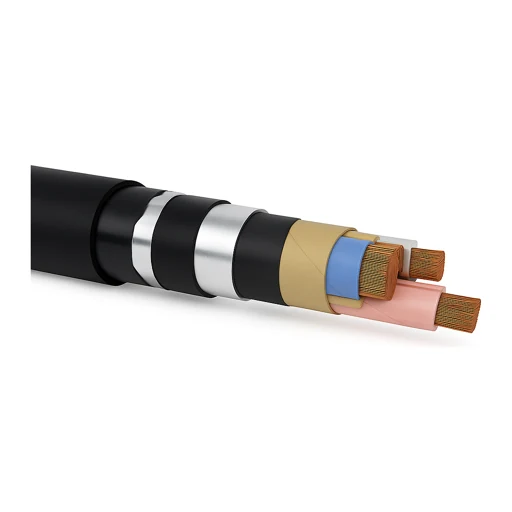
Кабелҳои қувваи паст (то 1 кВ)
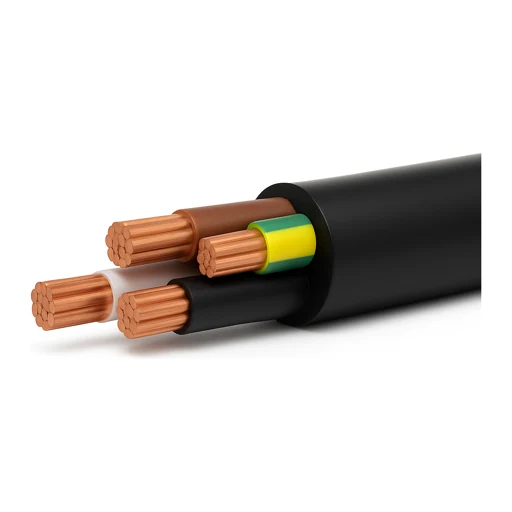
Кабелҳои қувваи миёна (6-35 кВ)
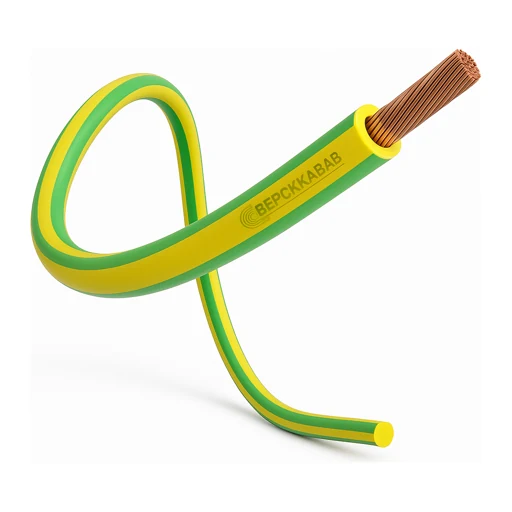
Симҳои насбӣ ва маишӣ
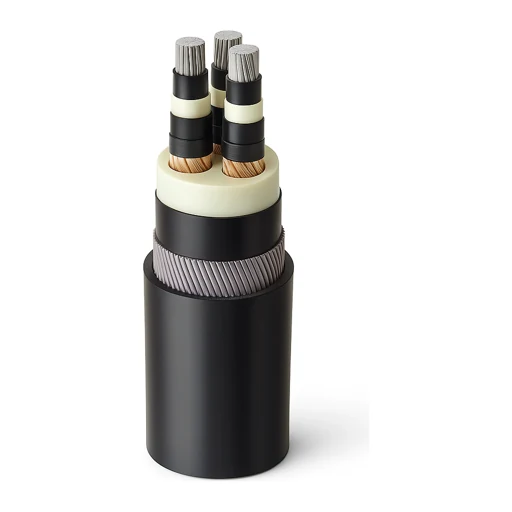
Кабелҳои қувваи паст бо тори алюминӣ
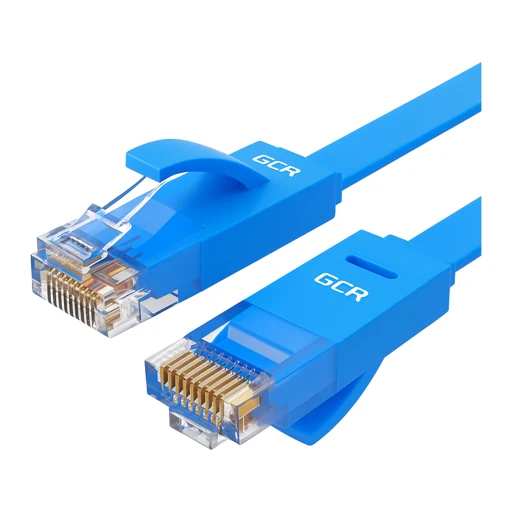
Кабелҳои алоқа, сигнализатсия ва СКС
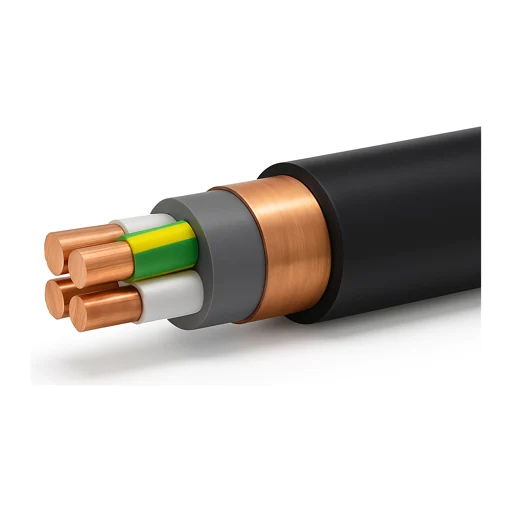
Кабелҳои қувваи паст бо тори мис
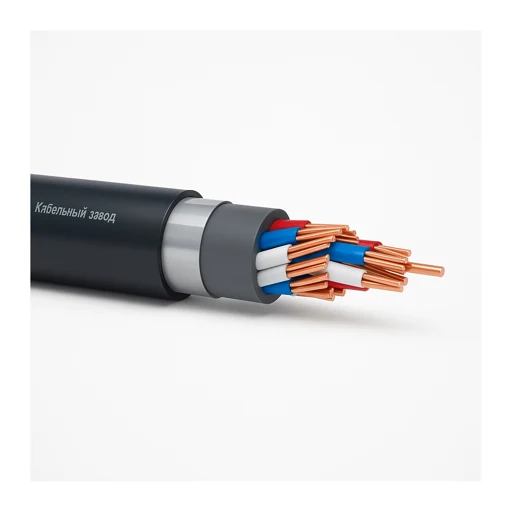
Кабелҳои назоратӣ
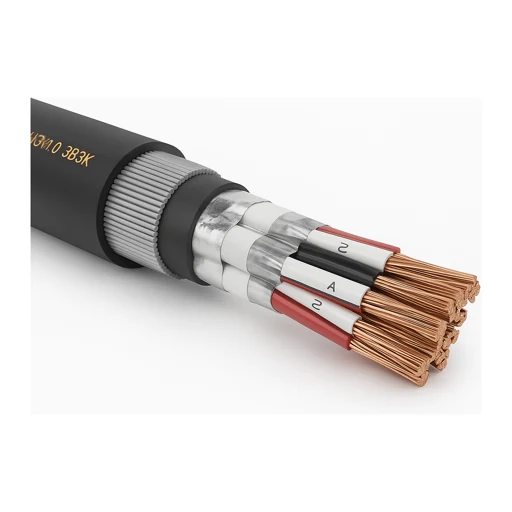
Кабелҳои монтажӣ
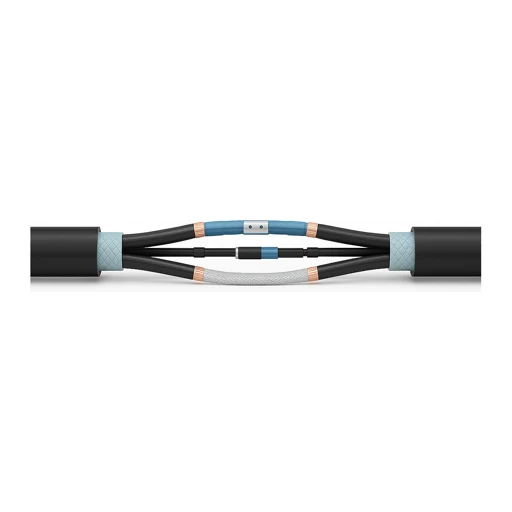
Муфтаҳои кабелӣ
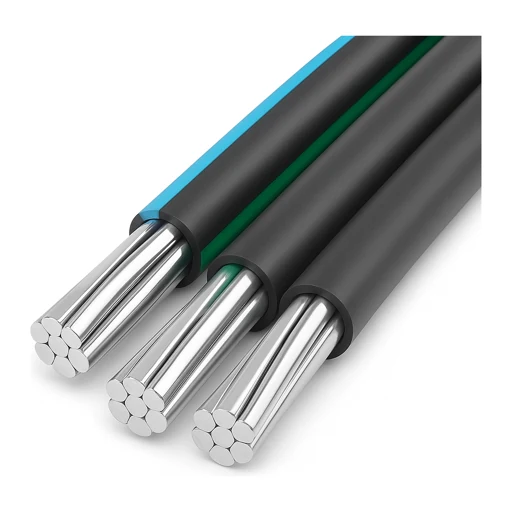
Симҳои худбардор СИП
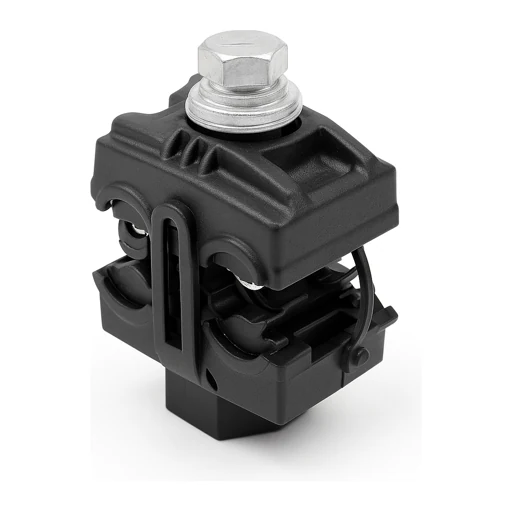
Арматураи симу кабел
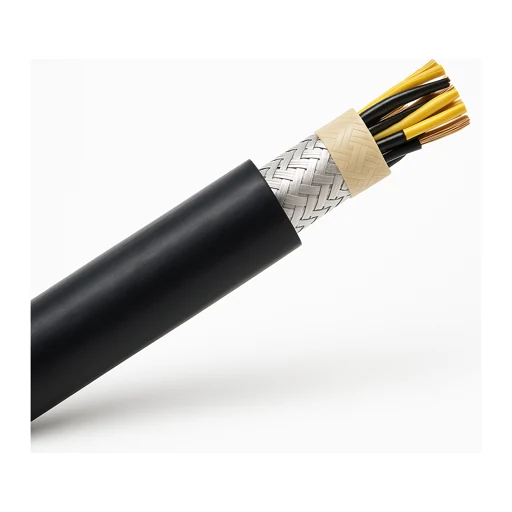
Кабелҳои киштӣ/нефтугаз/маъдан
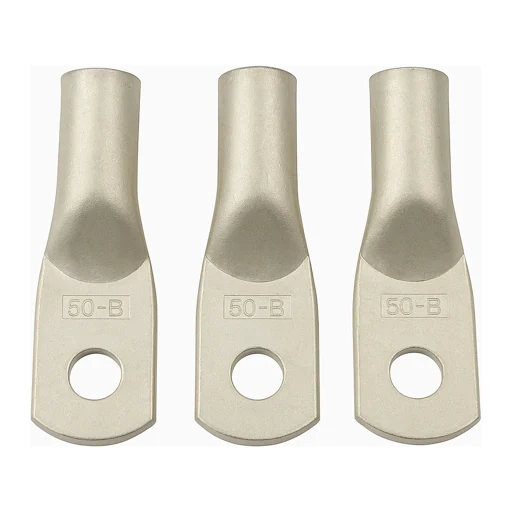
Лавозимоти кабелӣ
Кабелҳои нахи оптикӣ
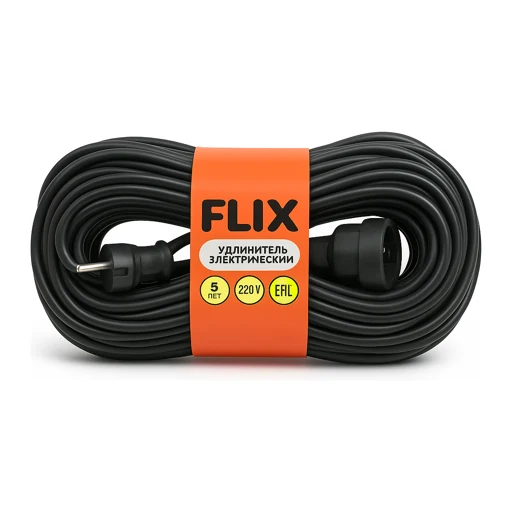
Шнурҳо ва дарозкунакҳо
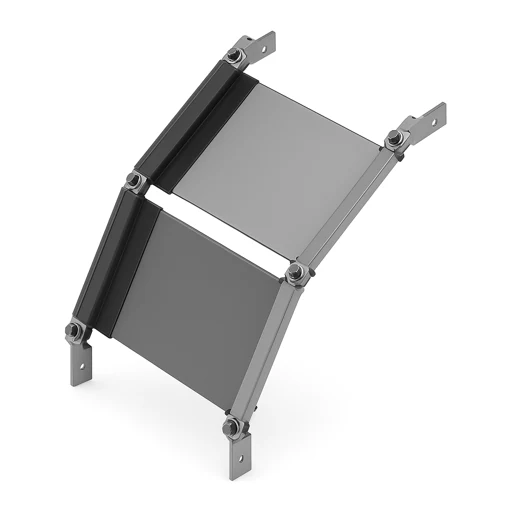
Дигар маҳсулоти кабелӣ
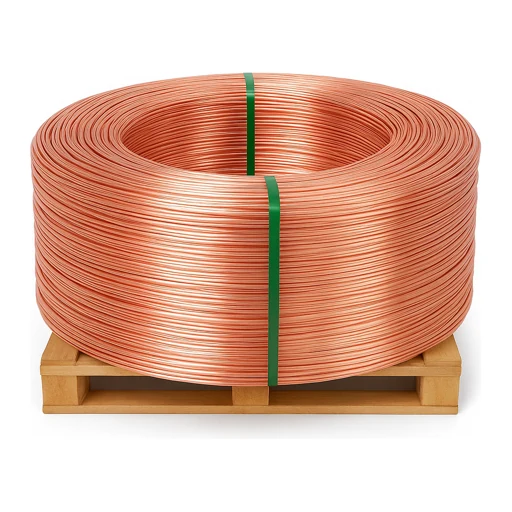
Шинаҳои мис ва алюминӣ
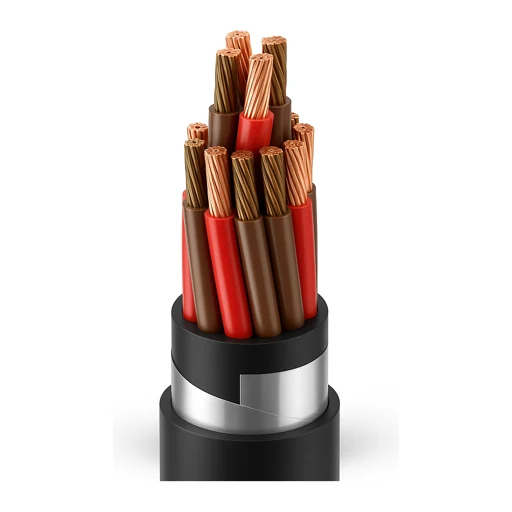
Кабелҳои термоэлектродӣ
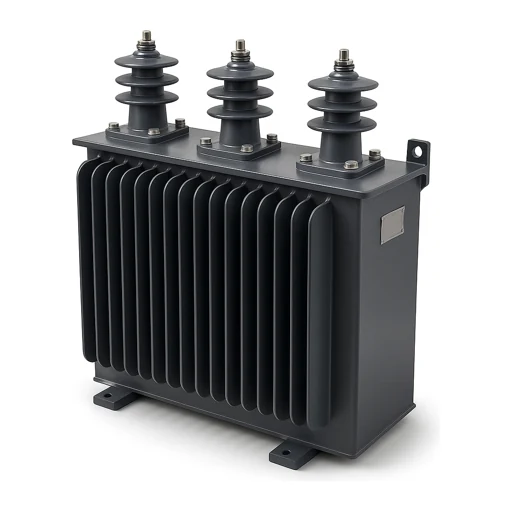
Симҳои монтажӣ
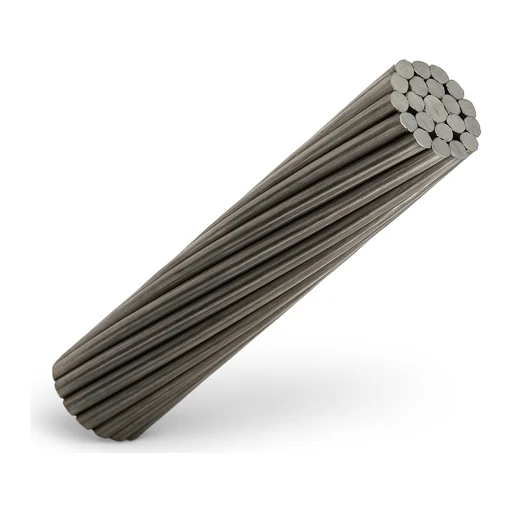
Симҳои бе изолятсия барои хатҳои ҳавоӣ
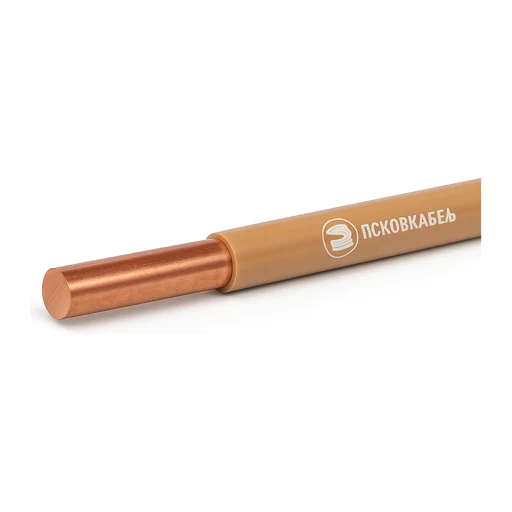
Симҳои печондан ва эмалӣ
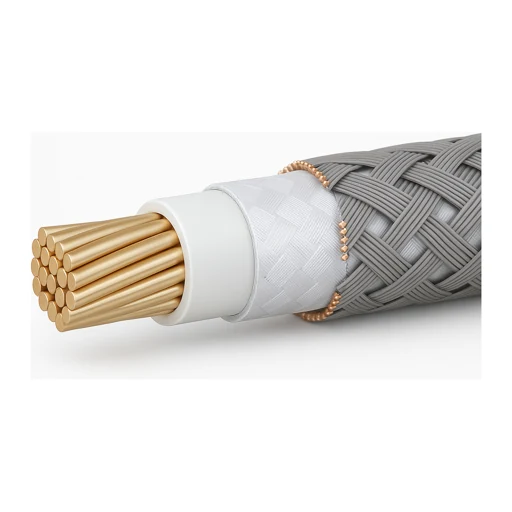
Дигар
Маҳсулот — Кабелҳо ва симҳо
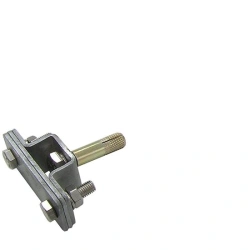
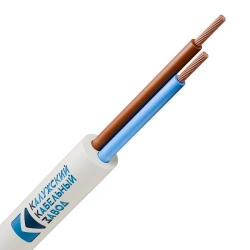
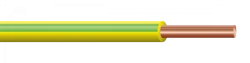
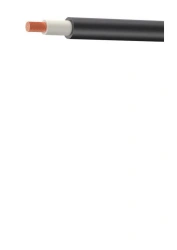
Симҳои мисӣ ва симҳои сплави алюминӣ бо изолятсия аз пластикии поливинилхлорид
сом. 3.27-26.16
KAMSKY CABLE LLC 🇷🇺
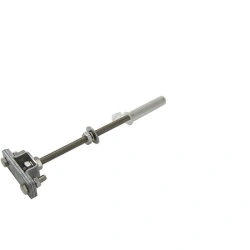
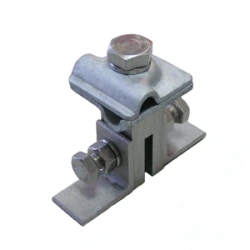
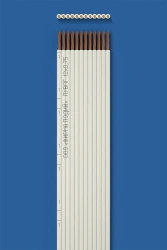
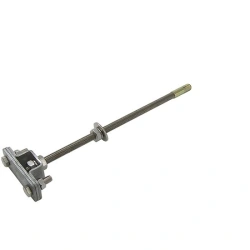
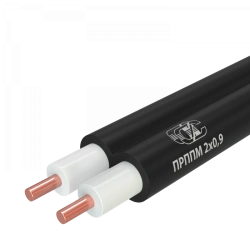
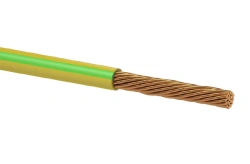
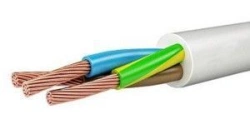
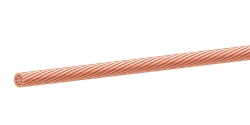
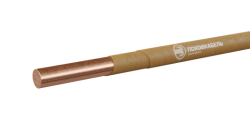
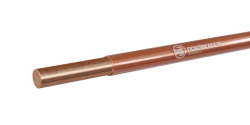
Uninsulated Copper Wire Mark M for Electrical Energy Transmission
сом. 6.54-39.24
KAVKAZKABEL LLC 🇷🇺
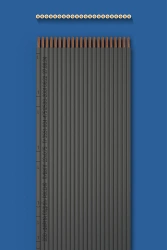
Сими насбкунандаи ҳамвор бо изолятсияи дуқабата (дугона) ПУВВПГ 22х0,75
сом. 1.31-6.54
FIRM PODIY LLC 🇷🇺
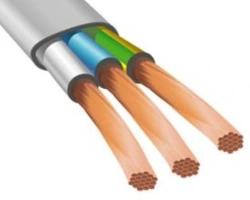
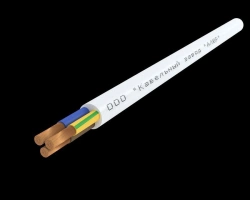

Провод пониженной пожарной опасности барои насбҳои электрӣ ПуВнг(А)-LS
сом. 3.27-26.16
Samara Cable Company OJSC 🇷🇺
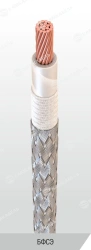
Провод бортовой теплостойкий барои кор дар шиддат то 250 В тағйирёбандаи токи фрекенсия то 6000 Гц ё то 350 В доимии ток
сом. 19.62-196.20
KAMSKY CABLE LLC 🇷🇺
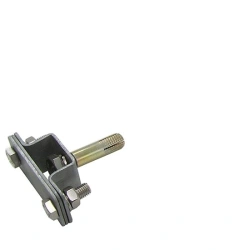
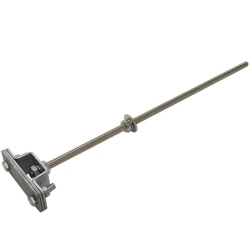
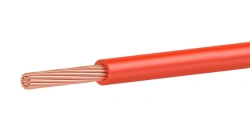
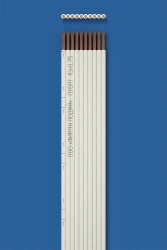
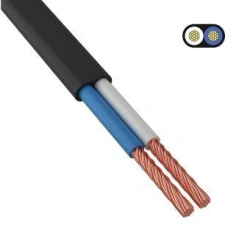
Симплекс бохтҳои поливинилхлоридӣ барои насбҳои электрӣ, бо шиддати номиналӣ то 450 В, (барои шабакаҳо то 450/750 В)
сом. 3.27-26.16
TOMSKKABEL LLC 🇷🇺
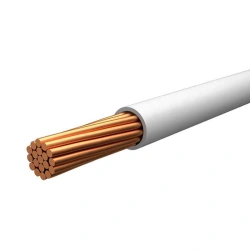
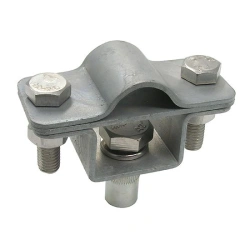
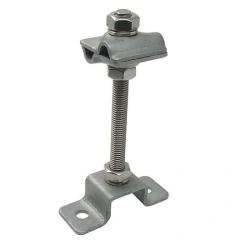
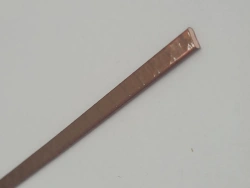
проводҳои обмотка бо сексияи росткунҷа бо изолятсияи полиимидно-фторопластӣ марки ППИПКС-1
сом. 32.70-196.20
MKM-OP LLC 🇷🇺
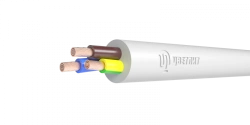
Провод бо скручишудаи миссии бо изоляция ва пӯсти поливиниlхлорид бо хатарнокии ками оташ, ги
сом. 3.27-19.62
TSVETLIT LLC 🇷🇺
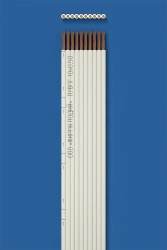
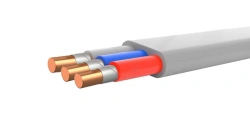
Fire-Resistant Installation Wire, Single, Double, or Triple Core - PuPPng(A)-FRHF
сом. 6.54-39.24
KAVKAZKABEL LLC 🇷🇺
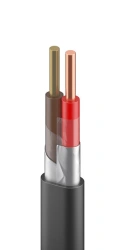
Сими бисёррагаи термоэлектродӣ бо рагҳои якнахии ҷараёнгузар, маркаи ПТВЭВТ
сом. 9.81-39.24
REЖКАБЕЛЬ LLC 🇷🇺
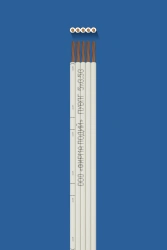
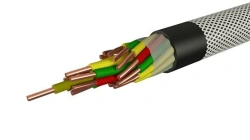
Симплекс боқӣ бо симҳои мисӣ бо изолятсияи резинӣ барои шиддати номиналии тағйирёбандаи 380, 660 В барои насбҳои радио ва электро
сом. 13.08-65.40
KAMSKY CABLE LLC 🇷🇺
FAQ
•How do Russian cable types correspond to IEC designations?
Construction principles match: VVG corresponds to copper PVC-insulated power cable of the IEC 60502-1 type, AVBbShv to armoured aluminium cable, and SIP to aerial bundled conductor. Cross-sections follow the same square-millimetre series. Suppliers issue comparison sheets and full construction drawings so your engineers can approve equivalence against project specifications.
•What is the minimum order — can I buy less than a full drum?
The drum is the practical unit: cutting opens a factory length and most plants avoid it for small remnants. However, plants will wind custom lengths to order — say, 12 drums of 350 metres to match your feeder runs — which is more useful than buying standard lengths and generating offcuts. Project lots start around 5–10 km total.
•Are fire-rated and halogen-free executions available?
Yes. Most power and control families come in low-smoke halogen-free (ng-LS, ng-HF) and fire-resistant (FR) executions, tested for flame spread, smoke density and circuit integrity under fire. State the fire performance class your code requires and the plant will match it and attach the corresponding test protocols.
•What documentation supports a utility tender submission?
Plants provide type test protocols, routine test certificates per drum, EAC conformity declarations, construction drawings and ISO 9001 factory certification. For medium voltage cable, partial discharge and voltage test records are included. This package normally satisfies tender technical files; specific national homologation, where required, is discussed case by case.
•How is cable shipped and how long does it take?
Drums load into containers or open wagons; a 40-foot container carries roughly 15–25 tonnes of cable depending on drum sizes. Production of non-stock positions takes 2–5 weeks. Trucking to Central Asia adds 7–14 days; sea freight from Novorossiysk or St. Petersburg to the Gulf or East Africa runs 25–45 days.
•Can conductors be supplied in aluminium to cut project cost?
Yes, and this is a major lever: aluminium low voltage cable, with 531 listings here, prices well below copper for distribution feeders where the larger cross-section is acceptable. Suppliers will recalculate your copper schedule into aluminium equivalents, showing the cross-section conversion and the cost difference per kilometre, so you can decide line by line.