


Товарлар — Майда ашкана техникасы
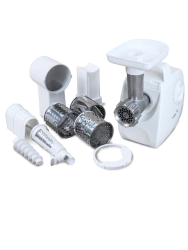
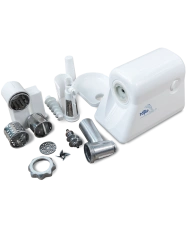
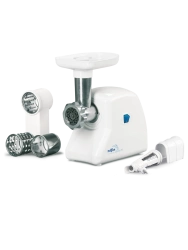
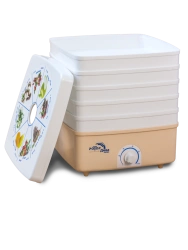
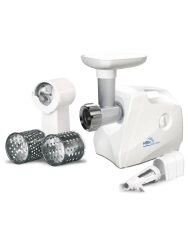
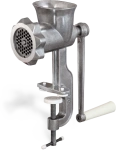
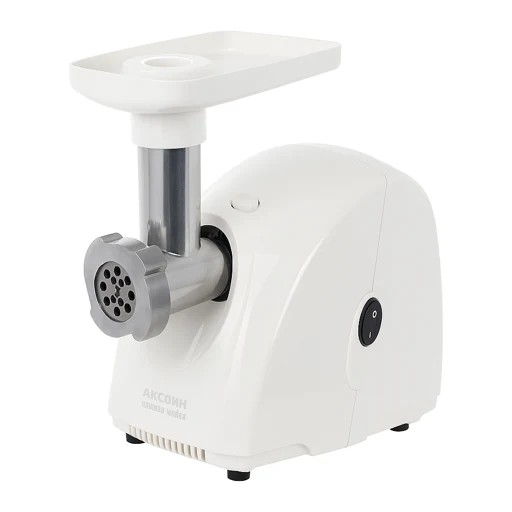
Manual Meat Grinder for Home Use, Perfect for Grinding Meat and Fish - Diva-MRP
сом 1,305-5,220
ROTOR OJSC 🇷🇺
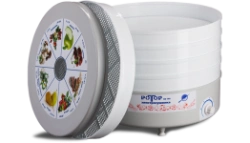
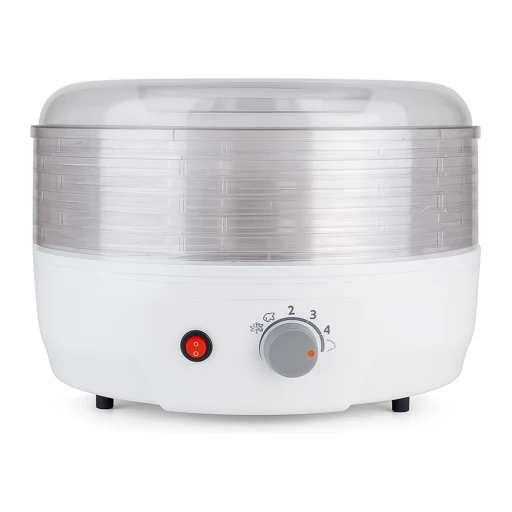
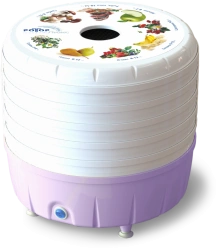
Home Electric Food Dehydrator for Fruits, Vegetables, and More Rotor SSh-002
сом 1,305-4,176
ROTOR OJSC 🇷🇺
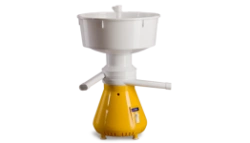
Electric Cream Separator for Home Use - Separates Milk into Cream and Skimmed Milk Rotor
сом 1,827-6,264
ROTOR OJSC 🇷🇺
Post your Buy Requirement
Get Quotes from Verified Suppliers
Убакытты үнөмдөңүз
FAQ
•How do I choose the right capacity grinder or mixer for my shop?
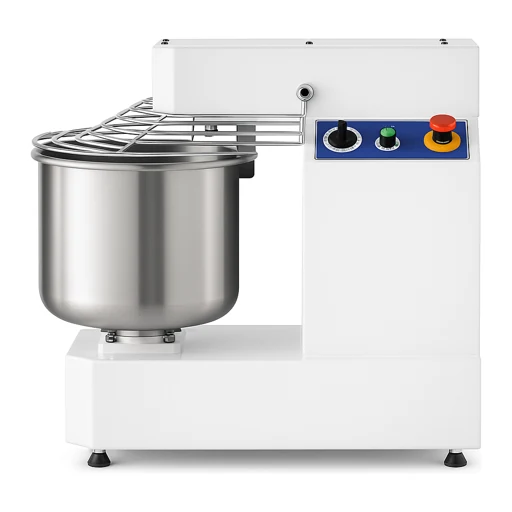
Work from your peak daily output, not the average. Passports state throughput in kg per hour for grinders and bowl volume with dough weight limits for mixers. As a rule of thumb, choose a machine that covers your peak day in two to three working hours, leaving reserve for growth.
•Are these machines single-phase or three-phase?
Compact models up to roughly 1,5-2 kW usually run on 220 V single phase, while production-scale grinders, bowl cutters and mixers need 380 V three phase. Both versions exist for many models, so state your available supply in the inquiry and the factory ships the matching motor configuration.
•What materials touch the food and what documents confirm safety?
Working parts, augers, knives, bowls, separator drums, are stainless steel or food-grade aluminium alloys, with housings in painted steel or stainless depending on grade. Each machine ships with an EAC declaration and a passport stating materials, which typically satisfies import and sanitary inspection requirements.
•How are dairy separators used and what volumes do they handle?
Cream separators split whole milk into cream and skim by centrifuge, and the Russian range runs from 50 litres per hour for farm households to around 1,000 litres per hour for workshop dairies. They suit small cheese and butter production common across Central Asia and Africa where collection volumes are modest.
•What about knives, sieves and other wear parts over time?
Cutting sets, grinder plates, sieves and belts are standardised consumables that factories sell separately and ship by courier. Part numbers are listed in the machine passport. Buyers usually add one or two spare cutting sets per machine to the initial order, which covers the first years of operation.