

Товарлар — Атайын максаттуу маталар



Post your Buy Requirement
Get Quotes from Verified Suppliers
Убакытты үнөмдөңүз
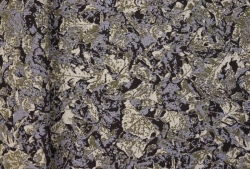
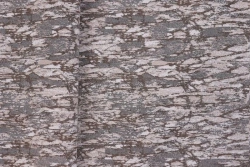
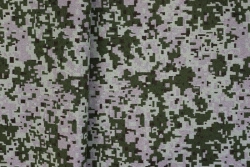

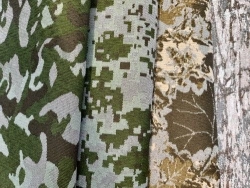
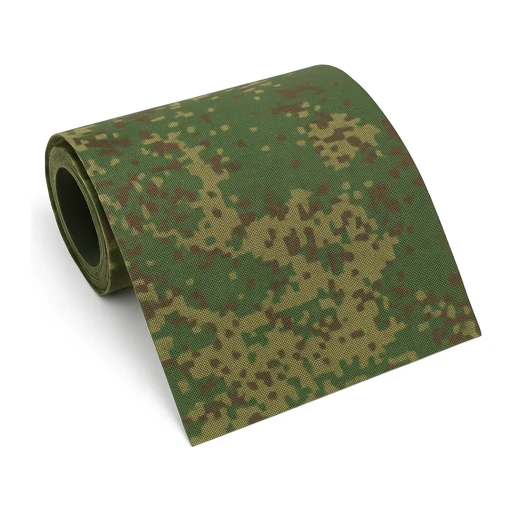
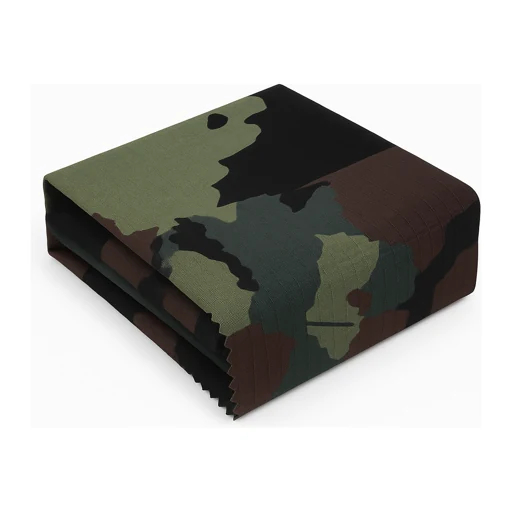
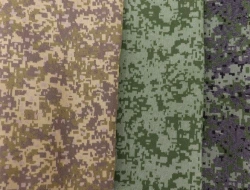
Camouflage Polyester Fabric with MVO Finish and Jacquard Pattern Art. 300436
сом 156.60-835.20
UZOR OJSC 🇷🇺
FAQ
•What proof of flame resistance comes with the fabric?
Mills supply test reports under GOST methods showing afterflame time, char length and resistance after repeated washing, plus conformity documentation for the EAEU market. If your buyer specifies international norms such as ISO 11612 parameters, ask the mill which articles have comparable test data and arrange independent confirmation on shipment samples where the contract demands it.
•Is the flame retardancy permanent or does it wash out?
Both types exist in this catalog. Treated cotton articles carry an impregnation rated for a stated number of industrial washes, after which protection degrades. Articles using inherently flame-resistant fibers keep their properties for the garment's life. The mill's data sheet states which technology is used - check it against your washing regime before choosing.
•Can I import camouflage fabric into my country?
The fabrics are sold as commercial textile goods, but several countries restrict the import or civilian use of camouflage patterns, particularly those resembling local military uniforms. This is a buyer-side question: check your customs and interior-ministry rules before ordering. Hunting-oriented patterns usually face fewer restrictions than military-style ones.
•What minimums apply for these specialized articles?
Because protective fabrics are woven and finished in controlled batches, minimums are higher than for ordinary cloth: typically 500-1,000 meters per article and color for production runs. Stocked positions sell from one roll. Sample cuts of several meters are available for testing, and most mills will sew-test cooperation with a trial roll.
•Do antistatic fabrics need special handling in garment production?
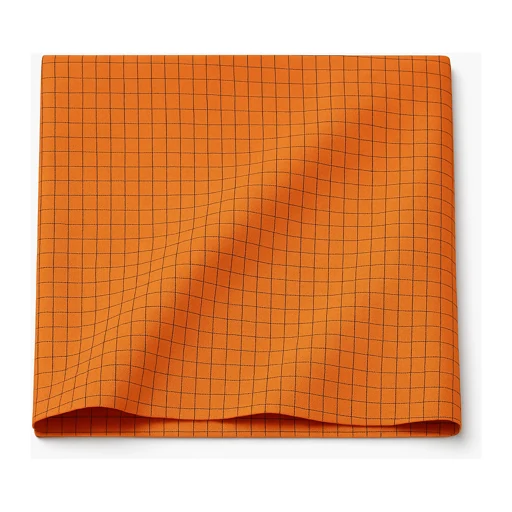
Sewing is conventional, but the protective logic must be preserved: use the mill's guidance on thread, seam construction and grounding accessories so the conductive grid stays continuous across the garment. The fabric data sheet states surface resistance; your finished garments may need their own conformity assessment depending on the destination market's rules for explosive atmospheres.