

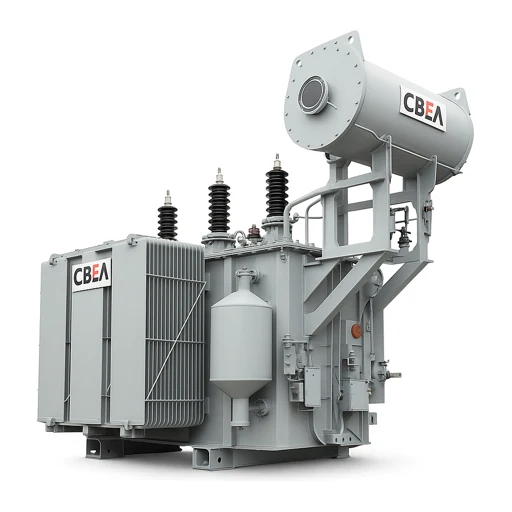
محولات قدرة
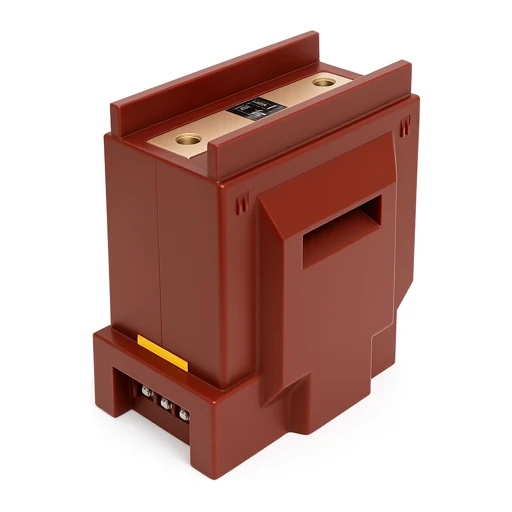
محولات تيار قياس
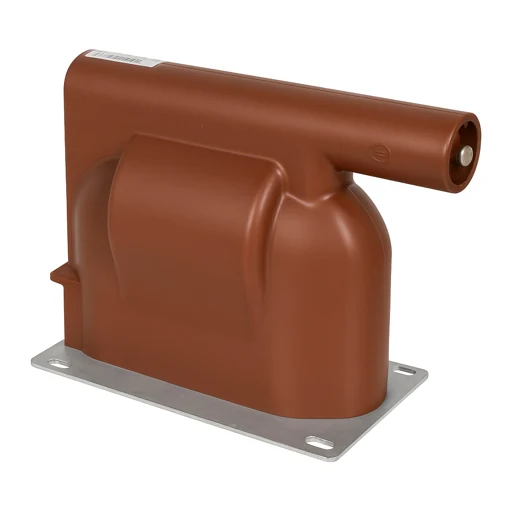
محولات جهد قياس
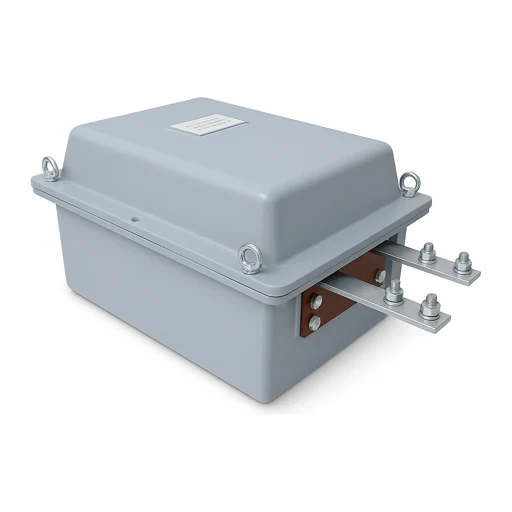
محولات خاصة وخانقات
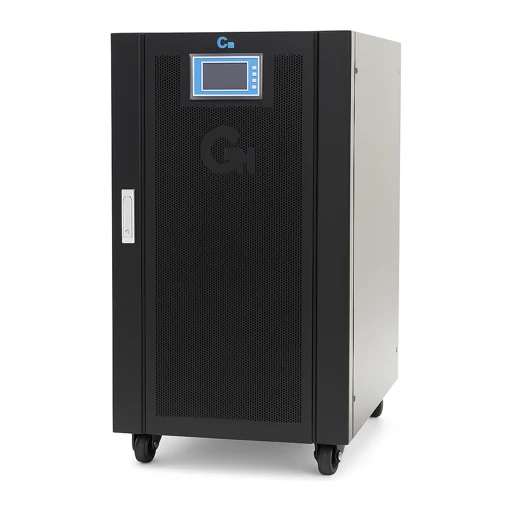
وحدات طاقة غير منقطعة UPS
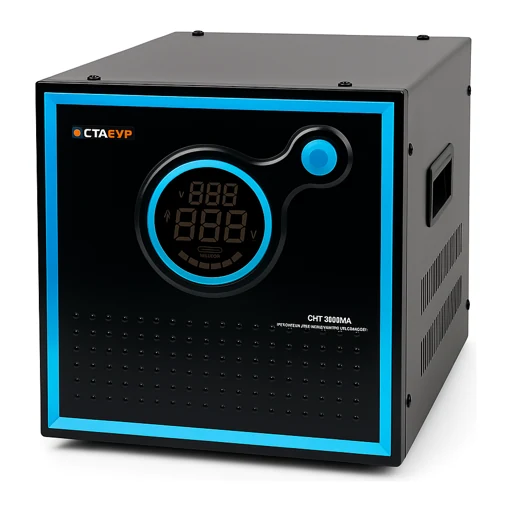
منظمات جهد
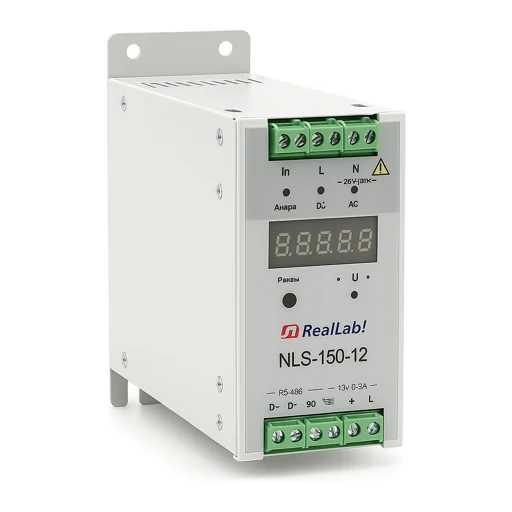
موردات طاقة ووحدات قدرة
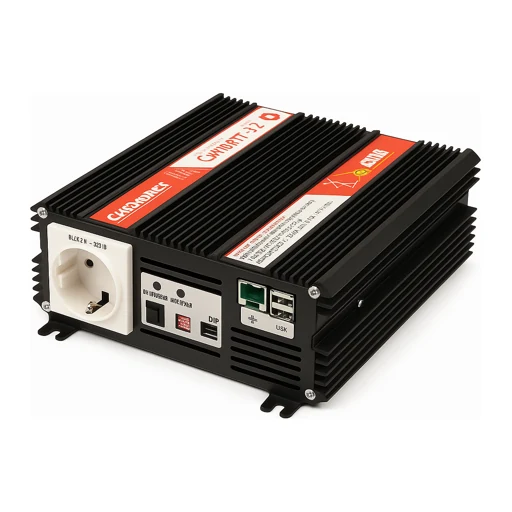
عاكسات ومقومات وشواحن بطاريات
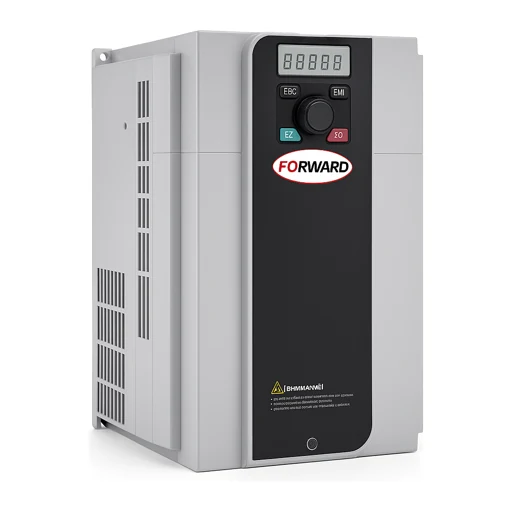
محولات تردد VFD
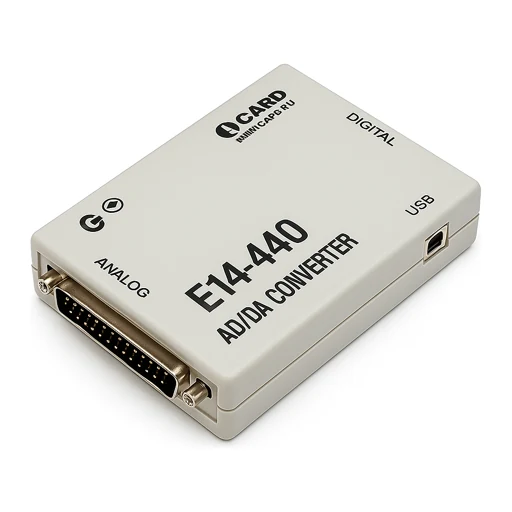
محولات قياس (تيار وجهد وقدرة)
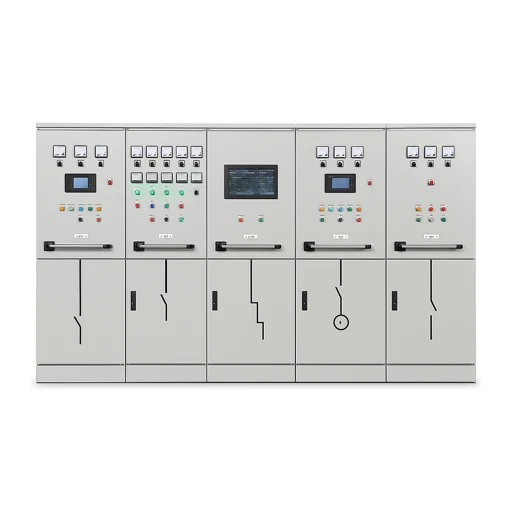
مفاتيح كهربائية ومعدات توزيع منخفضة الجهد
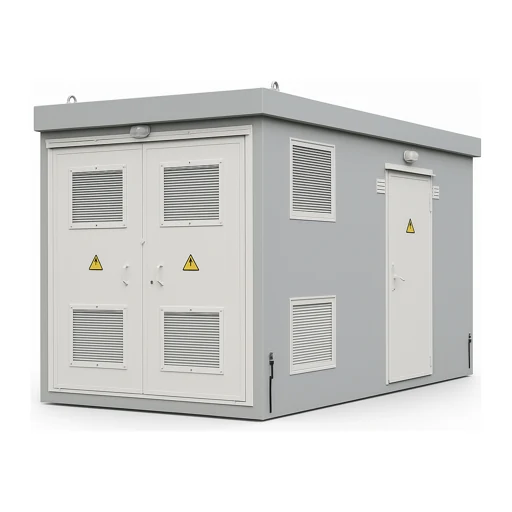
محطات تحويل مجمعة
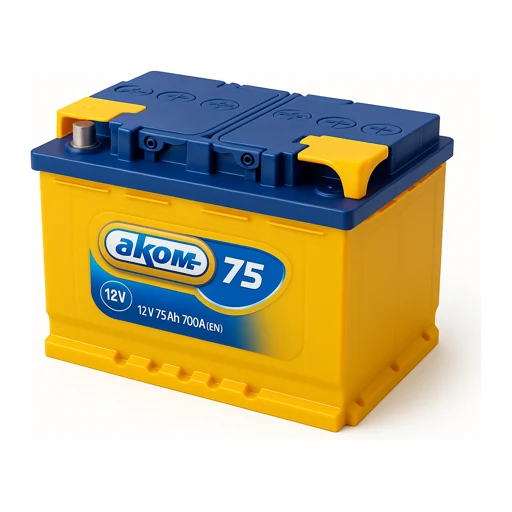
بطاريات تشغيل
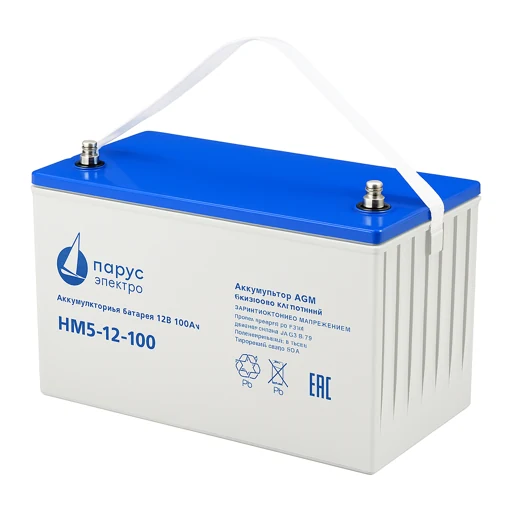
بطاريات ثابتة وأيون ليثيوم
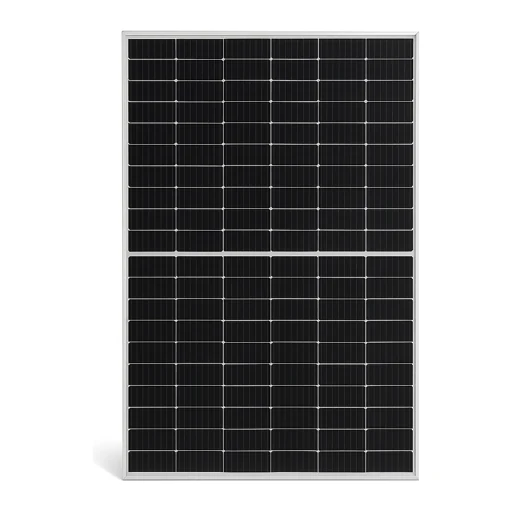
محطات طاقة شمسية وألواح كهروضوئية
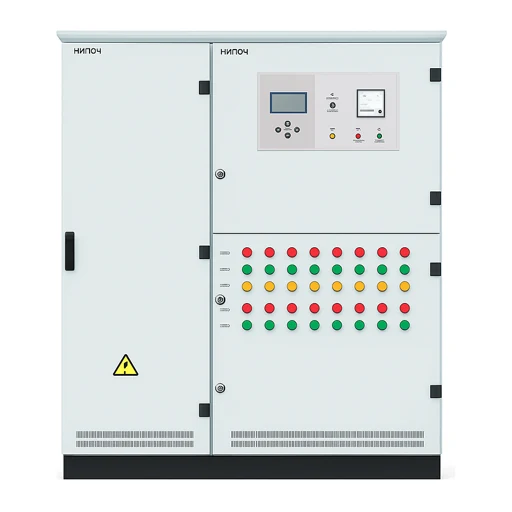
أنظمة طاقة وتيار مستمر احتياطي
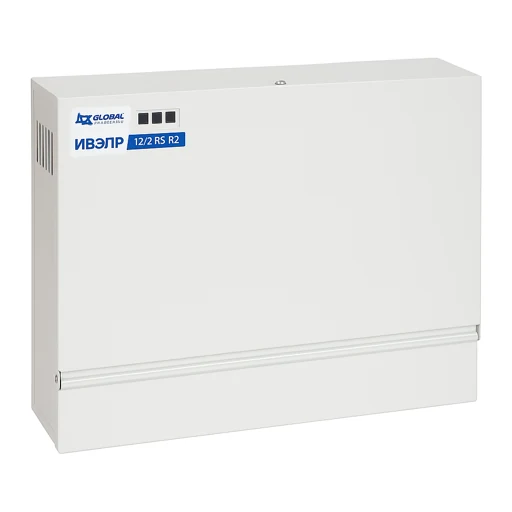
مصادر طاقة ثانوية احتياطية
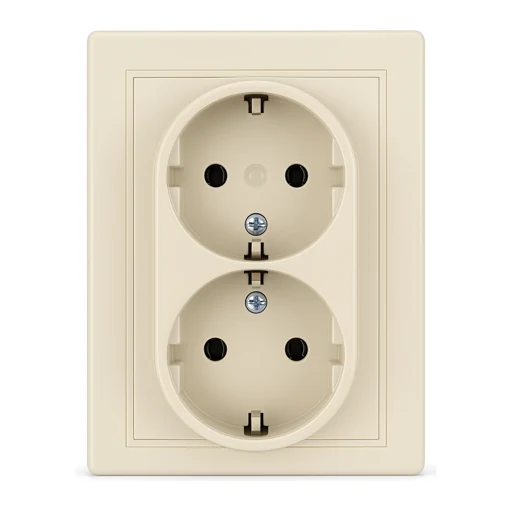
مقابس صناعية وأعمدة طاقة
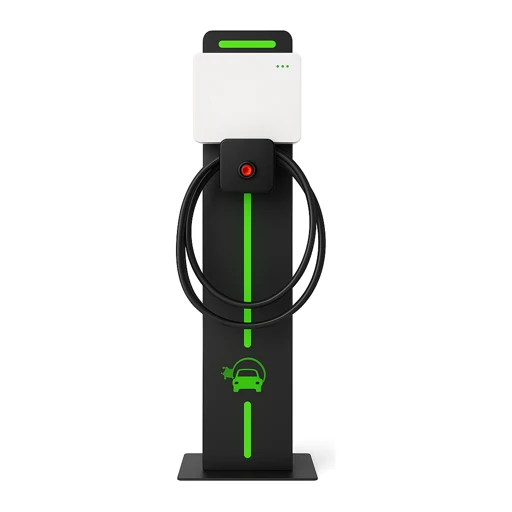
محطات شحن سيارات كهربائية
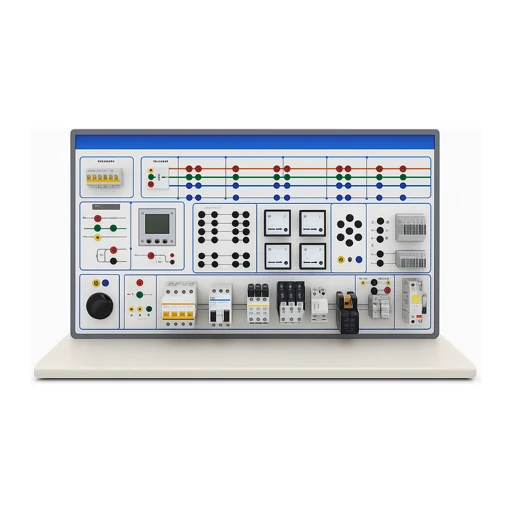
معدات توزيع طاقة أخرى
المنتجات — إمدادات الطاقة والتوزيع
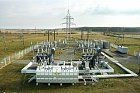
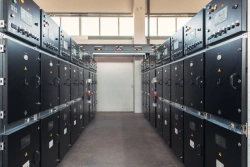
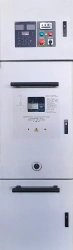
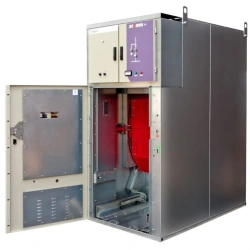
محطة تحويل متكاملة موديل س.إ.ش للجهد 35 - 110 ك ف
SAR 337,500-2,250,000
ش.م مجموعة "إلكترощيت" - ت.م سامارا 🇷🇺
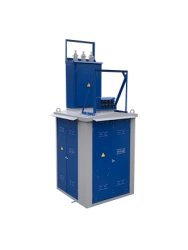
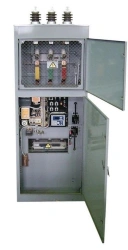
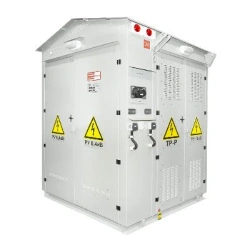
محطات التحويل الكاملة من نوع الكشك بقدرة 25-1000 كيلوفولت أمبير
SAR 33,750-450,000
ش.م إنيرغوميرا 🇷🇺
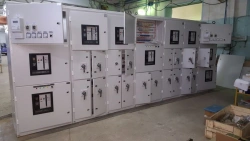
محطات تحويل كاملة التركيب (KTP و 2KTP) بقدرة من 250 إلى 2500 كيلوفولت أمبير 6/10 كيلوفولت
SAR 33,750-225,000
ش.م أوزيمي 🇷🇺
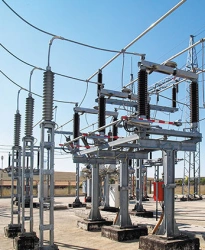
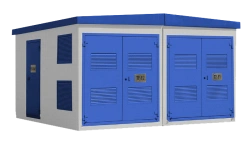
المحطات التحويلية الكاملة للإعداد في الهواء الطلق - النوع تكنو BKT PB 6, 10, 20/0.4 kV
SAR 33,750-225,000
ش.ذ.م.م إليكتروأوبتيما 🇷🇺
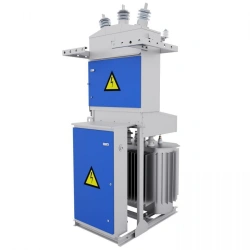
محطات تحويل مكتملة من نوع KTPM، 25-250 كيلوفولت أمبير، 6(10)/0.4 كيلوفولت
SAR 18,000-112,500
ش.ذ.م.م "220 فولت 🇷🇺
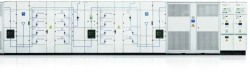
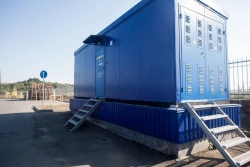
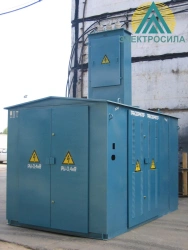
محطة تحويل كاملة من 1.25 إلى 3200 ك ف أ حتى 10 ك ف
SAR 33,750-675,000
ش.ذ.م.م مصنع تشزإ "إلكترسيلا 🇷🇺
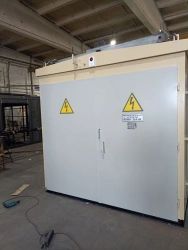
محطات التحويل الكاملة KTPN نوع المرور 25-500 ك.ف.أ 6(10)/0.4 ك.ف
SAR 11,250-90,000
ش.ذ.م.م "220 فولت 🇷🇺
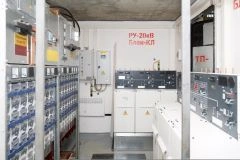
محطات التحويل الموزعة الكتلية BRTP 25-6300 كيلوفولت أمبير حتى 35 كيلوفولت
SAR 33,750-675,000
ش.ذ.م.م إپ-أ 🇷🇺
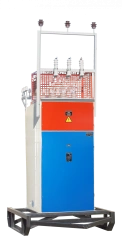
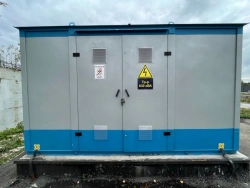
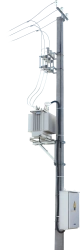
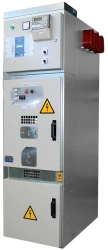
محطة تحويل شاملة لتحويل الطاقة بكفاءة 160-2500 كيلو واط
SAR 67,500-900,000
ش.ذ.م.م ن.ت.س "بريودنايا تيخنيكا 🇷🇺
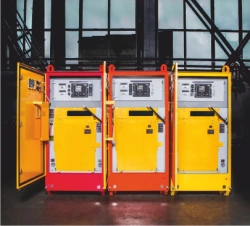
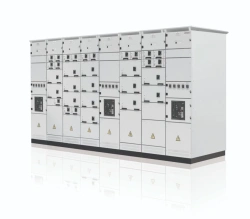
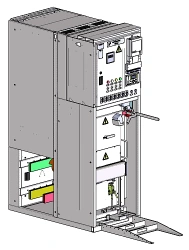
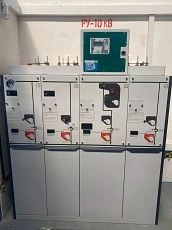
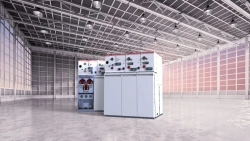
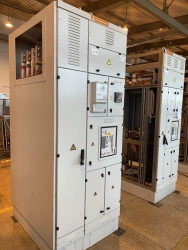
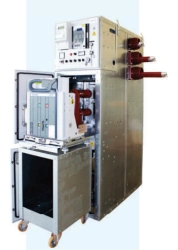
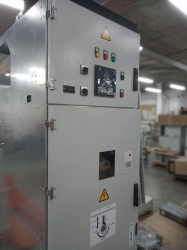
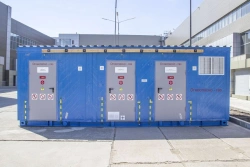
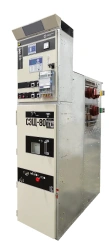
نظام الطاقة الكتلي المركب BKES-200 حتى 375 كيلوفولت أمبير
SAR 56,250-180,000
ش.ذ.م.م ن.ب.و "تشستايا إنيرجيا 🇷🇺
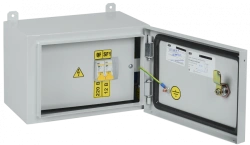
MTT12-012-0251-54 محول جهد 220/380 فولت إلى 12 فولت، 24 فولت، 36 فولت، 42 فولت IP54 IEK
SAR 135-450
ش.ذ.م.م إيك القابضة 🇷🇺
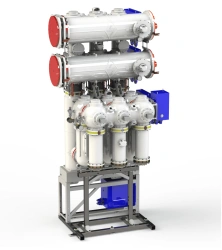
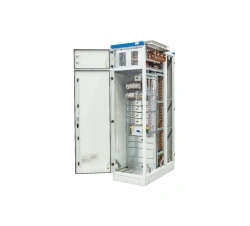
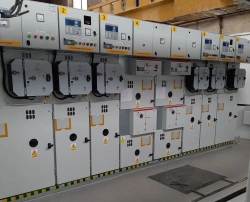
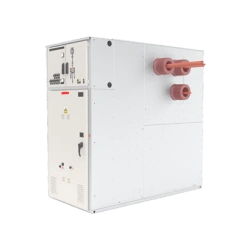
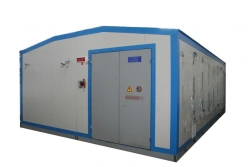
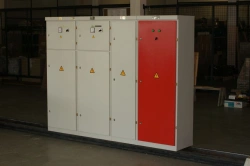

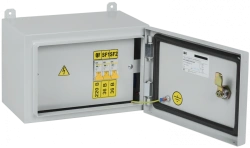
محول جهد متردد إلى مستمر MTT13-036-0251-54 ي تي بي-0.25 230/36-3 UHL2 IP54 IEK
SAR 101.25-315
ش.ذ.م.م إيك القابضة 🇷🇺
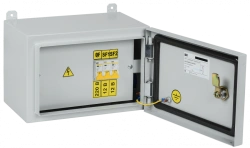
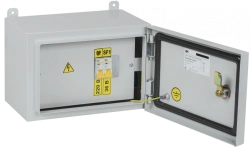
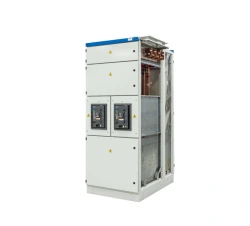
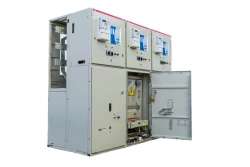
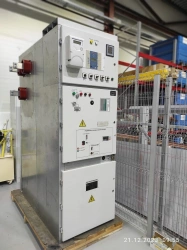
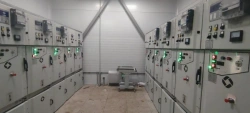
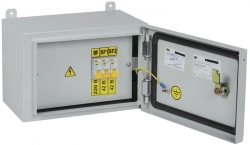
MTT13-042-0251-54 محول تيار متردد إلى مستمر 12V/24V/36V/42V IP54 IEK
SAR 157.50-562.50
ش.ذ.م.م إيك القابضة 🇷🇺
الأسئلة الشائعة
•Can distribution transformers be built for my national grid parameters?
Yes. Plants wind to your primary and secondary voltages, vector group, tap range and frequency, and apply the cooling and climatic execution your site needs. Provide the network one-line data and ambient conditions; the factory returns a technical proposal with losses, impedance and dimensions for approval before production, which typically takes 8–16 weeks.
•What testing documentation accompanies a transformer?
Every unit passes routine tests — winding resistance, ratio, insulation, applied and induced voltage, losses — documented in a protocol shipped with the transformer. Type test reports for the design are available for tender files. Utility buyers can witness factory acceptance in person or by video link, which suppliers arrange routinely.
•How are lithium batteries and UPS systems shipped internationally?
Lithium-ion batteries travel as Class 9 dangerous goods: UN-certified packaging, state-of-charge limits and dangerous goods declarations, which suppliers prepare. Sea freight is the standard mode; air carries tighter restrictions. Lead-acid and VRLA batteries ship with simpler paperwork. Factor 1–2 extra weeks for DG documentation on first orders.
•Do UPS suppliers help size the system for my facility?
Yes — send the load list, required autonomy and site temperature, and the supplier proposes UPS rating, battery configuration and ventilation requirements. For data-centre and telecom projects, redundancy schemes and monitoring integration are specified at this stage. Sizing calculations are part of the quotation, not a paid extra.
•Is commissioning support available for packaged substations?
Packaged substations ship factory-assembled and tested, with installation and earthing drawings. Supervised commissioning by a factory engineer is a contract option many utility buyers take for the first units, then handle subsequent ones with their own crews. Remote support and spare-parts kits are agreed in the supply contract.
•What payment structure is usual for large electrical equipment?
Typical terms are 30–50 percent advance with the balance before shipment by bank transfer; letters of credit are workable with larger plants if banking channels are agreed early. For framework utility contracts, milestone payments tied to factory acceptance tests are common practice.