

المنتجات — معدات الحماية الشخصية
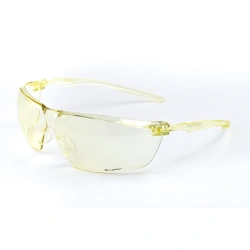
نظارات واقية مفتوحة O88 SURGUT سوبر 18841-5
SAR 4.50-22.50
ش.م مصنع سوكسونسك للأجهزة البصرية والميكانيكية 🇷🇺
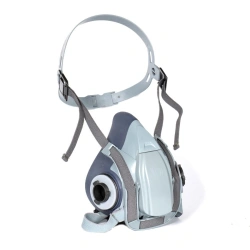
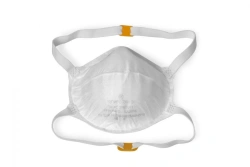
ماسك نصف فلتر للحماية من الهباء الجوي "جهاز التنفس SPIRO-301 E" FFP1 R D
SAR 1.13-6.75
ش.م مصنع كيمرسكايا إيم. غوركوفا 🇷🇺
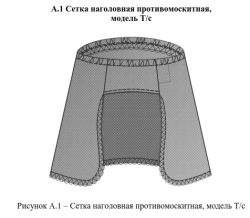
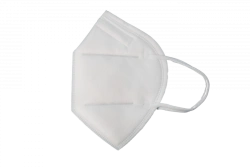
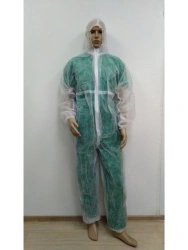
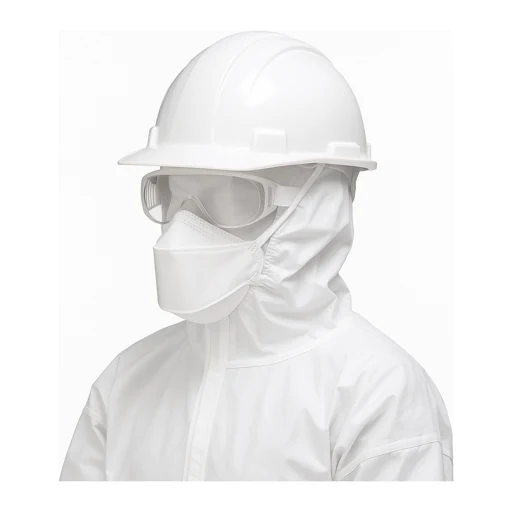
ملابس طبية غير معقمة للاستعمال لمرة واحدة "بلسبتسستيل" بدلة واقية، كثافة 40 غ/م²
SAR 0.56-3.38
ش.ذ.م.م بيلسبيتستيل 🇷🇺
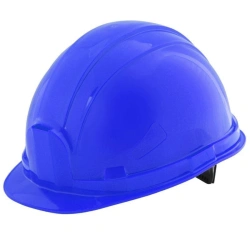
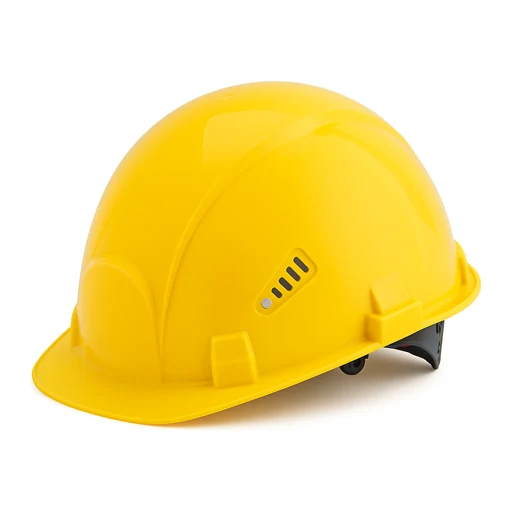
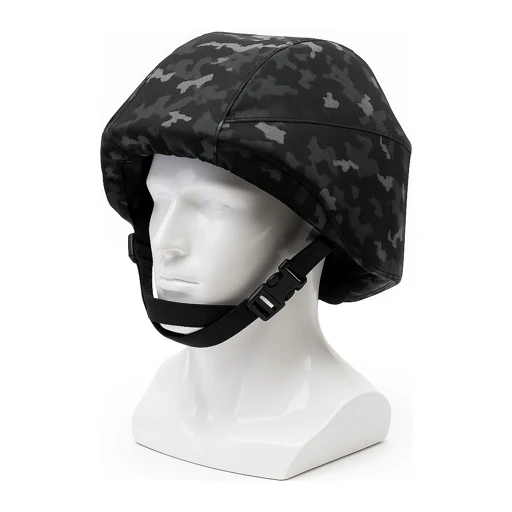
خوذة واقية سومي ز-55 هامر تيرمو RAPID زرقاء، رقم 74718
SAR 33.75-112.50
ش.م مصنع سوكسونسك للأجهزة البصرية والميكانيكية 🇷🇺
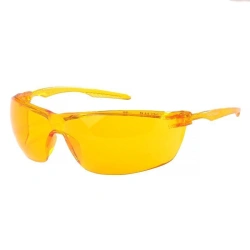
نظارات واقية عصرية مفتوحة O88 SURGUT Super، رقم المقال 18820
SAR 5.63-22.50
ش.م مصنع سوكسونسك للأجهزة البصرية والميكانيكية 🇷🇺
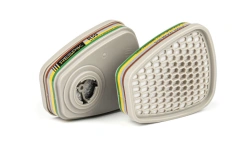
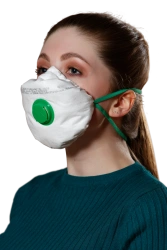
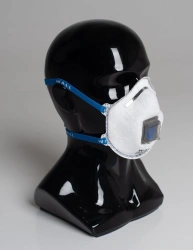
قناع نصف مُرشح للحماية من الهباء الجوي مع حماية إضافية من الأبخرة والغازات "ليبيستوك - 40AB SB كلاس" FFP2 R
SAR 3.38-13.50
ش.م مصنع كيمرسكايا إيم. غوركوفا 🇷🇺
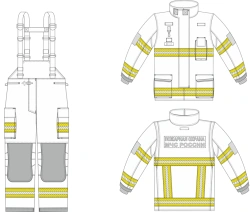
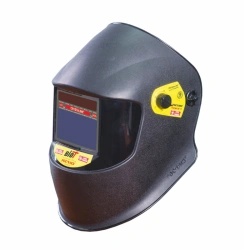
درع الوجه الواقي لللحامين CRYSTALINE® STANDART BIOT® 57585
SAR 78.75-247.50
ش.م مصنع سوكسونسك للأجهزة البصرية والميكانيكية 🇷🇺
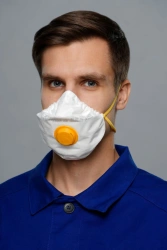
قناع نصف فلاتر للحماية من الرذاذ "ليبيستوك-5 فئة" FFP1 NR D
SAR 0.56-2.25
ش.م مصنع كيمرسكايا إيم. غوركوفا 🇷🇺
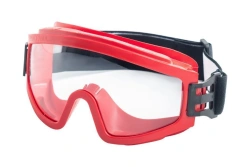
نظارات واقية مغلقة ZNG1 SUPER PANORAMA، المادة 22107
SAR 5.63-22.50
ش.م مصنع سوكسونسك للأجهزة البصرية والميكانيكية 🇷🇺
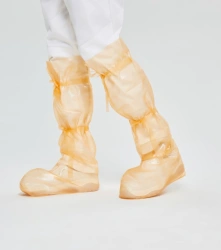
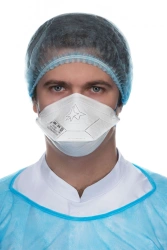
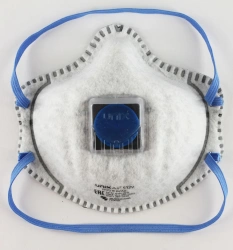
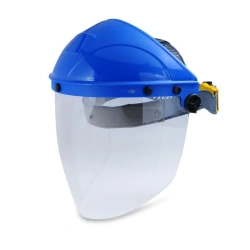
درع الوجه الواقي NBT2 Sphere VISION، مقال 425540
SAR 11.25-67.50
ش.م مصنع سوكسونسك للأجهزة البصرية والميكانيكية 🇷🇺
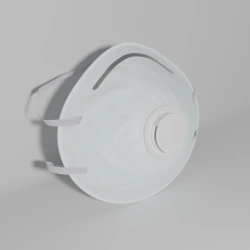
جهاز تنفس UFR لحماية الجهاز التنفسي من الغبار والرذاذ، نموذج UFR 011 V
SAR 0.45-2.25
ش.ذ.م.م يو إف آر 🇷🇺
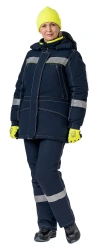
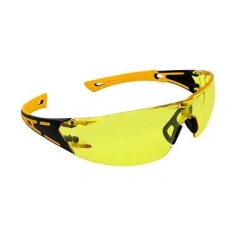
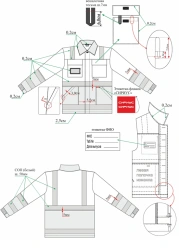
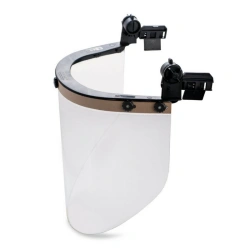
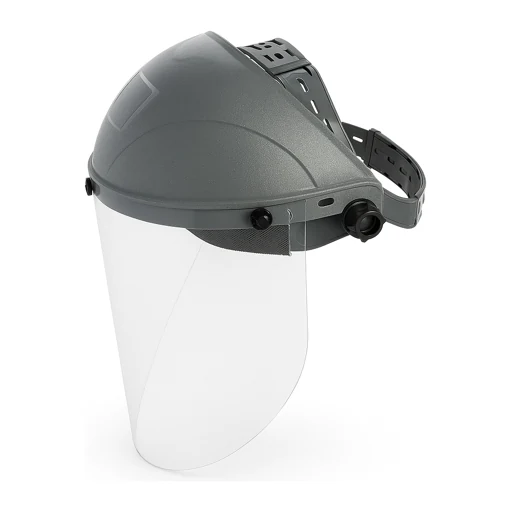
درع الوجه الواقي مع تركيب على الخوذة KBT SUPER VISION® 04397
SAR 11.25-67.50
ش.م مصنع سوكسونسك للأجهزة البصرية والميكانيكية 🇷🇺
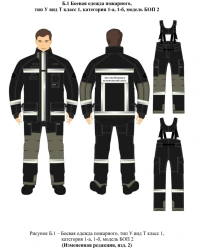
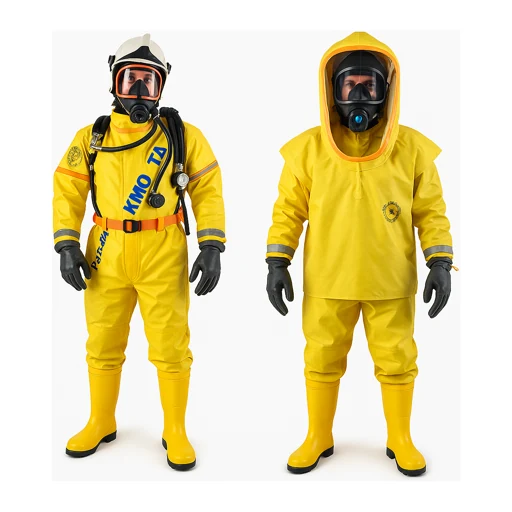
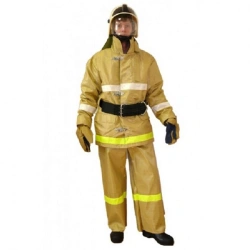
ملابس الحماية الخاصة بال firefighters نوع U نموذج بوب 2
SAR 1,125-3,600
ش.م مجموعة إنيرغوكونتراكت 🇷🇺
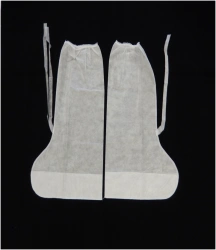
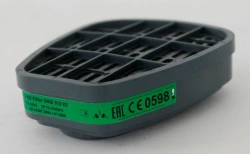
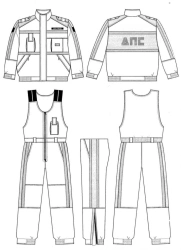
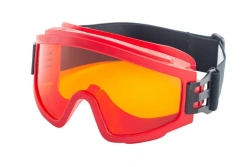
نظارات واقية مغلقة PANORAMA ZN11، رقم 21112
SAR 5.63-22.50
ش.م مصنع سوكسونسك للأجهزة البصرية والميكانيكية 🇷🇺
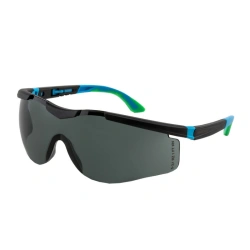
نظارات أمان خفيفة قابلة للتعديل O87 ARCTIC Strong Glass™، موديل 18727
SAR 6.75-27
ش.م مصنع سوكسونسك للأجهزة البصرية والميكانيكية 🇷🇺
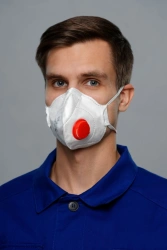
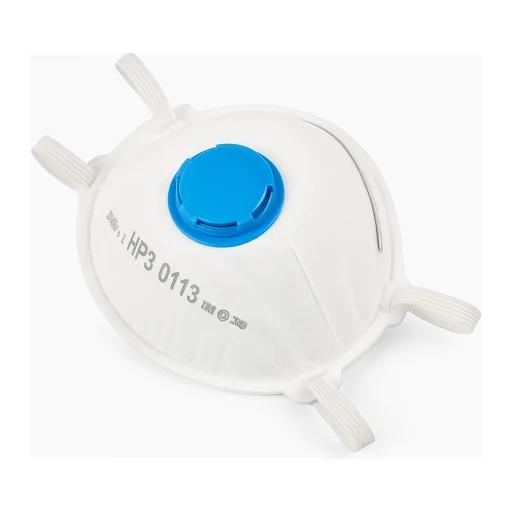
قناع نصفى واقٍ من الهباء الجوي "سبيرو-213" FFP3 NR D
SAR 3.38-13.50
ش.م مصنع كيمرسكايا إيم. غوركوفا 🇷🇺
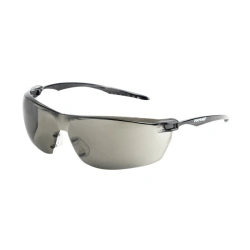
نظارات واقية مفتوحة O88 SURGUT StrongGlass، رقم المقال 18855-5
SAR 6.75-27
ش.م مصنع سوكسونسك للأجهزة البصرية والميكانيكية 🇷🇺

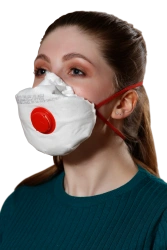
قناع نصفى فلتر لحماية من الهباء الجوي مع حماية إضافية من الغازات والبخار "ليبيستوك-200AE SB كلاس" FFP3
SAR 5.63-18
ش.م مصنع كيمرسكايا إيم. غوركوفا 🇷🇺
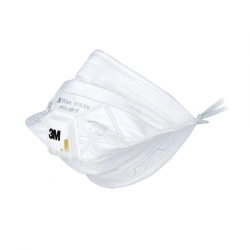
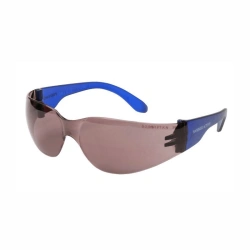
نظارات واقية مفتوحة O15 HAMMER ACTIVE StrongGlass، الرقم 11501
SAR 5.63-22.50
ش.م مصنع سوكسونسك للأجهزة البصرية والميكانيكية 🇷🇺
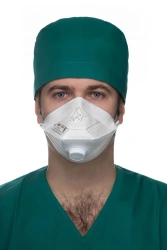
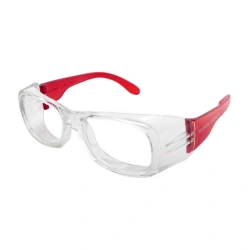
نظارات واقية مفتوحة بتأثير تصحيحي O8 HAMMER دقة قياسية، رقم 10819
SAR 11.25-67.50
ش.م مصنع سوكسونسك للأجهزة البصرية والميكانيكية 🇷🇺
الأسئلة الشائعة
•How do Russian respirator filtration classes map to FFP and N-series ratings?
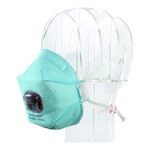
Russian filtering half masks are tested under TR CU 019 using methods aligned with European EN 149; protection classes correspond to the FFP1/FFP2/FFP3 logic, and documentation states penetration and breathing-resistance figures you can compare directly. If your tender specifies EN 149 or NIOSH wording explicitly, ask the factory which models carry additional international certificates.
•Can workwear be adapted for hot climates and our corporate identity?
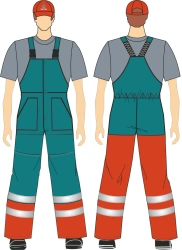
Yes — factories routinely produce lightweight breathable variants of standard workwear lines for hot regions, and customization covers your corporate colors, logos, reflective tape layout and local size charts. Sampling takes 2–4 weeks. Minimums for customized garments typically start around 100–300 sets per model; stock designs ship without minimum adaptation runs.
•What does a typical first order look like for a PPE distributor?
A common pattern: a trial carton order across 10–20 SKUs by air or parcel service, then a mixed pallet or part-container combining respirators, glasses, helmets and gloves from one or two factories. A 20-foot container of mixed PPE typically covers a regional distributor's quarter. Suppliers consolidate shipments and prepare unified export documents.
•Are shelf lives a concern for respirators and dielectric gear?
Filtering respirators and gas-mask filters typically carry 3–5 year shelf lives from production date — confirm remaining shelf life in the contract so you receive fresh stock. Dielectric gloves and boots require periodic electrical retesting per their manuals once in service. Helmets and glasses have service-life guidance printed in their passports.
•How are batch quality and consistency controlled for repeat orders?
Each production batch carries test protocols — filtration efficiency for respirators, impact tests for helmets and eyewear, seam strength for garments. For ongoing supply, agree a sampling inspection plan: factories accept third-party inspection (SGS-type) before shipment at buyer expense, which is the standard reassurance mechanism for distributors building a brand on these products.
•What are realistic production lead times at container scale?
Stock items ship within 1–2 weeks. Production runs of standard models typically need 25–45 days at container volume; customized workwear adds sampling time upfront. Sea freight to the Gulf or East Africa adds 4–7 weeks from Novorossiysk; Central Asian buyers receive trucks overland in 1–3 weeks, which suits replenishment cycles well.