

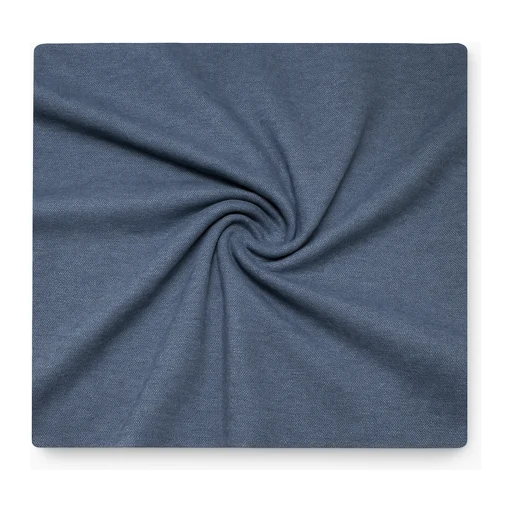
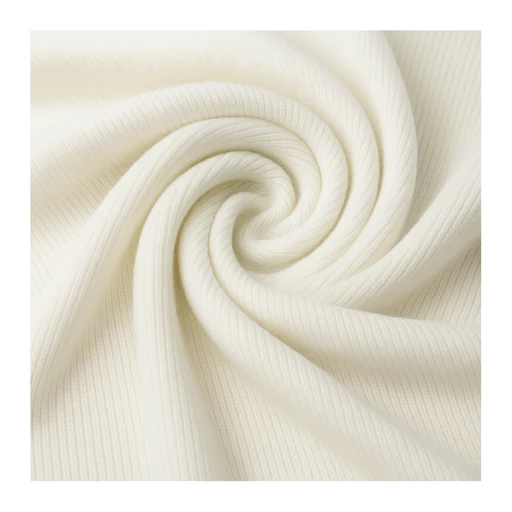
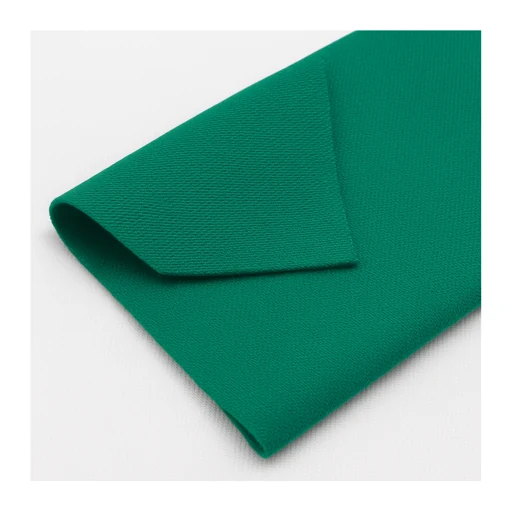
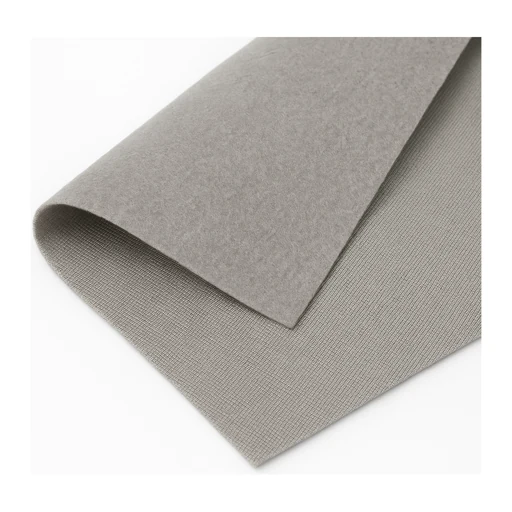
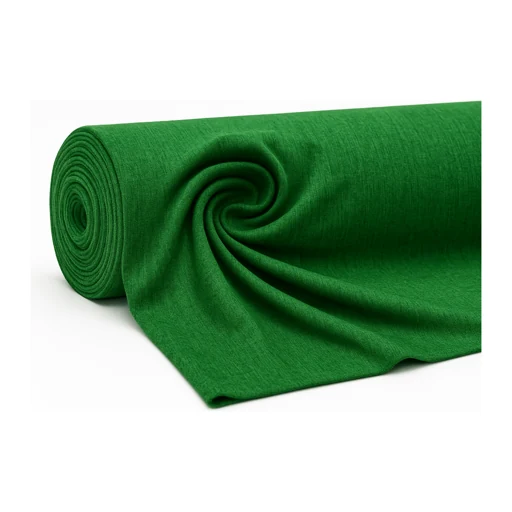
Тауарлар — Трикотаж полотнолары
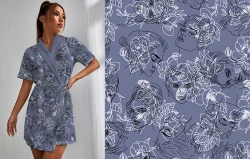
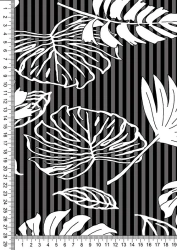
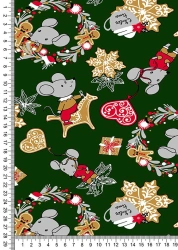
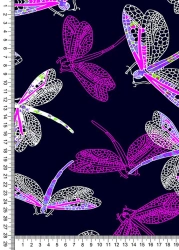
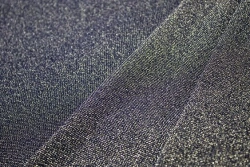
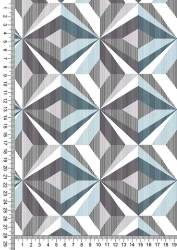
Synthetic Knitted Fabric (100% PE) Jacquard Pattern, Double-layer for Garments
₸855-4,560
MIRTEX LLC 🇷🇺
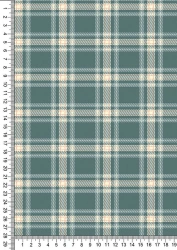
Mixed Knit Fabric (Cotton 80%, Polyester 20%) Single-Faced Interlock for Clothing
₸855-3,420
MIRTEX LLC 🇷🇺
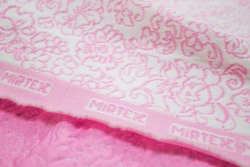
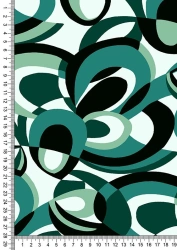
Synthetic Knitted Fabric 70% Viscose 30% Polyester, Jacquard Pattern, Double Layer, Horizontal Weft
₸855-4,560
MIRTEX LLC 🇷🇺
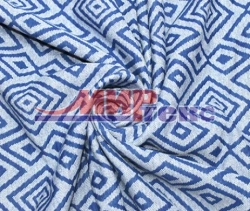
Mixed Knitted Fabric (Cotton 70%, Polyester 30%) Jacquard Patterned for Garments
₸855-3,420
MIRTEX LLC 🇷🇺
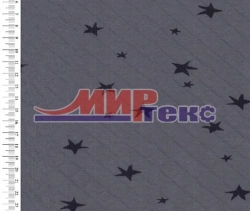
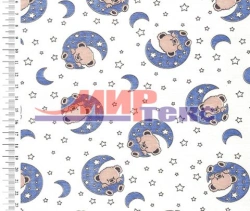
Synthetic Knitted Fabric (100% PE) Printed Jacquard, Double Layer with Horizontal Weft
₸712.50-2,850
MIRTEX LLC 🇷🇺
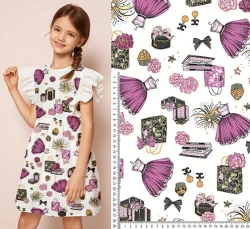
Mixed Knit Fabric (95% Cotton, 5% PU) Printed, Single-Faced Fleece for Knitwear
₸997.50-3,990
MIRTEX LLC 🇷🇺
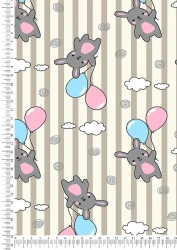
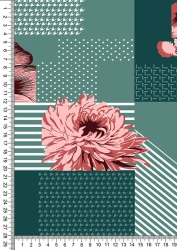
Mixed Knitted Fabric (Cotton 50%, Polyester 50%) Printed Single Fleece for Knitting
₸712.50-2,850
MIRTEX LLC 🇷🇺
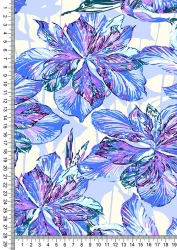
Mixed Knitted Fabric (Cotton 65%, Polyester 35%) Single-Faced Fleece for Knitwear
₸855-3,420
MIRTEX LLC 🇷🇺
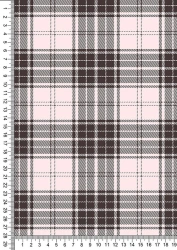
Mixed Knit Fabric for Adult and Children's Clothing (HL-67%, PE-28%, PU-5%)
₸855-3,420
MIRTEX LLC 🇷🇺
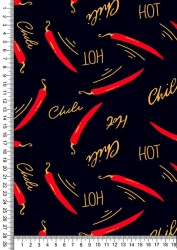
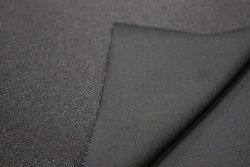
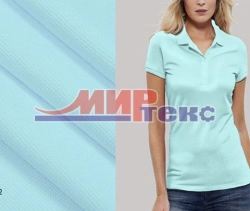
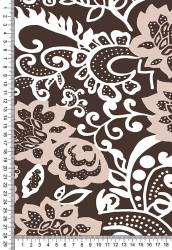
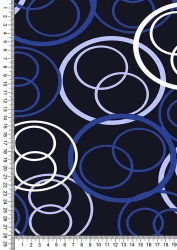
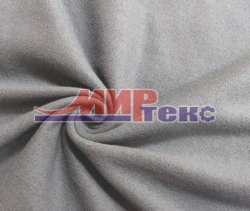
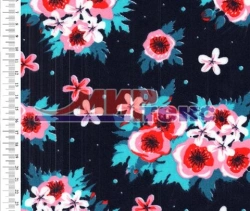
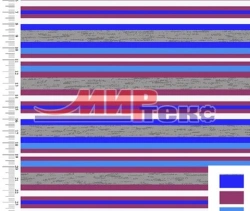
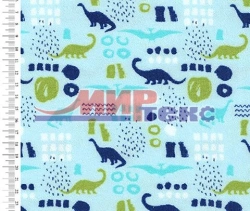
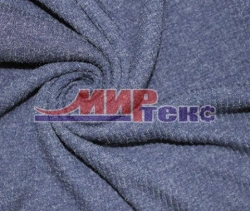
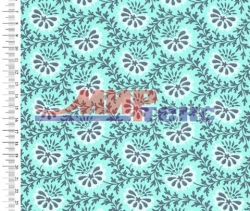
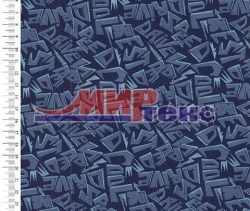
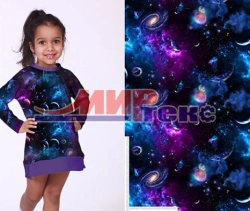
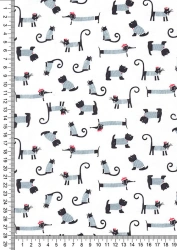
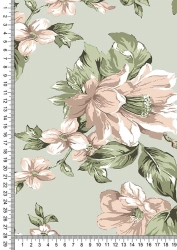
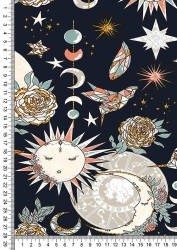
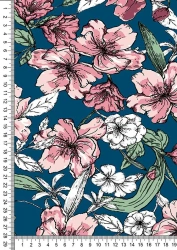

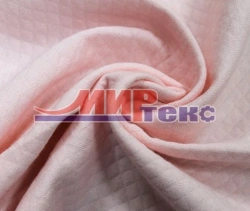
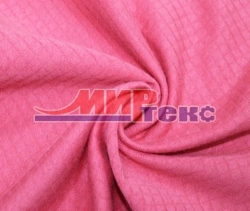
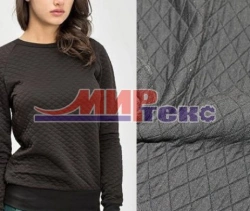
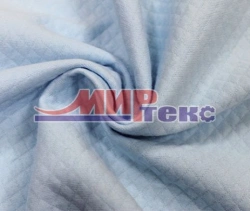
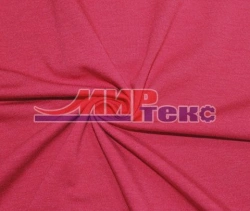
Smooth Mixed Knitted Fabric (Cotton 95%, PU 5%) Single-Faced for Garment Production
₸712.50-2,850
MIRTEX LLC 🇷🇺
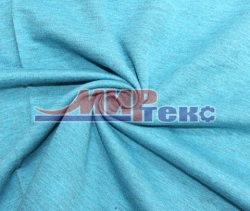
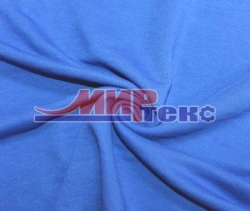
Mixed Knitted Fabric (50% Cotton, 50% Polyester) Single-Faced Fleece for Garment Making
₸855-3,420
MIRTEX LLC 🇷🇺
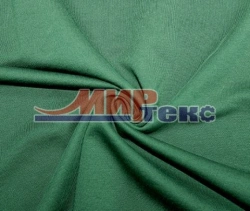
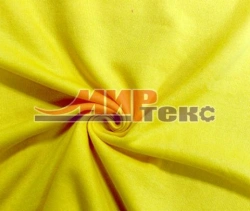
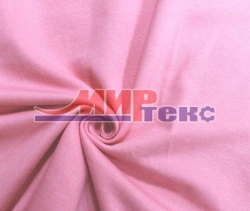
Smooth Dyed Mixed Knit Fabric (Cotton 78%, Polyester 18%, PU 4%) for Garment Sewing
₸712.50-2,850
MIRTEX LLC 🇷🇺
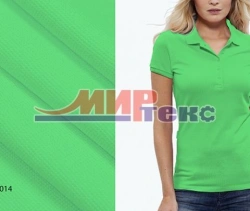
Smooth Dyed Mixed Knit Fabric (50% Cotton, 50% Polyester) Regular Pressed Fango
₸712.50-2,850
MIRTEX LLC 🇷🇺
FAQ
•What are typical roll parameters and how do I calculate shipping volume?
Knitted fabric usually ships in rolls of 15-25 kg, with open width around 180 cm or tubular widths of 90-100 cm depending on the article. Mills state weight per linear meter, so tonnage converts directly to meters. A 20-foot container carries roughly 9-12 tons of rolled knits; your supplier will provide exact packing data for the loading plan.
•Can the mill dye fabric to my Pantone shades?
Yes, dye-to-order is standard. You send a Pantone reference or physical swatch, the mill produces a lab dip for approval, then dyes the batch. Minimums per shade typically run 200-500 kg. Approve lab dips under the light source your market uses, and keep an approved swatch on file for repeat orders.
•How do you handle shrinkage - my garments must hold their size after washing?
Ask whether the article is compacted or otherwise pre-shrunk, and request the declared residual shrinkage figures, which mills measure under GOST methods. Cotton knits without compacting can shrink noticeably, so factories either order compacted fabric or build shrinkage allowance into patterns. Test a sample roll through your own wash protocol before committing to volume.
•What is the minimum order for a first trial?
Stock-service mills sell trial quantities from one roll per article and color, around 20-25 kg. Production-to-order typically starts at 200-300 kg per color. A practical first step is a mixed trial order of several articles in stock shades to test sewing behavior, followed by a dyed-to-order program once specifications are settled.
•Are these knits suitable for childrenswear regulations in my country?
Cotton-rich knits in this section are produced largely for the children's segment and carry EAC conformity documentation under EAEU technical regulations covering products for children where applicable. For your own market, request the fiber composition and dye information from the mill and run any locally required tests on production samples - mills are accustomed to such requests.